



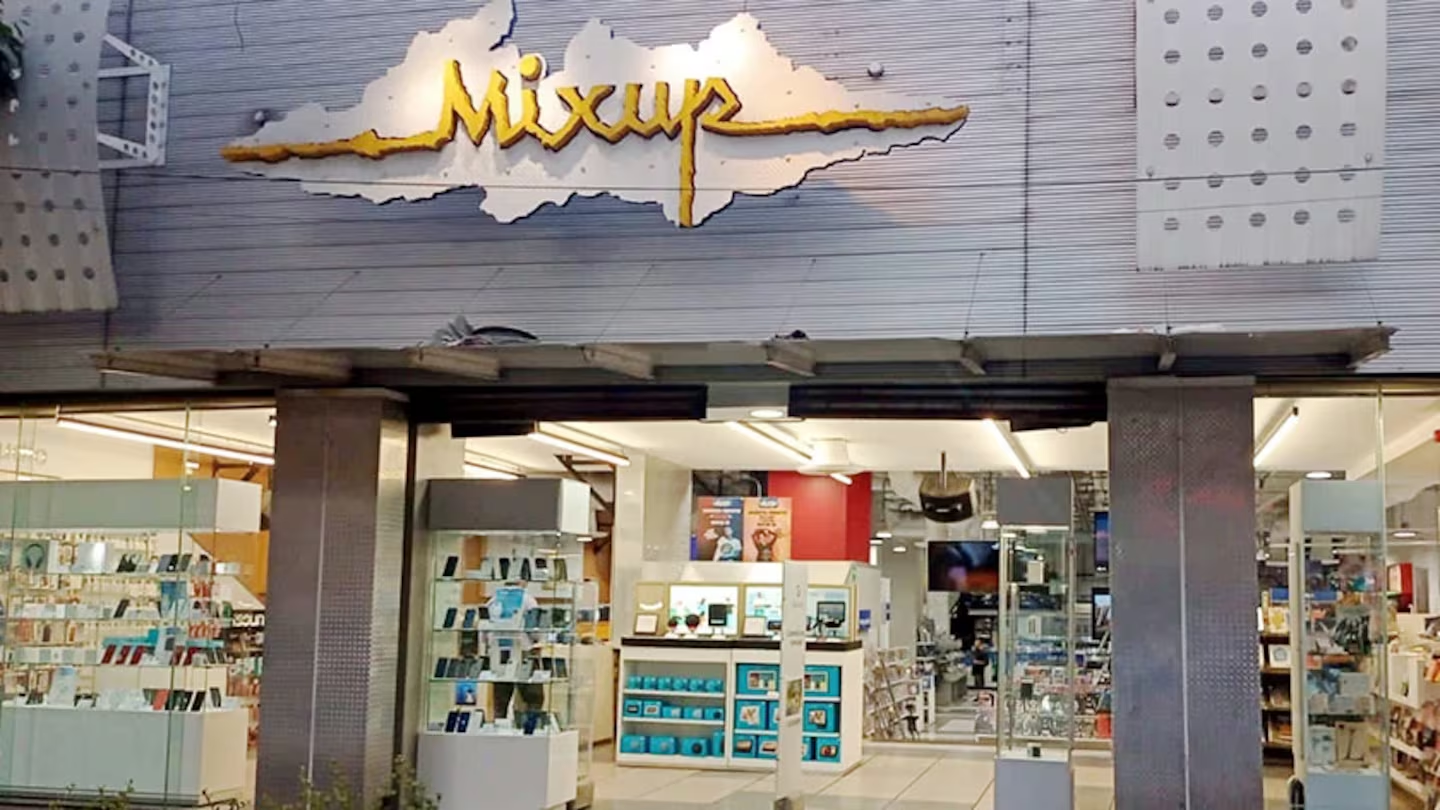
For years, buying metal albums at Mixup was, for thousands of Mexican consumers, supposed to be the exact opposite of piracy. While Mexico’s physical music market had long been associated with street bootlegs, burned CDs and questionable underground distribution, the retail chain managed to build an image of legitimacy that very few people inside the scene seriously questioned. Its stores operated inside major shopping malls, the albums were sold at premium prices and the shelves were filled with European metal releases that were otherwise difficult to find anywhere else in the country. For an entire generation of fans, paying more at Mixup meant believing they were buying genuine, officially licensed products distributed with the authorization of international record labels.
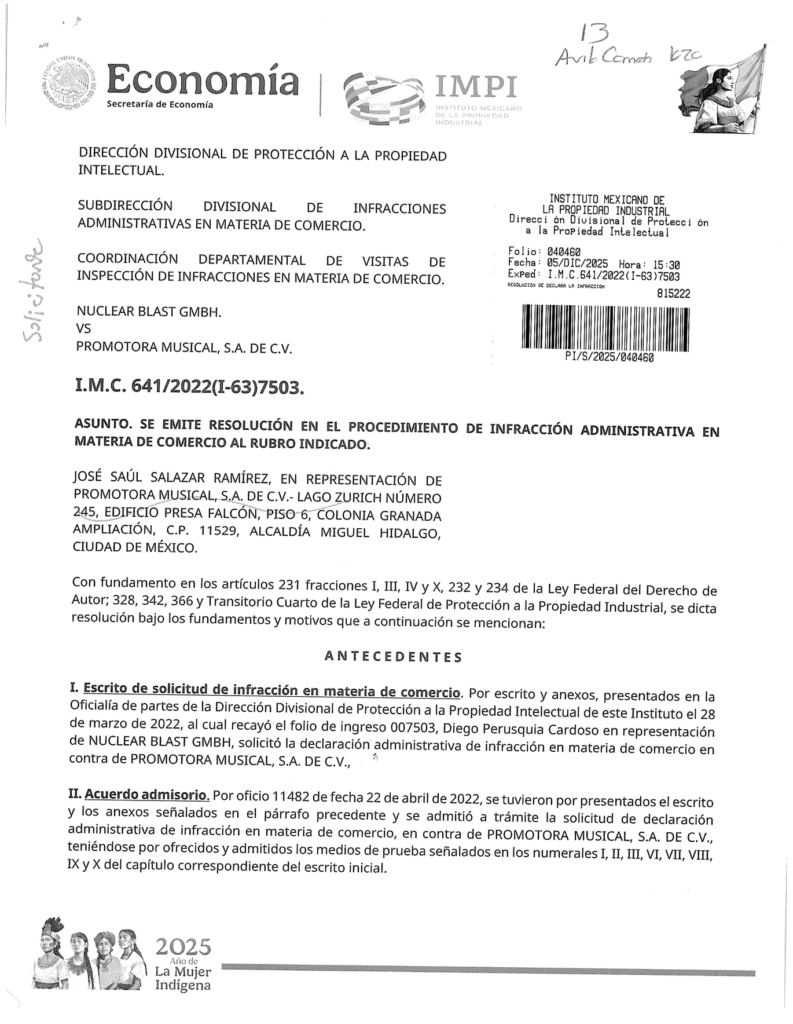
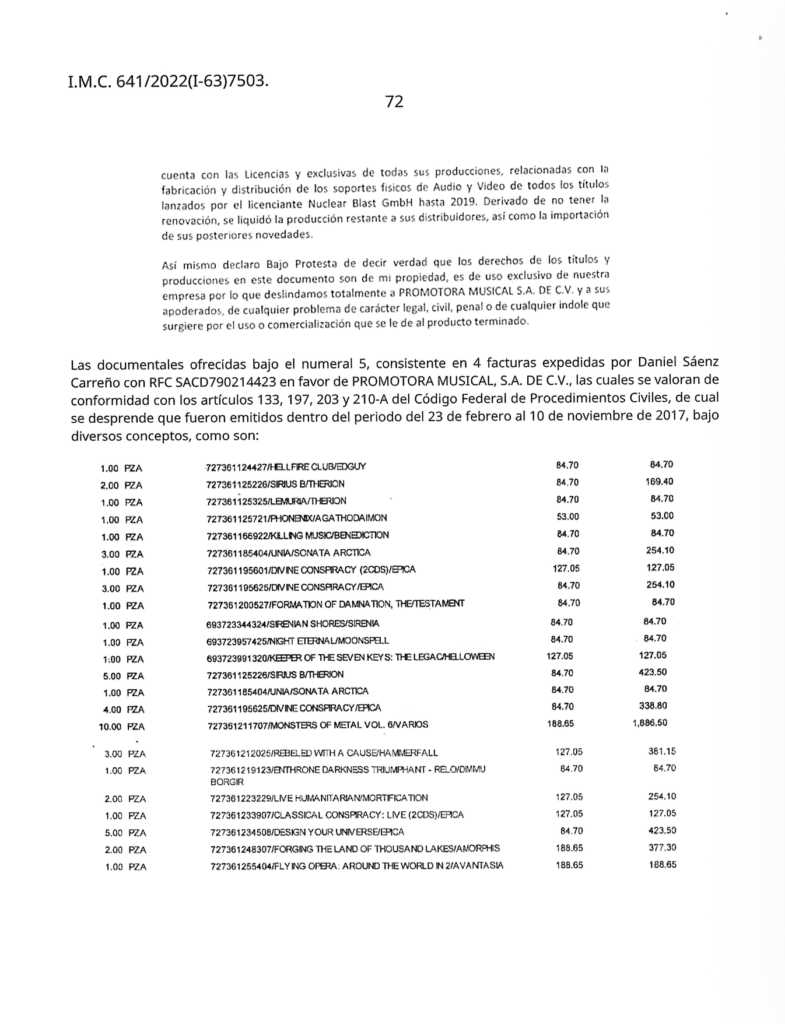
Case file P.C. 641/2022 from Mexico’s Industrial Property Institute (IMPI) describes a very different reality. The proceeding, initiated after a complaint filed by Nuclear Blast GmbH, documents how albums connected to the German label’s catalog were physically manufactured in Mexico and later commercialized inside Mixup stores using expired licenses or authorizations that, according to Nuclear Blast, were no longer valid. The case is not centered around “grey market” European imports or independent distributors bringing records from overseas. What appears throughout the file is a national manufacturing and distribution structure linked to Scarecrow Records, a company historically associated with distributing extreme metal and European releases within the Mexican market.
What makes the case particularly significant is that the albums looked completely legitimate. The products featured industrial-quality printing, professional packaging, catalog codes, booklets and finishes virtually identical to official international editions. Average consumers had no realistic way of distinguishing them from authentic imported releases because visually they looked exactly the same. However, information reviewed by Summa Inferno indicates that those albums were being manufactured in Mexico using masters, artwork and documentation derived from previous agreements connected to Nuclear Blast. The products were later placed into the Mexican retail system through consignment and local distribution agreements that ultimately brought them directly into Mixup stores.
The central issue was never the physical quality of the products, but the authorization used to manufacture and commercialize them. According to Nuclear Blast’s position before Mexican authorities, the licenses being used to continue commercially exploiting those phonograms were either no longer valid or did not provide authorization to continue producing and distributing those releases inside Mexico. Despite that, the albums continued appearing on Mixup shelves under the exact same appearance of legitimacy as fully authorized international products.
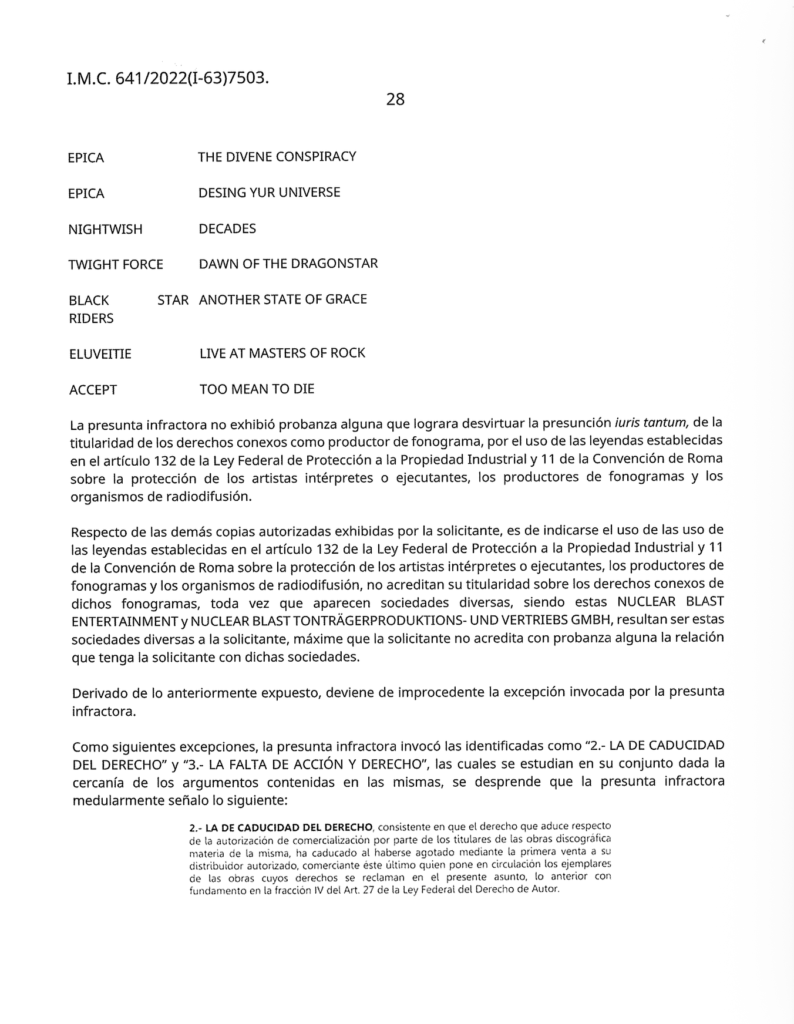
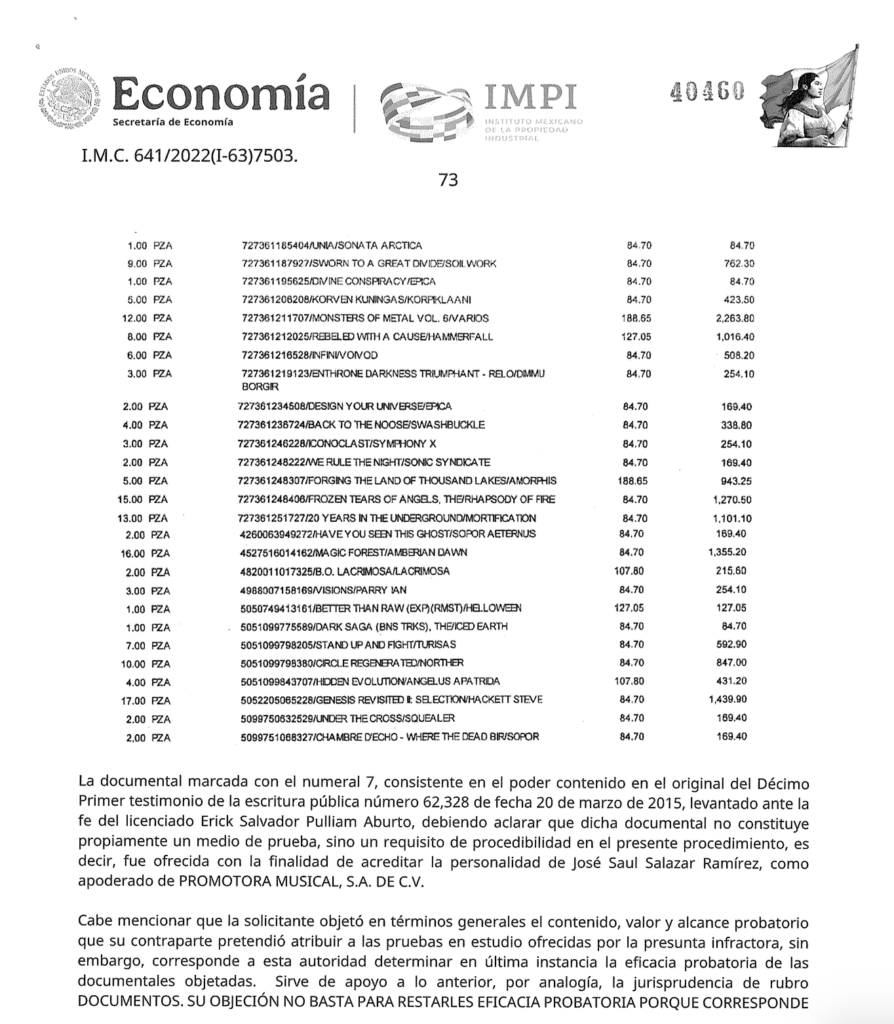
The file includes direct purchases made inside Mixup stores, sales receipts, photographs taken during official inspections and complete inventories compiled by authorities. Among the products identified were albums connected to Epica, Eluveitie, Sabaton, Machine Head, Soulfly, Twilight Force, Accept, Black Star Riders, Korpiklaani, Amorphis and In Flames. The quantity of products found and the variety of titles linked to Nuclear Blast’s catalog suggest this was not an isolated issue inside the retailer’s inventory nor merchandise introduced accidentally into the Mexican market.
The proceeding also references Daniel Sáenz Carreño, linked to contracts, agreements and commercial operations related to the consignment and distribution of the albums involved. Material reviewed during the case includes references to commercial agreements and communications allegedly used to place those products into the Mexican market. What ultimately emerges is a business model that operated for years with relative normality inside the Mexican music industry: local companies manufacturing albums domestically using old licensing agreements or permissions derived from earlier relationships with international labels and later placing those products into major retail chains as if they were fully authorized releases.
The resolution also exposes how that structure continued operating even after internal changes within Scarecrow Records, a company historically associated with the distribution of extreme metal and European releases within the Mexican market. In 2022, the operation came under the control of Israel Plata, who, alongside Daniel Sáenz Carreño, became linked to activities connected to Under The Bridge Records and About Time Records. Despite the IMPI already having confirmed irregularities related to the commercialization of discs associated with the Nuclear Blast catalog, those structures continued operating within the music industry and maintained commercial relationships with Mixup, while also continuing to license releases connected to labels such as Napalm Records and Frontiers Records.
The continued operation of companies linked to the distribution of these materials has raised concerns across different sectors of the metal scene and the Mexican and Latin American physical music market, particularly because part of the issue described in the case file was directly related to the use of expired licenses, ambiguous sublicensing agreements, and the commercial exploitation of international catalogs under frameworks whose validity was no longer recognized by the original rights holders. Additionally, there is evidence indicating that Israel Plata, through the companies Under The Bridge Records and About Time Records, continues operating and conducting business with Mixup despite having been sanctioned for producing and selling counterfeit releases.
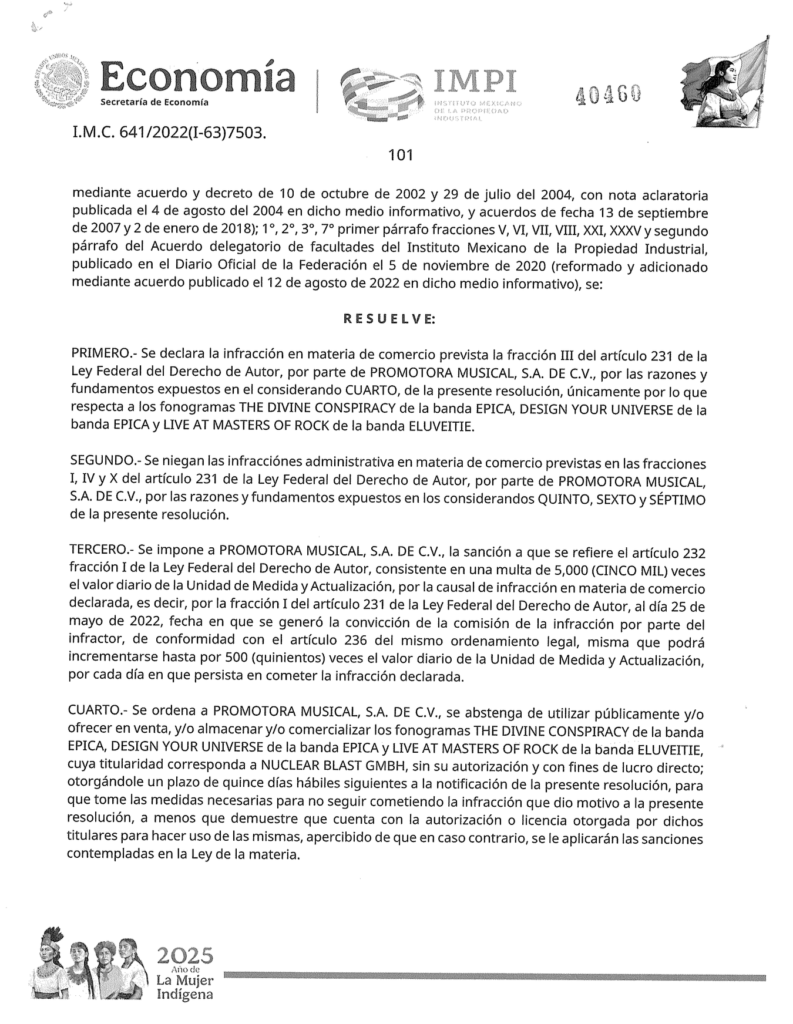
To establish its rights over the materials involved, Nuclear Blast submitted international contracts and documentation signed by the General Director of the German company. After reviewing that evidence, the IMPI recognized Nuclear Blast’s legal standing regarding multiple phonograms included in the litigation. Among the albums specifically identified in the resolution were “The Divine Conspiracy” and “Design Your Universe” by Epica, as well as “Live At Masters Of Rock” by Eluveitie, among other releases for which the institute concluded that Mixup commercialized counterfeit phonograms.
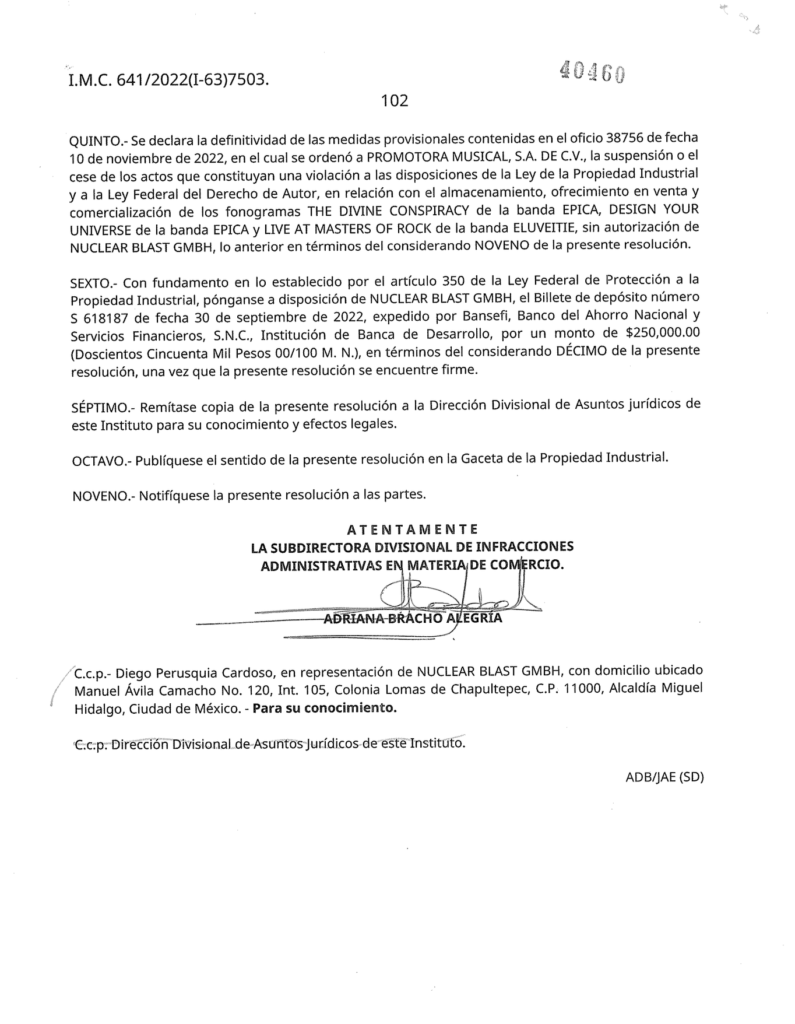
As a consequence, Mexican authorities imposed a fine equivalent to 5,000 UMAs [585,000 mexican pesos or 30K USD] against Promotora Musical S.A. de C.V., the company operating Mixup, while also ordering the cessation of commercialization of the products involved and maintaining precautionary measures connected to the proceeding. The resolution additionally established the release of a 250,000 peso bond connected to the litigation.
The consequences directly affected consumers, artists and international record labels. Thousands of fans paid premium “official product” prices believing they were purchasing legitimate European imports when in reality they were buying albums manufactured in Mexico under expired or irregular licensing structures. At the same time, international companies lost territorial control over their catalogs and over revenue generated from physical sales occurring outside authorized channels. For artists, this also affected royalties, commercial administration and international distribution control over their releases, particularly in a market where physical media still holds economic and symbolic value within specialized music communities.

As of publication, Mixup has not issued a public statement regarding case file P.C. 641/2022 or the allegations connected to commercialization of releases tied to Nuclear Blast’s catalog.
And well, yes, the resolution represents a major blow to that structure, but for many consumers it also leaves behind an uncomfortable feeling: for years, thousands of people spent money believing they were supporting international bands when, according to the administrative proceeding itself, they were actually feeding a system involved in the commercialization of counterfeit releases. The fine imposed by the IMPI affects companies, but it does not change the fact that a large part of the Mexican metal scene purchased albums under a perception of legitimacy that is now being seriously called into question.
That is also why the case ultimately becomes a warning for consumers. Within the physical music market — especially in small and specialized scenes like metal — the appearance of a product or the fact that it is purchased from a supposedly trustworthy store no longer guarantees that it is legitimate. For years, many people automatically trusted certain distributors, labels, and retailers simply because they had operated within the market for a long time; however, it has now become clear that such trust was exploited and abused.
For many within the scene, the conclusion is becoming increasingly clear: if the goal is to truly support the bands, the safest option remains buying directly from official stores, official merchandise shops, Bandcamp, artist-managed websites, or distributors fully recognized by international record labels.