



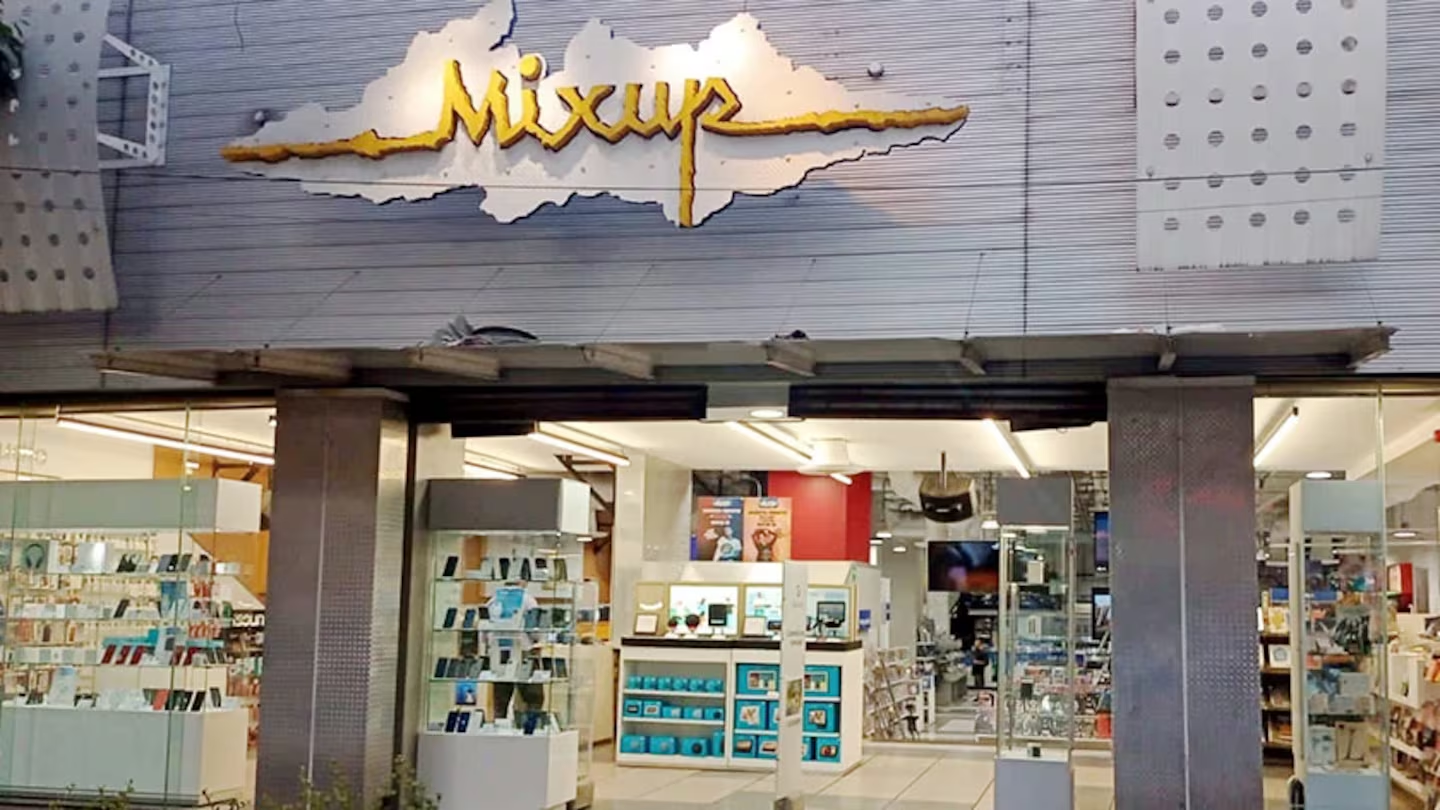
Durante años, Mixup construyó una reputación que para miles de consumidores mexicanos parecía imposible de cuestionar. Mientras buena parte del mercado musical nacional cargaba con décadas de piratería callejera, discos grabados artesanalmente y materiales de origen dudoso, la cadena logró posicionarse como el lugar donde supuestamente sí existía una garantía de legitimidad. Las tiendas estaban dentro de centros comerciales, los precios eran similares a los de imports europeos y los anaqueles exhibían álbumes de bandas internacionales que difícilmente podían conseguirse en otros puntos de venta del país. Para una generación completa de fans del metal, comprar discos de Epica, Eluveitie, Sabaton, Machine Head, Nightwish, Accept, Soulfly, Korpiklaani o In Flames en Mixup significaba asumir automáticamente que estaban adquiriendo productos oficiales distribuidos con autorización de las compañías internacionales.
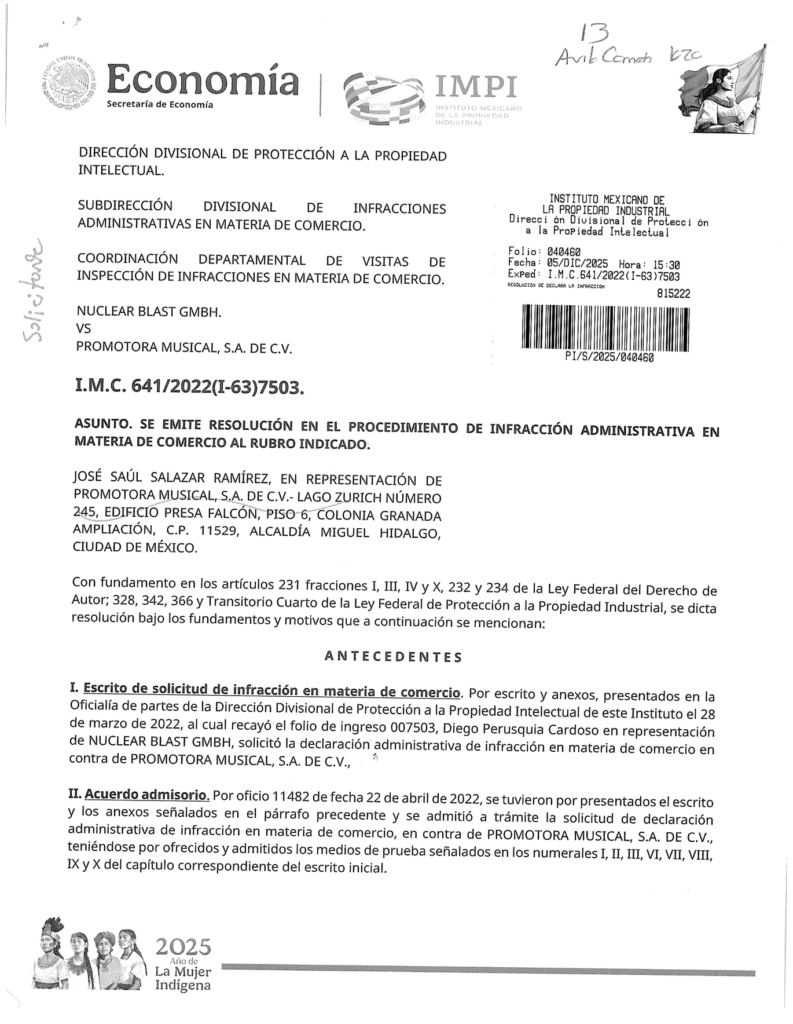
El expediente P.C. 641/2022 del Instituto Mexicano de la Propiedad Industrial expone una realidad completamente distinta. La resolución iniciada tras una denuncia presentada por Nuclear Blast GmbH documenta cómo discos vinculados al catálogo de la disquera alemana eran fabricados físicamente en México y posteriormente comercializados dentro de Mixup utilizando licencias vencidas o sin autorización vigente acreditada. El caso no gira alrededor de imports europeos revendidos en el país ni de distribuidores independientes trayendo mercancía desde Alemania. La información contenida dentro del expediente describe una operación nacional de manufactura y distribución ligada a Scarecrow Records, empresa históricamente conocida dentro de la escena metalera mexicana por distribuir música extrema y lanzamientos europeos difíciles de conseguir en Latinoamérica.
La importancia del caso radica en que los discos parecían completamente oficiales. Los materiales tenían impresión industrial, empaques profesionales, códigos, booklets y acabados visualmente idénticos a cualquier edición internacional legítima. El consumidor promedio no tenía manera de distinguirlos de un producto europeo auténtico porque físicamente lucían exactamente igual. Sin embargo, información oficial obtenida por Summa Inferno muestra que esos discos eran producidos en México utilizando masters, diseños gráficos y documentación derivada de acuerdos caducos o falsos relacionados con Nuclear Blast. Posteriormente, los materiales eran colocados dentro del circuito comercial mexicano mediante consignación y acuerdos de distribución nacional que terminaban llevándolos directamente a los anaqueles de Mixup.
Según la postura presentada por Nuclear Blast ante el IMPI, las licencias empleadas para seguir explotando comercialmente esos fonogramas ya no tenían vigencia o no otorgaban autorización válida para continuar produciendo y distribuyendo esos materiales dentro de México. Aun así, los discos seguían vendiéndose bajo exactamente la misma apariencia de legitimidad con la que Mixup comercializaba cualquier otro lanzamiento internacional completamente autorizado.
El expediente incorpora compras realizadas directamente dentro de sucursales Mixup, tickets de venta, fotografías tomadas durante diligencias oficiales e inventarios completos levantados por autoridades. Entre los materiales identificados aparecen discos relacionados con Epica, Eluveitie, Sabaton, Machine Head, Soulfly, Twilight Force, Accept, Black Star Riders, Korpiklaani, Amorphis e In Flames. La cantidad de productos encontrados y la diversidad de títulos vinculados al catálogo de Nuclear Blast muestran que no se trataba de incidentes aislados dentro del inventario de la cadena ni de mercancía introducida accidentalmente al mercado mexicano.
Dentro del expediente también aparece mencionado Daniel Sáenz Carreño, vinculado a contratos, convenios y operaciones comerciales relacionadas con consignación y distribución de los discos involucrados. La documentación revisada durante el procedimiento incluye referencias a acuerdos comerciales y comunicaciones utilizadas para colocar esos materiales dentro del mercado mexicano. Lo que termina apareciendo es un modelo de negocio que durante años operó con relativa normalidad dentro de la industria musical nacional: empresas mexicanas producían discos localmente utilizando licencias antiguas o acuerdos derivados de relaciones previas con disqueras internacionales y posteriormente esos materiales eran vendidos dentro de cadenas comerciales como si se tratara de producto plenamente autorizado.
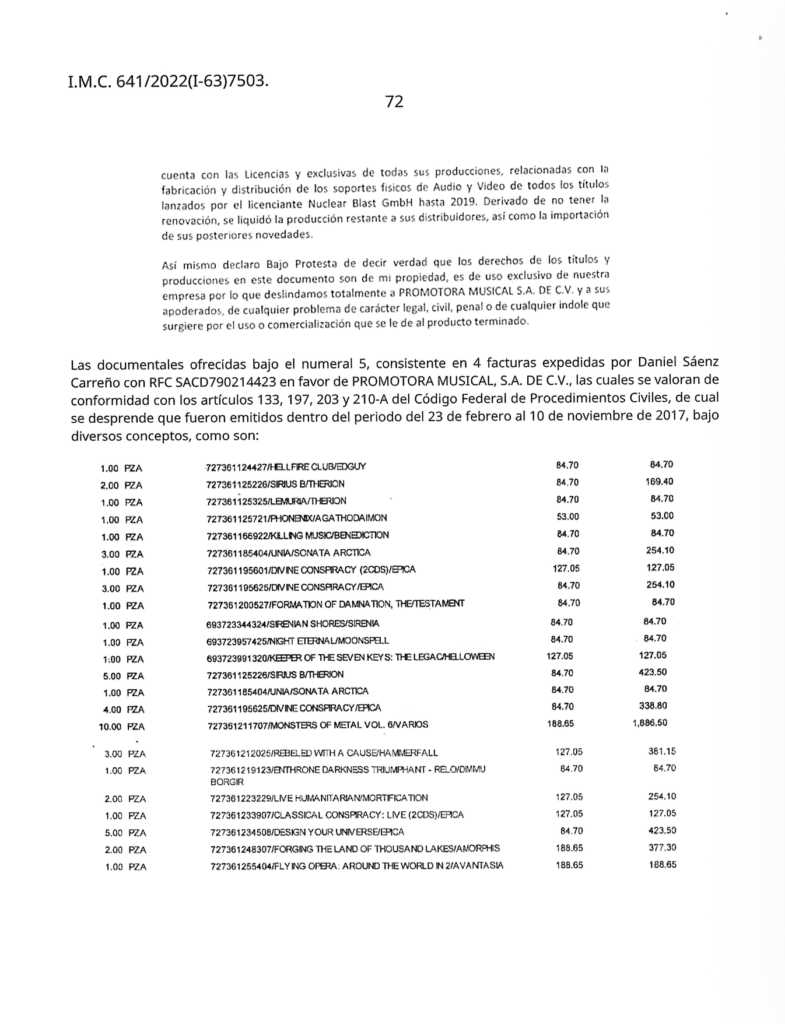
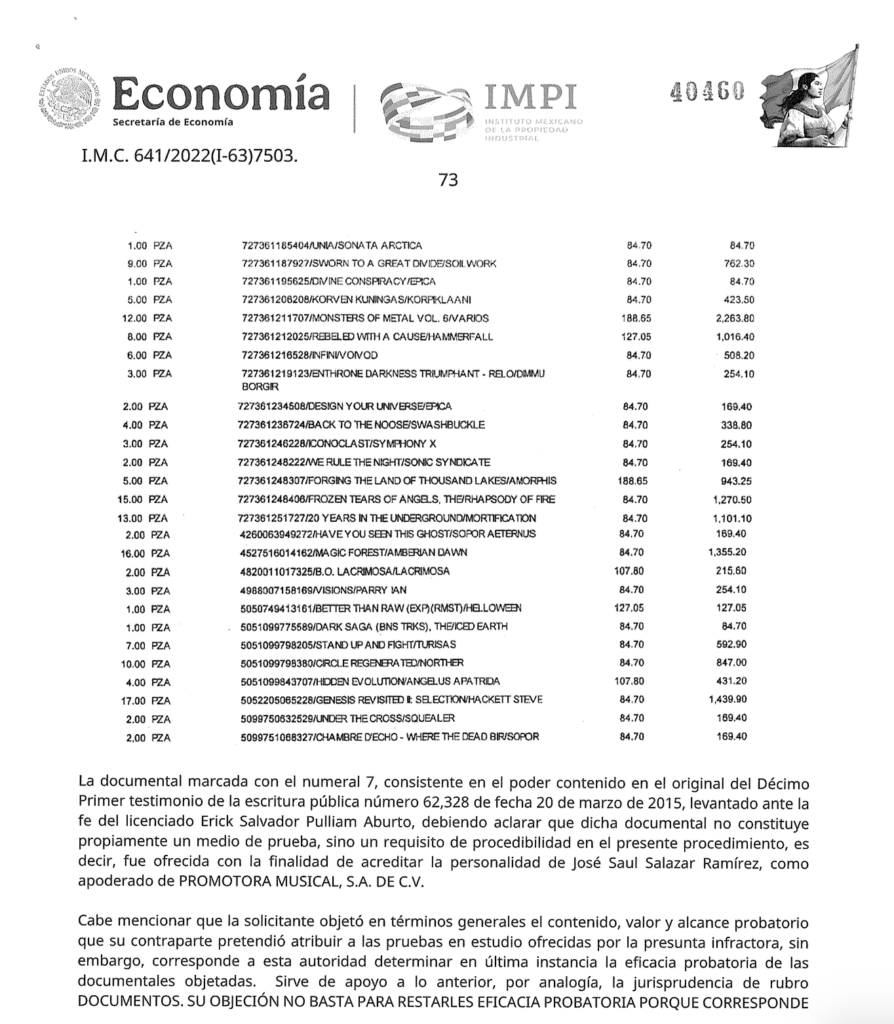
La resolución también exhibe cómo esa estructura continuó operando incluso después de cambios internos dentro de Scarecrow Records, empresa históricamente asociada con distribución de metal extremo y lanzamientos europeos dentro del mercado mexicano. En 2022, la operación pasó a manos de Israel Plata, quien junto con Daniel Sáenz Carreño quedó relacionado con actividades vinculadas a Under The Bridge Records y About Time Records. A pesar de que el IMPI ya había acreditado irregularidades relacionadas con comercialización de discos asociados al catálogo de Nuclear Blast, dichas estructuras continuaron operando dentro de la industria musical y mantuvieron relaciones comerciales con Mixup, además de continuar licenciando lanzamientos relacionados con sellos como Napalm Records y Frontiers Records.
La continuidad operativa de compañías vinculadas a la distribución de estos materiales ha generado preocupación dentro de distintos sectores de la escena metalera y del mercado físico mexicano y latinoamericano, especialmente porque parte del problema descrito en el expediente estaba relacionado precisamente con utilización de licencias vencidas, sublicencias ambiguas y explotación comercial de catálogos internacionales bajo esquemas cuya validez ya no era reconocida por los titulares originales de derechos, además de que hay pruebas de que Israel Plata, bajo las empresas denominadas Under The Bridge Records y About Time Records siguen operando y comerciando con Mixup a pesar de haber sido sancionados por producir y vender piratería.
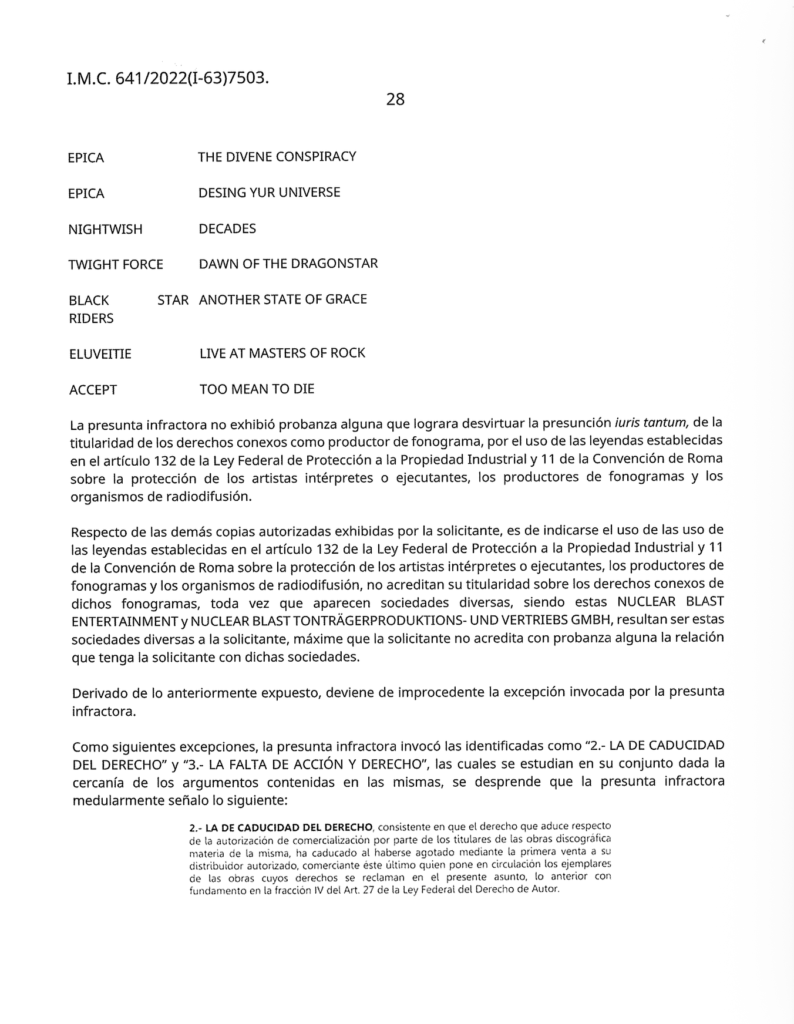
Para acreditar sus derechos sobre los materiales involucrados, Nuclear Blast presentó contratos internacionales y documentación firmada por el Director General de la compañía alemana. Tras revisar esa evidencia, el IMPI reconoció legitimación a favor de Nuclear Blast respecto a distintos fonogramas incluidos dentro del litigio. Entre los discos específicamente señalados por la resolución aparecen “The Divine Conspiracy” y “Design Your Universe” de Epica, “Live At Masters Of Rock” de Eluveitie, entre otros materiales sobre los cuales el instituto concluyó que Mixup comercializó fonogramas falsos.
Como consecuencia del procedimiento, el IMPI impuso una multa equivalente a 5,000 UMAs [poco más de medio millón de pesos] contra Promotora Musical S.A. de C.V., empresa operadora de Mixup, además de ordenar el cese de comercialización de los materiales involucrados y mantener medidas precautorias relacionadas con el caso. La resolución también estableció la liberación de un depósito de garantía por 250 mil pesos relacionado con el litigio.
Las consecuencias alcanzaron directamente a consumidores, artistas y disqueras internacionales. Miles de personas pagaron precios de producto “oficial” creyendo que compraban imports europeos legítimos cuando en realidad adquirían materiales fabricados en México bajo licencias irregulares o vencidas. Al mismo tiempo, compañías internacionales perdían control sobre la explotación territorial de sus catálogos y sobre ingresos derivados de ventas físicas realizadas fuera de canales autorizados. Para los artistas, esto también implicaba afectaciones relacionadas con regalías, administración comercial y control de distribución de sus lanzamientos, particularmente en un mercado donde el formato físico sigue teniendo valor económico y simbólico dentro de comunidades musicales especializadas.

Hasta el momento de publicación de este artículo, Mixup no ha emitido un posicionamiento público sobre la resolución del expediente P.C. 641/2022 ni sobre los señalamientos relacionados con comercialización de discos vinculados al catálogo de Nuclear Blast.
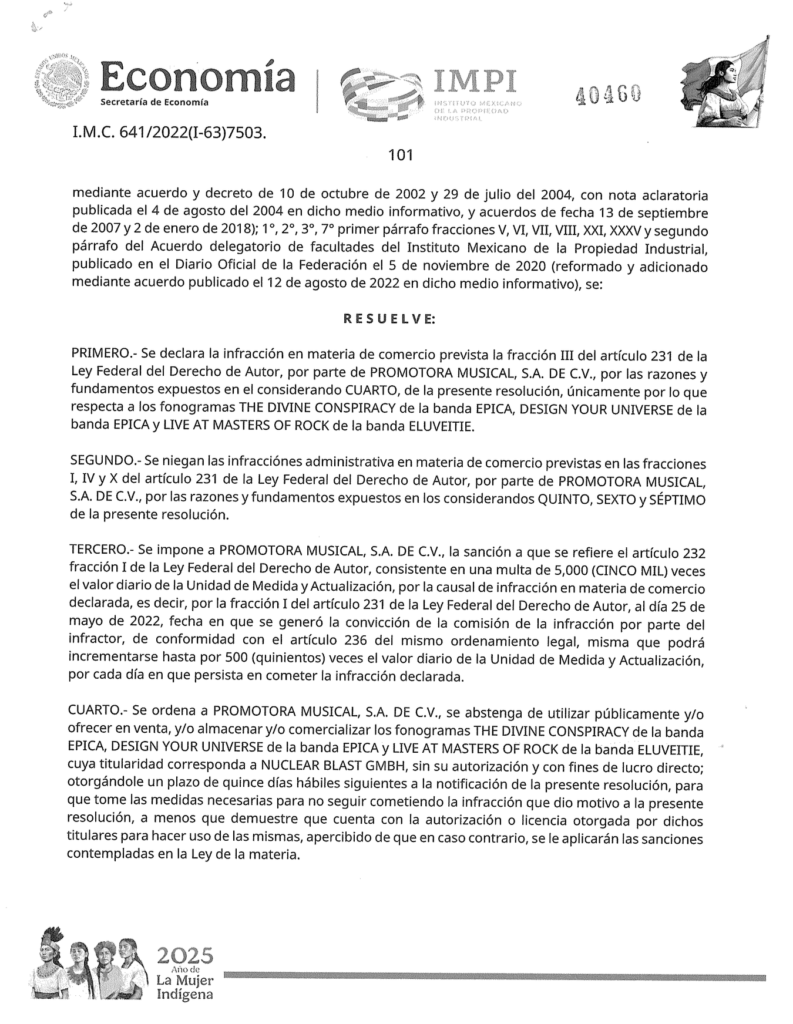
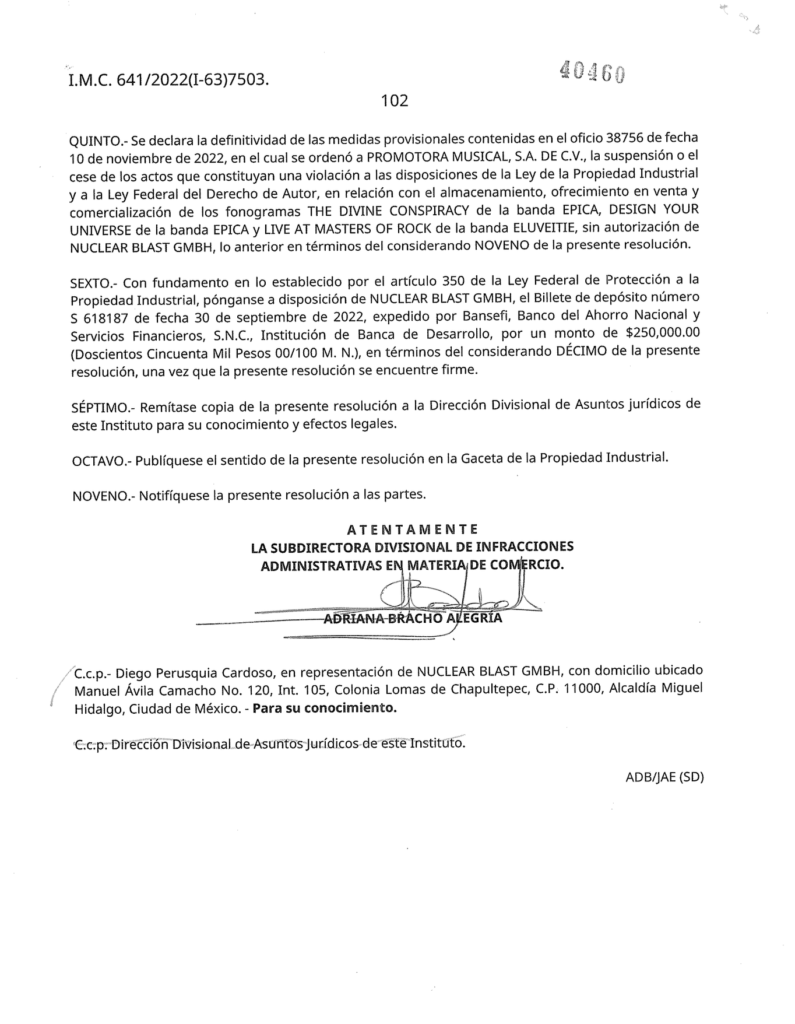
La resolución representa un golpe importante contra esa estructura, pero para muchos consumidores también deja una sensación incómoda: durante años, miles de personas gastaron dinero creyendo que apoyaban a bandas internacionales cuando en realidad terminaron alimentando un sistema que, según el propio procedimiento administrativo, comercializaba piratería. La multa impuesta por el IMPI afecta a empresas, pero no corrige el hecho de que buena parte de la escena metalera mexicana compró discos bajo una percepción de legitimidad que hoy queda seriamente cuestionada.
Por eso el caso también termina convirtiéndose en una advertencia para los consumidores. Dentro de la música física, especialmente en escenas pequeñas y especializadas como el metal, la apariencia de un producto o el hecho de comprarlo en una tienda supuestamente de confianza, ya no garantiza que no sea un producto falso. Durante años, muchas personas confiaron automáticamente en ciertas distribuidoras, sellos y tiendas simplemente porque llevaban tiempo operando dentro del mercado; sin embargo, ha quedado claro que esa confianza fue aprovechada y abusada.
La conclusión para muchos dentro de la escena es cada vez más clara: si realmente se quiere apoyar a las bandas, lo más seguro sigue siendo comprar directamente en tiendas oficiales, merch oficial, Bandcamp, páginas administradas por los propios artistas o distribuidores plenamente reconocidos por las disqueras internacionales.