


Mike Patton presentó Mondo Cane por primera vez en México con un Palacio de Bellas Artes agotado, una orquesta de más de treinta músicos y un repertorio que comenzó en la Italia de los años cincuenta y sesenta y terminó encontrando un camino propio entre Chavela Vargas, Mr. Bungle, Álvaro Carrillo y Juan Gabriel.
Había algo casi cómico en mirar alrededor del Palacio de Bellas Artes y encontrarse camisetas de Faith No More, Mr. Bungle y otros rincones del universo de Mike Patton ocupando las butacas de uno de los recintos más ceremoniosos de México. No era precisamente la fauna habitual del lugar, pero tampoco parecía que nadie estuviera ahí por accidente. Patton llevaba décadas preparando, sin saberlo, a un público dispuesto a seguirlo desde el metal y el hardcore hasta cualquier obsesión extraña que decidiera convertir en disco, y anoche esa obsesión era el pop italiano de mediados del siglo XX.
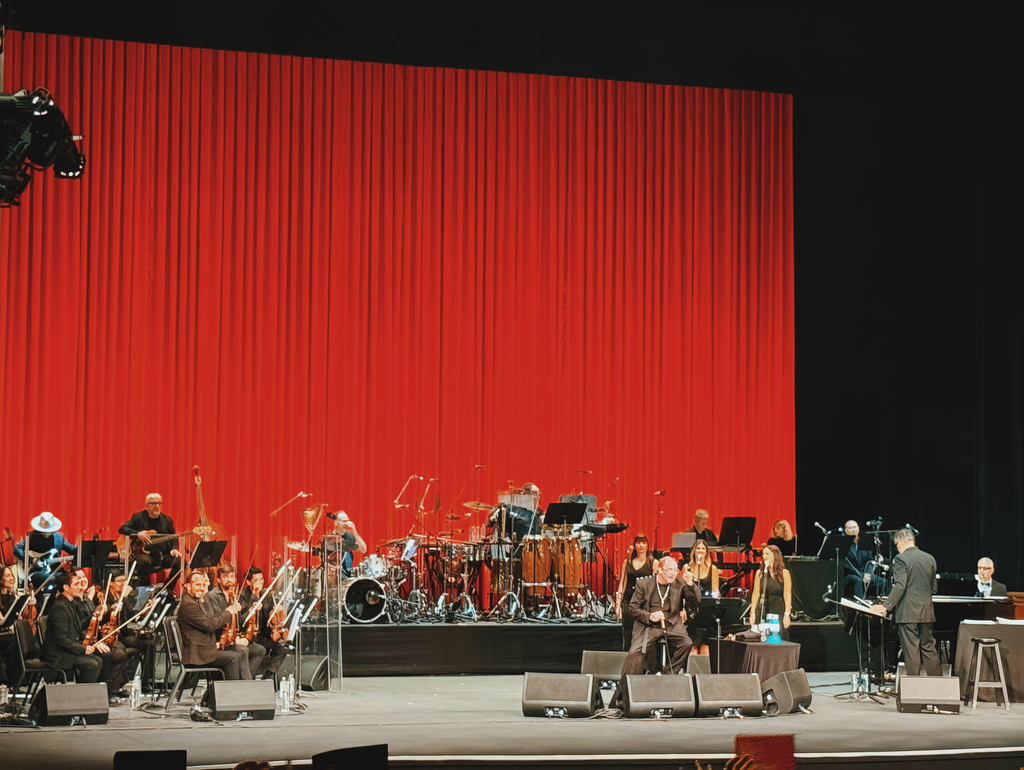
Mondo Cane nunca ha sido uno de sus proyectos más frecuentes y eso ayudaba a que la presentación tuviera un aire especial incluso antes de comenzar. Pasaron años desde aquellos conciertos que dieron origen al álbum de 2010 y su llegada a México había permanecido como una posibilidad remota hasta que finalmente apareció en la programación de Bellas Artes como parte del Festival Internacional Cervantino. Con localidades agotadas, más de treinta músicos sobre el escenario y Cheche Alara al frente de la dirección musical, el montaje tenía proporciones suficientes para ponerse peligrosamente solemne, aunque Patton nunca ha sido particularmente bueno dejando que la solemnidad dure demasiado.
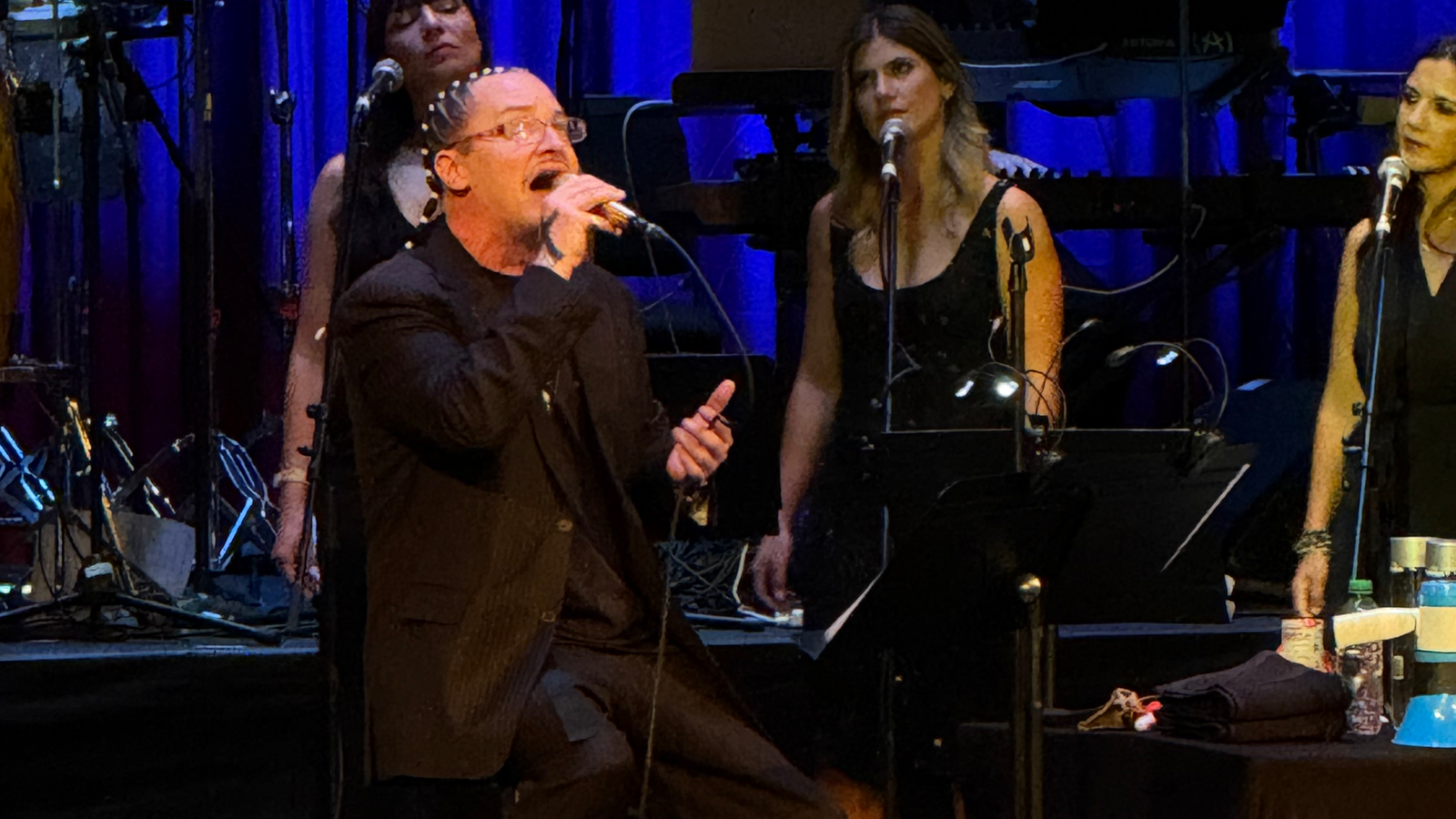
El enorme telón de cristal se levantó poco después de las ocho de la noche y “Il cielo in una stanza” abrió el programa sin necesidad de ningún truco espectacular. Patton apareció vestido de negro, con el cabello trenzado, rodeado de cuerdas, metales, percusiones, teclados, guitarras y coristas, y durante los primeros compases quedó bastante claro que la orquesta no estaba ahí para convertir canciones viejas en versiones “sinfonizadas”. Mondo Cane fue concebido desde los arreglos y depende completamente de ellos: hay momentos en los que las cuerdas cargan con la melodía, otros en los que los metales empujan todo hacia una exuberancia casi cinematográfica y varios en los que la percusión cambia por completo el carácter de una pieza antes de que Patton haga cualquier cosa particularmente extraña.
No necesitó transformar cada canción en un ejercicio de excentricidad. En buena parte del repertorio cantó con una precisión sorprendentemente clásica, jugando con el fraseo de crooner y con una voz mucho más cálida de la que suele asociarse con sus proyectos más abrasivos. El interés estaba en escuchar cómo esa disciplina se iba contaminando poco a poco con sus hábitos habituales: una sílaba llevada demasiado lejos, un cambio brusco de registro, un gruñido donde ningún cantante italiano de 1962 habría pensado colocarlo o una expresión facial capaz de convertir durante unos segundos una balada romántica en algo ligeramente sospechoso.
“Urlo Negro”, “Ore d’amore”, “20 kilometri al giorno”, “Deep Down”, “Scalinatella”, “Storia d’amore”, “Lontano lontano”, “Dio come ti amo” y “Senza fine” fueron pasando sin que el concierto se sintiera como una clase de historia sobre música italiana. Ésa habría sido la salida fácil y probablemente la menos interesante. Patton conoce suficientemente bien ese repertorio como para respetarlo sin embalsamarlo y los músicos tenían suficiente espacio para hacerlo sonar vivo, con toda la exageración romántica y el dramatismo que ya estaban presentes en aquellas canciones mucho antes de que alguien decidiera ponerles la etiqueta de “vintage”.
Bellas Artes ayudó bastante. Los arreglos amplios y las canciones de aire cinematográfico parecían hechos para una sala donde hasta el telón tiene más presencia escénica que muchos grupos completos, aunque el público impedía que todo se volviera demasiado respetable. Los aplausos empezaron pronto, aparecieron algunas manos haciendo cuernos y la distancia habitual entre escenario y butacas fue disminuyendo mientras Patton se relajaba. No necesitaba ponerse a correr ni actuar como si estuviera frente a Faith No More; bastaban sus gestos, el humor entre canciones y esa forma tan suya de cantar algo bellísimo mientras parece divertirse con la posibilidad de arruinarlo.
“Balada triste de trompeta” empezó a mover el concierto hacia un terreno más cercano para el público mexicano. La composición de Franco Pisano, ampliamente conocida en español a través de Raphael, encajó sin problemas en un programa que ya había dejado claro que no pretendía reproducir el álbum de Mondo Cane de principio a fin. También empezaba a sentirse que Patton había preparado algo específicamente para esta fecha y no simplemente transportado un concierto que podría haber presentado de la misma manera en cualquier otro país.
Durante la noche habló varias veces de lo que significaba estar ahí. Era la primera presentación de Mondo Cane en México y Patton, lejos de su habitual personaje de tipo imposible de impresionar, reconoció lo extraordinario que le parecía cantar en Bellas Artes. En uno de esos momentos dijo que estaba cerca de llorar. La frase no habría tenido demasiado peso si el resto del concierto hubiera funcionado como una parada más del calendario, pero lo que ocurrió durante el encore terminó demostrando que la relación con México había sido pensada bastante más allá del saludo de rigor.
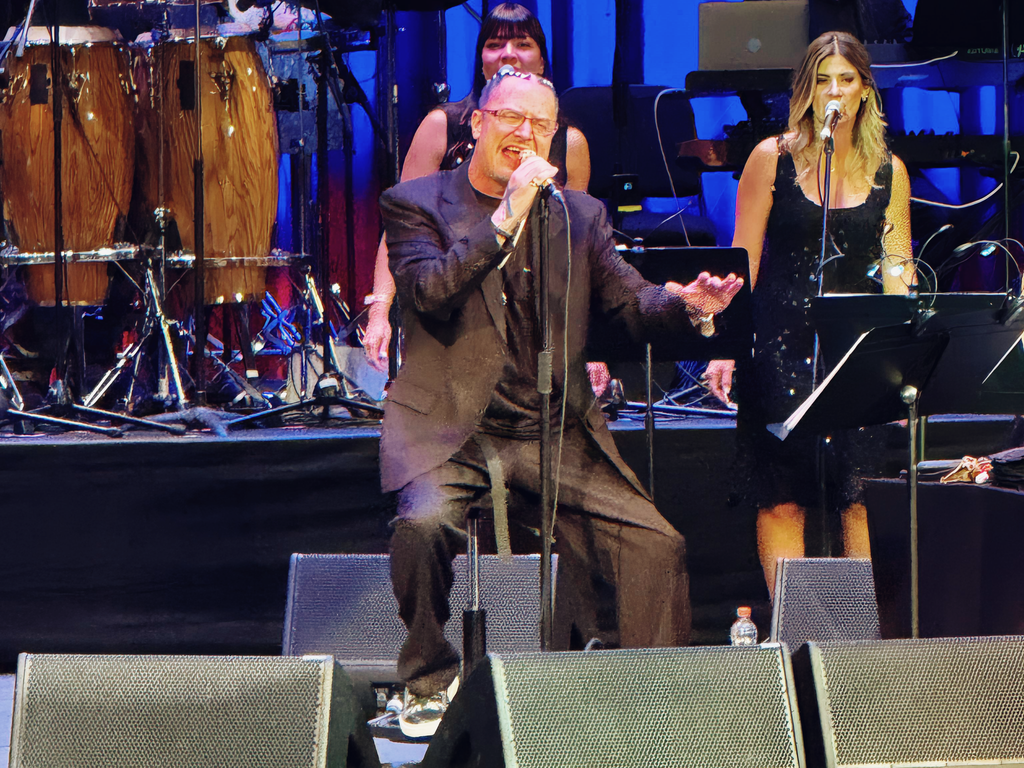
Después de “Senza fine”, los músicos dejaron el escenario y el regreso comenzó a desmontar definitivamente cualquier idea de que la noche pertenecía exclusivamente al cancionero italiano. “La Llorona”, apareció con Patton cantando en español sin intentar esconder su acento ni imitar la manera de interpretar de alguien más. La canción ya carga con suficiente historia como para necesitar otra interpretación impostada y Patton se acercó a ella desde lo que realmente sabe hacer, usando su propio registro y dejando que la melodía cargara con buena parte del peso emocional.
El salto posterior a “Retrovertigo” podría haber parecido completamente arbitrario si no se tratara de Mike Patton. Una de las canciones más melódicas de Mr. Bungle entró al repertorio y, a mitad del tema, se sumó el Mariachi Gama Mil, una combinación que escrita en una hoja parece producto de una conversación que debería haber terminado con alguien diciendo “mejor mañana lo pensamos”. En vivo tenía mucha más lógica. El mariachi encontró espacio dentro de la melancolía de la composición sin convertirla en una novedad cómica y los arreglos sonaron suficientemente naturales como para que la sorpresa inicial desapareciera después de unos compases.
Para entonces ya daba igual intentar clasificar el concierto. “Luz de luna”, llevó a Patton directamente al bolero mexicano y se integró al programa sin necesidad de presentar la elección como algún gran experimento intercultural. Después de hora y pico escuchando canciones que él había sacado de su contexto original para reconstruirlas con otra sensibilidad, lo raro habría sido que empezara a comportarse con demasiado respeto por las fronteras de género.

Cuando comenzaron los primeros compases de “Hasta que te conocí”, el reconocimiento fue inmediato y el comportamiento de la sala cambió con ellos. Hasta ese momento había existido una curiosa convivencia entre la disciplina de un concierto orquestal y la respuesta mucho menos contenida de quienes habían ido a ver a Patton; con Juan Gabriel, buena parte de esa formalidad desapareció. El público cantó, se levantó y respondió de una manera que ningún arreglo italiano podía provocar en la Ciudad de México, mientras el mariachi acompañaba a un cantante estadounidense conocido mundialmente por algunos de los discos más extraños que hayan llegado alguna vez a una tienda de rock.
La elección tampoco era inocente. Juan Gabriel y Bellas Artes están unidos por una historia que terminó cambiando la percepción sobre quién podía ocupar ese escenario y qué clase de música merecía presentarse ahí. Patton no necesitó convertir esa relación en un discurso antes de cantar. La canción, el mariachi y el lugar hacían suficiente trabajo por sí mismos, y precisamente por eso el momento no se sintió calculado.
A lo largo de los años se ha escrito demasiado sobre la “versatilidad” de Mike Patton, casi siempre como si su carrera fuera una competencia para comprobar cuántos sonidos distintos puede producir una garganta humana. Mondo Cane resulta bastante más interesante cuando se observa desde otro ángulo. Patton tiene curiosidad, un gusto musical monstruosamente amplio y muy poco respeto por la idea de que ciertos públicos deben escuchar únicamente ciertos tipos de música. El mismo tipo que llevó Faith No More a estadios puede plantarse frente a una orquesta y cantar a Gino Paoli, saltar después a Mr. Bungle y terminar con una canción de Juan Gabriel sin que la noche se convierta en una colección de ocurrencias.
La primera visita de Mondo Cane a México funcionó precisamente porque nunca pareció querer demostrar demasiado. La orquesta tuvo espacio para sonar enorme cuando debía hacerlo y desaparecer detrás de una melodía cuando era necesario; Patton cantó extraordinariamente bien sin convertir cada canción en una prueba de rango vocal, y el repertorio mexicano apareció con suficiente naturalidad para sentirse como parte del concierto y no como una sección diseñada para arrancar aplausos locales.
Uno entra a un show de Mondo Cane sabiendo que escuchará viejas canciones italianas reconstruidas por uno de los músicos menos predecibles de las últimas décadas. Lo que nadie podía anticipar del todo era terminar en el Palacio de Bellas Artes viendo a Mike Patton, rodeado por una orquesta y un mariachi, cantar “Hasta que te conocí” ante una sala que ya había abandonado cualquier intención de comportarse con la compostura que normalmente exige el edificio. Después de una carrera como la suya, quizá lo verdaderamente extraño habría sido que la noche terminara de una manera normal.