


Hay bandas que utilizan la oscuridad como una estética y otras que, con el paso de los años, terminan encontrándola demasiado cerca como para mantenerla en el terreno de la ficción. Mastodon pertenece desde hace tiempo al segundo grupo. La enfermedad, la muerte, el miedo y el duelo han aparecido recurrentemente en su música, pero no como conceptos abstractos: detrás de varios de sus discos existen experiencias personales que los integrantes de la banda han terminado procesando mediante canciones. En 2026, esa relación entre creación y pérdida vuelve a ocupar un lugar central, aunque esta vez las circunstancias parecen todavía más difíciles de separar de la propia historia del grupo.
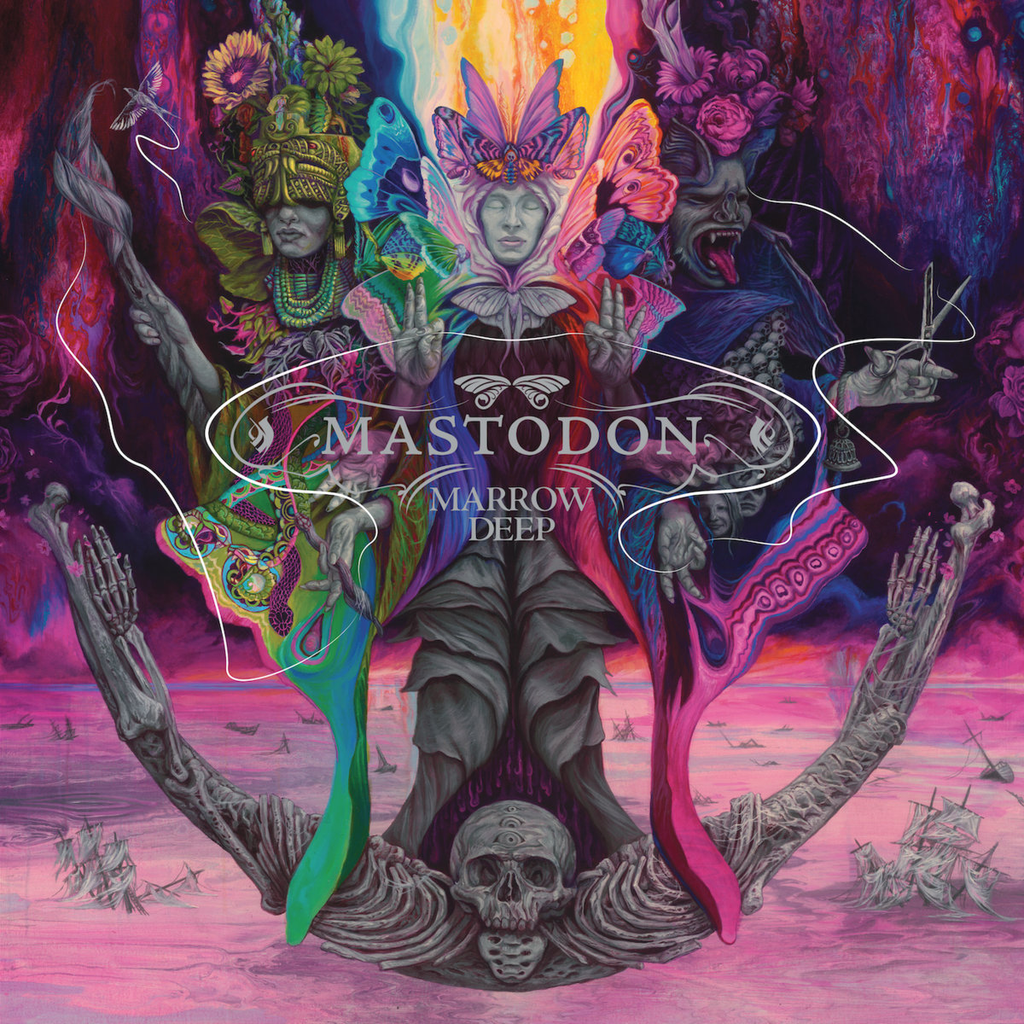
Su noveno álbum de estudio, Marrow Deep, llegó el 28 de agosto de 2026 después de uno de los periodos más complicados que Mastodon ha atravesado. El disco comenzó a tomar forma antes de que todas esas pérdidas ocurrieran, pero su desarrollo terminó inevitablemente condicionado por ellas. Para Brann Dailor, especialmente, el proceso estuvo marcado por la muerte de su madre, Michele Lawrence, en febrero de 2025, y meses después por la de Brent Hinds, con quien había compartido aproximadamente 25 años de música, giras, discusiones, triunfos y una relación personal difícil de reducir simplemente a la palabra “compañero”.
La situación con Hinds era particularmente compleja. El guitarrista y cofundador había dejado Mastodon en marzo de 2025 tras un deterioro evidente de la relación entre ambas partes. Cinco meses después, el 20 de agosto de 2025, murió a los 51 años en un accidente de motocicleta en Atlanta. La separación había dejado asuntos sin resolver y declaraciones públicas particularmente ásperas, pero su muerte convirtió una ruptura profesional en algo mucho más difícil de procesar. Hinds no había sido simplemente un integrante de Mastodon: su manera de tocar, cantar y escribir había contribuido a construir el lenguaje de una banda que pasó de los pequeños escenarios de comienzos de siglo a convertirse en uno de los nombres esenciales del metal estadounidense contemporáneo.
Dailor ha explicado que el título hace referencia a relaciones que llegan literalmente hasta la médula, vínculos cuya profundidad resulta difícil de describir desde fuera. Primero estaba su madre; después, un hombre con el que había creado arte durante un cuarto de siglo. La pérdida aparece en el disco porque resultaba prácticamente imposible mantenerla fuera, pero Mastodon tampoco ha querido convertir el álbum en un ejercicio permanente de tristeza. Para Dailor, Sanders y Kelliher, hacer música volvió a funcionar como una manera de atravesar emociones que no podían solucionar, únicamente afrontar.
Sin embargo, Marrow Deep también obliga a mirar más allá del duelo. Por primera vez, un álbum de Mastodon existe sin Brent Hinds dentro de su arquitectura creativa, una ausencia que necesariamente modifica la dinámica del grupo. Al mismo tiempo, Dailor continúa ocupando un espacio cada vez más amplio como vocalista, compositor y una de las voces reconocibles de Mastodon, mientras la banda intenta descubrir hasta dónde puede cambiar sin desprenderse de aquello que la hizo particular. No se trata únicamente de sustituir a una persona o conservar un sonido: después de más de 25 años, la pregunta es qué significa realmente seguir siendo Mastodon cuando una parte fundamental de su historia ya no puede regresar.

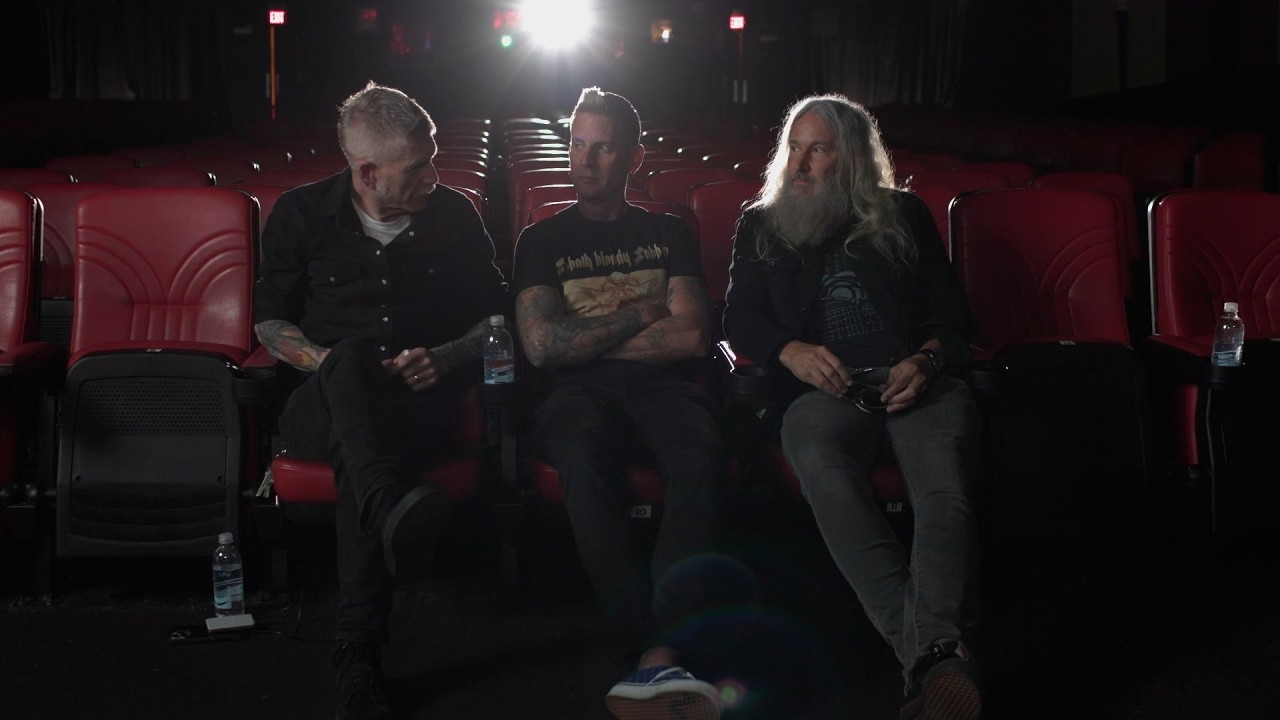
Previo al lanzamiento del álbum, pudimos platicar con Brann Dailor en exclusiva. No solamente desde la muerte de Brent Hinds o desde el dolor por la pérdida de su madre, sino desde todo lo que viene después: volver al estudio, sentarse frente a una batería, encontrar una melodía, reconocer cuándo una idea todavía pertenece a Mastodon y decidir que continuar no necesariamente significa fingir que nada cambió. Hablamos también sobre su evolución física y creativa como baterista y cantante, sobre los límites de la complejidad musical, la transformación del metal durante las últimas dos décadas y qué queda por descubrir cuando una banda aparentemente ya ha recorrido todos los caminos que tenía delante.
‘Marrow Deep’ ya está disponible en todas las plataformas digitales.