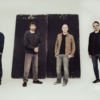
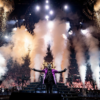
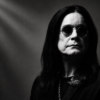

Few modern bands have revitalized the spirit of classic British heavy metal as successfully as GREEN LUNG. While many contemporary acts constantly search for new directions, the London-based quintet has built its identity at the crossroads of pagan folklore, occult mythology, classic horror, and the musical legacy of bands such as Black Sabbath, Deep Purple, Uriah Heep, and Jethro Tull.
Now, the group returns with “Necropolitan Line”, the second single taken from its upcoming fourth studio album, Necropolitan, due for release on September 11, 2026.
The song is inspired by one of London's strangest historical realities: the Necropolis Railway, a real railway service that transported coffins and mourners from the city to distant cemeteries during the late nineteenth century. It is the kind of subject matter that feels tailor-made for GREEN LUNG's creative universe.
The band explained:
“Is there a more fitting subject for a Green Lung song than the Necropolis Railway, a real train line that carried corpses and mourners through London? Add inspiration from the 1972 horror film Death Line, a wild organ-and-guitar duel inspired by Ritchie Blackmore and Jon Lord, and the fastest tempo we've ever recorded, and you get ‘Necropolitan Line’.”
The result is one of the most immediate and energetic songs in the band's catalog. Rather than leaning into the slower ritualistic atmosphere found in some previous material, the track embraces galloping riffs, frantic Hammond organ passages and a relentless momentum rooted in classic hard rock and traditional heavy metal.
The accompanying music video, directed by Tracy Mathewson with animation by Joseph Brett, pays tribute to the legendary German television program Beat Club, which famously showcased groundbreaking acts including Black Sabbath, Deep Purple, and Lucifer's Friend during the 1970s.
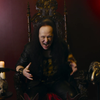
Within the video, GREEN LUNG introduces its own twisted version of the show under the name Crypt Club, extending the band's distinctive occult aesthetic into a visual format that perfectly complements the song's themes.
The album was created alongside renowned producer Tom Dalgety, known for his work with Ghost, Opeth, Pixies, and Royal Blood. This time, Dalgety oversaw the entire production process, from recording to mixing.
Recording sessions took place at the legendary Rockfield Studios, a location deeply connected to the history of British rock and metal through albums recorded there by Queen, Black Sabbath, Rush, Judas Priest, Oasis, and Motörhead.