
Representatives for Brent Hinds’ estate have issued a new statement clarifying the scope of their lawsuit against Mastodon, after much of the public discussion focused on the late guitarist’s appearance in the artwork for Marrow Deep. According to the estate, the central issue is broader: determining what financial interests Hinds still held in entities connected to the band and what compensation he was owed when those interests were separated.
The civil complaint was filed on September 3 in Fulton County, Georgia, against Troy Sanders, Bill Kelliher and Brann Dailor. The estate alleges that Hinds still held ownership interests in Mastodon, its merchandise operation and other companies associated with the group when he died in August 2025, and that the process of valuing and buying out those interests had not been completed.
In its new statement to Guitar World, the estate rejects the idea that the lawsuit is primarily an attempt to obtain money over the use of Hinds’ image. Its representatives say the guitarist had requested a full accounting, valuation and orderly separation of interests he held in businesses shared with Mastodon’s other founding members. That process was still unresolved when he died.
"Brent aún no había recibido compensación por ninguno de sus intereses”, señaló la sucesión.
Documents reported so far show that Mastodon later sent the estate an $80,000 check as an aggregate proposal to buy out Hinds’ interests. However, Hinds had never signed the earlier document outlining the proposed separation terms, and the estate has not cashed the check while seeking a full accounting explaining how the amount was calculated and what his interests were actually worth.
Mastodon announced in March 2025 that the split was a mutual decision after 25 years, while the lawsuit alleges Hinds was notified that he was being removed from the band, and the estate’s latest statement refers to his “exclusion.” Hinds also publicly criticized his former bandmates in the months following his departure.
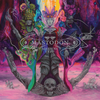
The use of Hinds’ image on Marrow Deep is part of the case, but the estate says it should be understood within the broader dispute over Mastodon’s commercial and merchandising revenue.
Released on August 28, 2026, the album was Mastodon’s first recorded without Hinds. Its artwork contains a recognizable representation of the guitarist, even though he did not contribute musically to the record. The complaint alleges that his likeness was used without the estate’s consent to market and sell the album and related merchandise.
In its new statement, the estate says the issue connects to a wider legal question: whether Hinds’ departure from the band also ended his right to a share of merchandising revenue, or whether those rights remained in place while his ownership interests had yet to be formally settled. His representatives argue that Mastodon’s later commercial use of his image is relevant to that question.
The lawsuit contains additional claims, including objections to the disclosure of information the estate considers private. The latest statement, however, focuses primarily on the financial dispute and on clarifying that Hinds’ appearance on Marrow Deep is not, by itself, the central purpose of the case.

Mastodon responded publicly after the lawsuit became known and denied that its members acted with improper intent. The band described the matter as a private business dispute that it regretted seeing made public and said it intends to defend its position in court.
"Negamos firmemente las acusaciones de mala intención”, señaló el grupo, que además describió la demanda como carente de mérito y anunció que no planea continuar discutiendo públicamente el asunto.
Hinds’ estate, meanwhile, says its lawsuit is not asking fans to choose between the guitarist and his former bandmates or to diminish what they created together. It has also asked for respect while the legal process continues and says members of Hinds’ family have faced personal attacks since the case became public.
The litigation will now have to address the issues left unresolved after Hinds’ departure and death: what ownership interests remained in his name, how those interests should be valued and what compensation is owed, along with the claims surrounding the commercial use of his likeness. None of those questions has yet been resolved by a court.