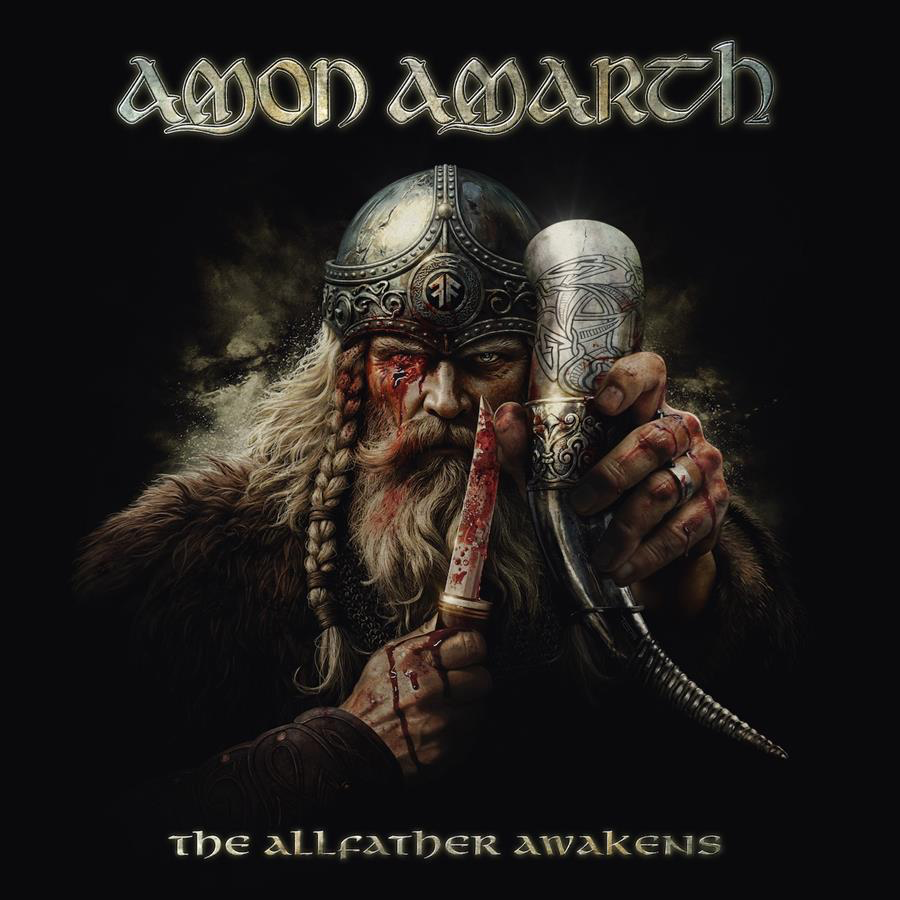

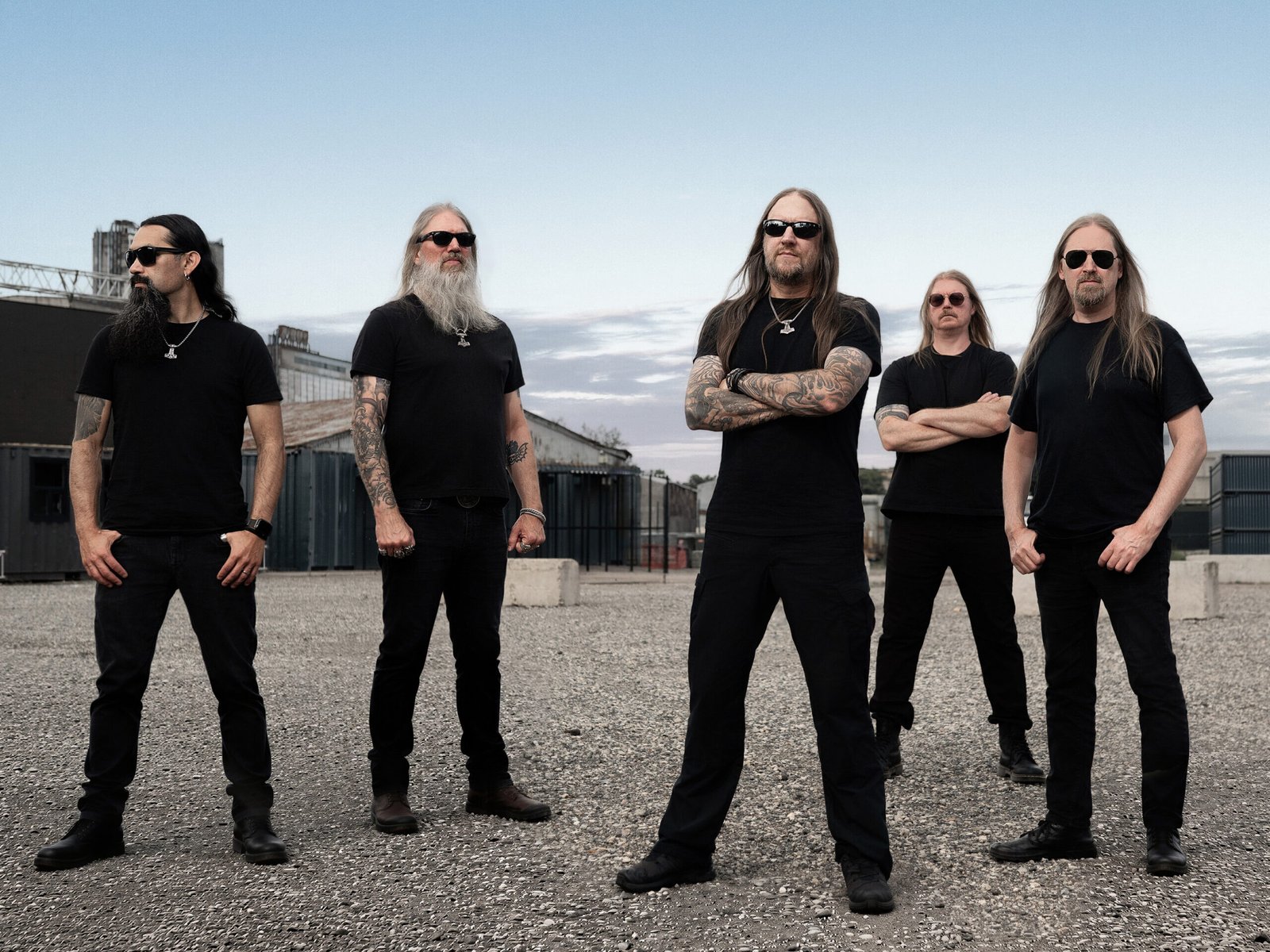
Swedish melodic death metal titans Amon Amarth have officially announced The Allfather Awakens, their thirteenth studio album, scheduled for release on October 2 through Metal Blade Records. Alongside the announcement, the band has unveiled "Gjallarhorn," the album's opening track, following the release of their first-ever acoustic composition, "Upphaf."
While Oden, the Norse Allfather and god of war, wisdom, death, magic, and poetry, once again serves as the central inspiration for the band's imagery and lyrics, The Allfather Awakens is not a concept album. Instead, it presents ten historically inspired stories exploring conflict, sacrifice, courage, and the pursuit of a greater purpose.
Musically, "Gjallarhorn" marks a dramatic contrast with the solemn atmosphere of "Upphaf." Driven by fast-paced riffs, soaring melodies, and an anthemic chorus, the song captures the classic Amon Amarth sound while introducing subtle new elements that the band expects to become a staple of future live performances.
The track draws inspiration from one of Norse mythology's defining moments: Oden's sacrifice of his own eye into the Well of Wisdom, Mímisbrunnr, in exchange for knowledge beyond mortal comprehension. Through "Gjallarhorn," Amon Amarth transforms that legendary tale into a powerful musical narrative centered on destiny, sacrifice, and enlightenment.
The Allfather Awakens also represents a significant shift in the band's creative process. Rather than waiting until touring had ended, Amon Amarth began writing new material while on the road. Recording took place during two separate sessions at Jacob Hansen's studio in Denmark, beginning in the spring of 2025 and concluding in March 2026.
Guitarist Olavi Mikkonen explained the band's approach:
"We worked on one song at a time and made each song as good as possible. Then we recorded one song at a time until each track was totally finished—drums, guitars, and vocals. Only then did we start on the next one."
To complement that songwriting philosophy, the band also revisited a more traditional guitar sound, moving away from 5150 amplifiers in favor of classic Marshall amps to achieve a less modern and more organic tone.

Songs such as "Eight Legs of Thunder," "Kvasir's Blood," "Die With a War Cry," and the title track continue exploring Norse mythology through epic storytelling. The album's cover artwork was once again created by Tom Thiel, who has now illustrated seven Amon Amarth album covers.
More than 30 years after forming in Tumba, Sweden, Amon Amarth remains one of heavy metal's most enduring live acts. Throughout its career, the band has toured alongside Slayer, Iron Maiden, Slipknot, and Pantera, while headlining major festivals including Wacken Open Air, Bloodstock, Download Festival, and Summer Breeze.
The band's cultural influence extends beyond music through The Row, the now-iconic synchronized rowing tradition performed by fans during Amon Amarth concerts. Widely believed to have originated during the band's Bloodstock 2009 performance, the phenomenon has since spread to concerts around the world and even appeared among spectators during the 2026 FIFA World Cup.
To support The Allfather Awakens, Amon Amarth will debut an entirely new stage production inspired by Oden's legendary Golden Hall, transforming the mythology of the new album into a live theatrical experience throughout its upcoming UK and European tour.