

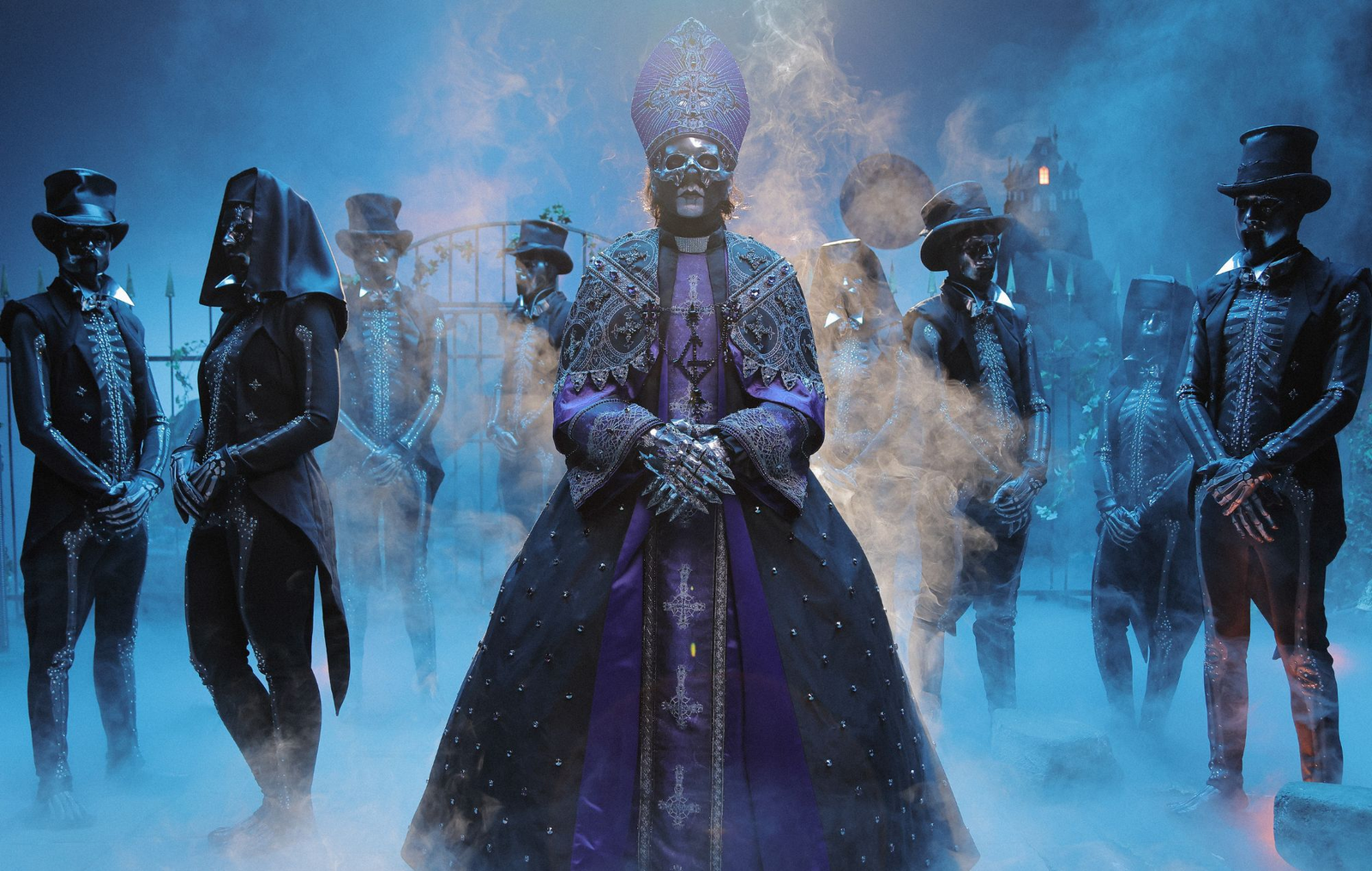
Hay una imagen que persiste en la memoria de quienes estuvieron presentes en el Hammer of Doom Festival en Würzburg, Alemania, el 23 de octubre de 2010: cinco figuras con hábitos negros, los rostros de sus músicos ocultos tras máscaras idénticas de porcelana gris, y un hombre al frente con maquillaje de calavera y una mitra episcopal apenas ligeramente torcida. Tocaron durante cuarenta minutos ante una audiencia que no sabía exactamente qué estaba viendo. El primer concierto de Ghost fue, en el sentido más estricto del término, una pregunta sin respuesta deliberada. Eso fue diseñado así. Quince años después, en mayo de 2025, el sexto álbum de esa misma banda —Skeletá— debutaba en el número uno del Billboard 200 con 86,000 unidades equivalentes en su primera semana, convirtiéndose en el primer disco de hard rock en encabezar el chart más importante del mundo desde que AC/DC lo hiciera con Power Up en 2020. El 89% de esas unidades procedía de ventas físicas. Más de 44,000 copias se vendieron en vinilo. En la era del streaming, eso no es un resultado: es una declaración de principios. Y para entenderla hay que empezar mucho antes de que el número uno fuera siquiera una posibilidad.
Tobias Forge nació en Linköping en 1981 y pasó su adolescencia y su juventud dando vueltas alrededor de proyectos musicales de imposible catalogación. Fue el hombre detrás de Repugnant, una banda de death metal en la que operaba bajo el alias Mary Goore. Tuvo un periodo con Crashdiet, la banda de glam metal sueca. Tocó con Subvision, un grupo de pop rock, entre 2002 y 2008. Se unió a Magna Carta Cartel hasta 2010. A lo largo de esa trayectoria fragmentada, Forge fue acumulando referencias que en cualquier curriculum de músico de rock hubieran parecido incongruentes —Black Sabbath y Blue Öyster Cult conviviendo con ABBA, el horror gótico con la melodía pop de arena, la iconografía satánica con los estribillos radiables— y construyendo mentalmente el edificio conceptual de lo que eventualmente se llamaría Ghost. “Crecí con muchas historias sobre exorcismos, el diablo, ángeles, todo eso”, explicó en una entrevista con el Chicago Tribune. “Y creo que de ahí provienen algunos de los elementos más oscuros de mi música.” La influencia no era abstracta: la arquitectura visual del catolicismo —sus hábitos, sus mitras, su iconografía de culpa y redención, la teatralidad de la misa— había aterrorizado al niño Forge en la iglesia de Linköping y nunca lo había abandonado. La diferencia entre el niño asustado y el adulto que fundó Ghost es que el adulto entendió que el terror y la fascinación son la misma emoción vista desde ángulos distintos.
El primer álbum, Opus Eponymous, fue grabado en un estudio de sótano en Linköping durante unas pocas semanas y lanzado en octubre de 2010 a través del sello independiente británico Rise Above Records —el mismo fundado por Lee Dorrian de Cathedral, señal de que el ecosistema underground reconocía algo genuino en aquella propuesta antes de que la industria supiera pronunciar su nombre. El disco llegó al número 50 de las listas suecas, recibió una nominación al Grammis en la categoría de mejor álbum de hard rock/metal y generó suficiente atención internacional como para que la banda tocara su primer show fuera de Suecia apenas una semana después de publicarlo. Lo que hizo que Opus Eponymous resultara desconcertante para la prensa especializada de la época era precisamente su negativa a ocupar una sola categoría: era demasiado melódico para el underground extremo, demasiado oscuro para el rock mainstream, demasiado teatral para el heavy metal convencional y demasiado serio en su elaboración conceptual para ser descartado como una broma de disfraces. Esa tensión productiva entre categorías es, en retrospectiva, el primer acto estratégico de Forge, aunque él probablemente lo llamaría simplemente honestidad artística. La diferencia entre los dos —estrategia y honestidad— es menos importante de lo que parece cuando el resultado es idéntico: un producto que no puede ser fácilmente ignorado ni fácilmente ubicado, y que por tanto ocupa un territorio mental que ningún competidor ocupa ya.
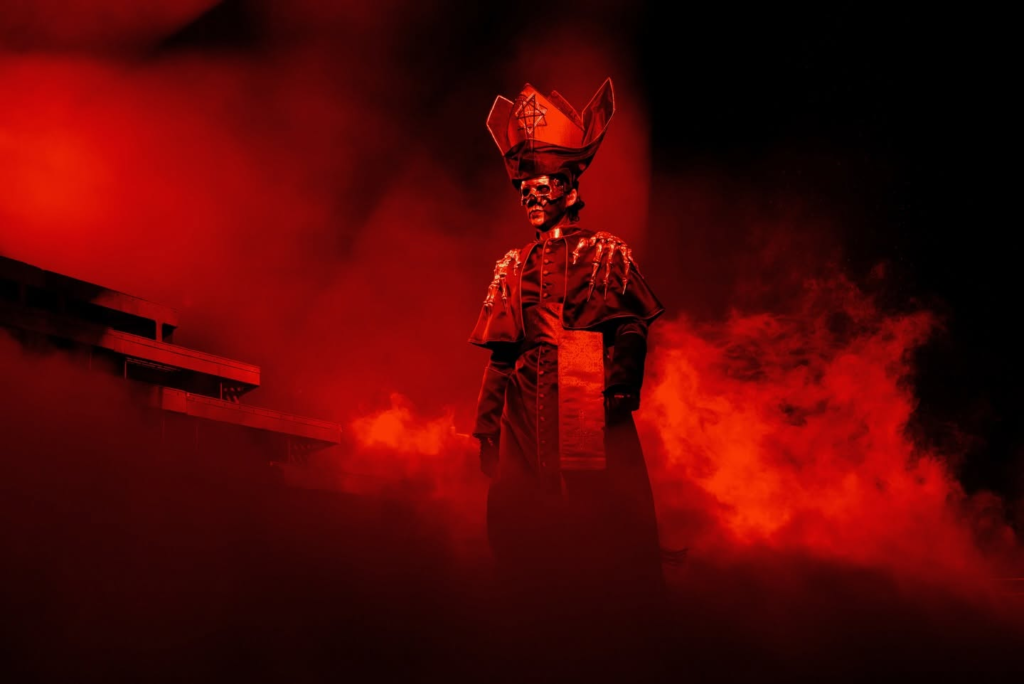
La pregunta de qué necesidades humanas está satisfaciendo Ghost tiene una respuesta que el propio Forge articuló con una precisión notable en una entrevista con el Guardian publicada en 2025: “Hay una gran porción de nuestra base de seguidores que ha experimentado aislamiento. He escuchado muchos sentimientos sobre la alegría de haber encontrado una red social a través del fandom, y eso me alegra mucho.” El diagnóstico no es condescendiente ni accidental; es el de alguien que ha observado con atención qué está produciendo su proyecto en la gente que lo recibe, y que ha tenido la inteligencia de no intentar cambiar esa dinámica para ampliar el mercado. La psicología social lleva décadas estudiando el fenómeno de la identidad colectiva mediante grupos de pertenencia: Henri Tajfel y John Turner establecieron en los años setenta y ochenta que los individuos tienden a categorizarse a sí mismos como miembros de grupos y a derivar parte de su autoconcepto de esa pertenencia. En el caso de Ghost, el mecanismo de entrada al grupo está diseñado con una sofisticación que pocas bandas de rock han logrado deliberadamente. La banda no tiene “fans” en el sentido convencional: tiene una congregación. Los seguidores se llaman a sí mismos “The Clergy” —el clero— y acuden a los conciertos con los mismos términos litúrgicos que la propia narrativa de la banda provee. Los espectáculos se llaman “rituales”. Hay distribución de comunión falsa en algunos shows. Los coros de canciones como “He Is” o “Square Hammer” funcionan como salmodias colectivas en las que la masa de cuerpos en una arena responde a estímulos musicales con una sincronización que los estudios sobre comportamiento colectivo asocian con estados elevados de cohesión grupal. El psicólogo de Oxford Robin Dunbar ha denominado “el efecto del coro” a la liberación de endorfinas que produce el hecho de moverse, cantar o respirar al unísono con otros: intensifica el sentido de vinculación social y de pertenencia de formas que la experiencia de escuchar un álbum en solitario no puede replicar. Los conciertos de Ghost, con su arquitectura de participación colectiva ritualizada, están diseñados —consciente o intuitivamente— para maximizar ese efecto. No son simplemente conciertos de música. Son aparatos de generación de comunidad.
Pero la comunidad no explica todo. Existe un segundo nivel psicológico que opera simultáneamente y que tiene que ver con la gestión de la disonancia cognitiva. Ghost hace música que suena alegre —con estribillos de arena-rock dignos del Wembley de los ochenta— pero cuyas letras están saturadas de iconografía satánica, referencias a la peste negra, crítica religiosa y erotismo oscuro. Esta contradicción no es un error de cálculo; es el mecanismo central del producto. El oyente que llega buscando metal heavy descubre melodías que no puede sacarse de la cabeza durante días, y el que llega por las melodías pegajosas encuentra un aparato conceptual con dientes. Esa dualidad genera un estado de implicación cognitiva más profundo que el que produciría un producto homogéneo: el cerebro sigue procesando la experiencia mucho después de que el álbum ha terminado, buscando resolver la tensión entre lo que escucha y lo que se supone que debería pensar sobre lo que escucha. En términos de comportamiento de consumo cultural, eso se traduce en conversación orgánica: personas que necesitan hablar de Ghost con otras personas para resolver esa tensión. Y la conversación orgánica es, en el ecosistema de la atención digital fragmentada de los últimos años, el recurso más escaso y más valioso que puede tener una banda de rock.
Añadamos el tercer vector. Ghost ofrece una narrativa de identidad alternativa a un segmento demográfico específico que Forge ha identificado con una franqueza poco habitual en el discurso público de un músico de rock. “Hay hombres que están como girando sin brújula en el vacío de cómo ser”, dijo en esa entrevista con el Guardian, describiendo el riesgo de que ese vacío sea ocupado por “mentalidades incel” y “desorientación social”. Forge no pretende ser terapeuta. Pero sí reconoce que Ghost ofrece una mitología alternativa en la que el rechazo a la norma religiosa y social no conduce al nihilismo sino a una celebración erótica, grotesca y fundamentalmente humanista de la vida. Eso es algo que el rock and roll ha hecho periódicamente a lo largo de su historia —de Alice Cooper a KISS, de los Misfits a Rob Zombie, de Marilyn Manson a Type O Negative— pero que pocas bandas de la era contemporánea han articulado con tanta coherencia conceptual sostenida durante tanto tiempo. La diferencia entre Ghost y sus predecesores en ese linaje no es de intención sino de escala y duración: ninguno de ellos construyó un universo narrativo tan elaborado ni lo mantuvo tan consistente durante quince años consecutivos.
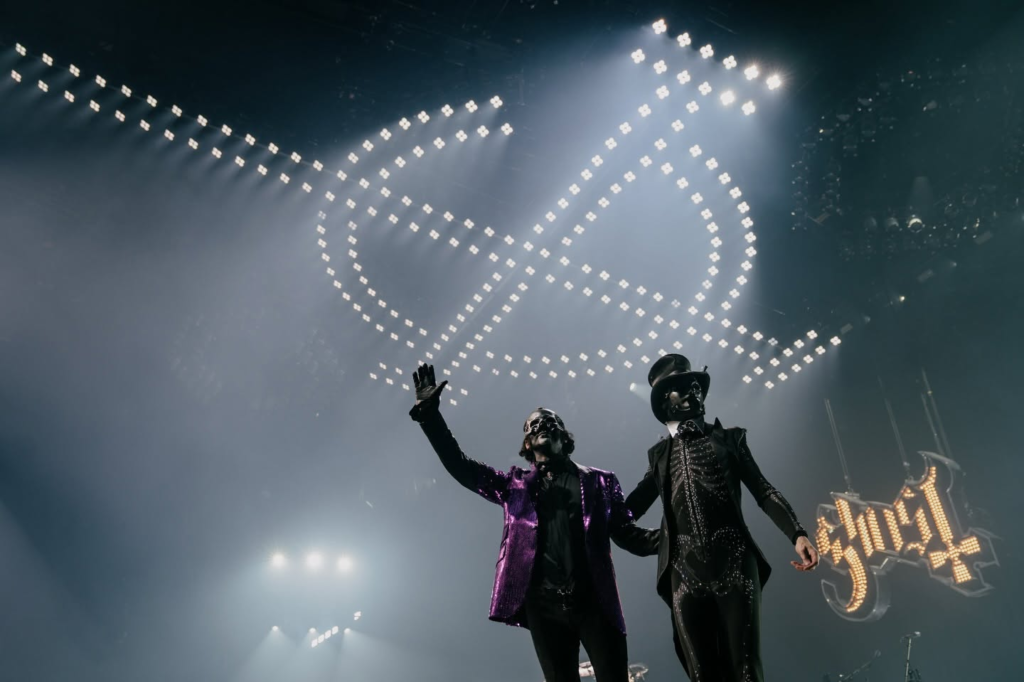
Este universo narrativo es, en gran medida, la historia de la gestión de una crisis. En enero de 2017, varios músicos que habían formado parte de Ghost presentaron una demanda contra Forge reclamando una distribución más equitativa de los beneficios económicos del proyecto. El proceso judicial reveló lo que el círculo íntimo de la banda ya sabía y la mayoría de los fans sospechaban: que todos los Papa Emeritus habían sido el mismo hombre, que Forge era el único miembro permanente del proyecto, y que las Nameless Ghouls eran músicos de sesión contratados y renovados según los ciclos de cada gira. La revelación fue, en el lenguaje de la industria, potencialmente catastrófica: el misterio era parte del producto, y el misterio había sido violado por una demanda judicial publicada en medios de comunicación. Lo que ocurrió a continuación fue exactamente lo contrario de lo que los analistas predecían. Las ventas siguieron creciendo. La comunidad no se disolvió. La ilusión sobrevivió a la revelación de los mecanismos que la producían, y sobrevivió precisamente porque los fans de Ghost nunca habían experimentado la máscara como un engaño que requería ignorancia para funcionar. La experimentaban —y la siguen experimentando— como un dispositivo dramático, con la misma consciencia con la que un espectador de teatro sabe que el actor que representa a Hamlet no es realmente un príncipe danés pero elige suspender esa incredulidad porque la ficción le ofrece algo que la realidad no puede. Saber que hay un actor detrás no destruye la experiencia teatral. La reorganiza. Lo que los psicólogos cognitivos llaman “relevancia óptima” opera aquí de forma precisa: las personas retienen los marcos interpretativos que les resultan más útiles para organizar su experiencia, incluso cuando disponen de información que debería contradecirlos, siempre que esos marcos les sigan siendo funcionales.
Forge utilizó la crisis como oportunidad para profundizar y consolidar el aparato narrativo de la banda. Papa Emeritus III fue “despedido” en el escenario con toda la solemnidad de un acto de gobierno eclesiástico ficticio y sustituido por Cardinal Copia, una figura que en la jerarquía invertida de Ghost ocupaba un rango inferior al papado pero que, a lo largo del ciclo de Prequelle y eventualmente de Impera, escaló hasta convertirse en Papa Emeritus IV. Cada transición de personaje fue comunicada mediante videos producidos por la propia banda, comunicados de prensa redactados en el lenguaje de un organismo eclesiástico ficticio y actuaciones en vivo que incorporaban la transición como elemento dramático central. En 2024, Ghost lanzó Rite Here Rite Now, una película de concierto distribuida en salas de cine de todo el mundo. En febrero de 2025, con el inicio del ciclo de Skeletá, se reveló Papa V Perpetua como el nuevo fronthombre. El ciclo nunca se detiene. Lo que esto representa desde una perspectiva de la industria cultural es un modelo de serialidad que el entretenimiento popular normalmente asocia con franquicias cinematográficas o series televisivas, no con bandas de rock: un universo narrativo con personajes recurrentes —Sister Imperator, Papa Nihil, los Nameless Ghouls como coro griego anónimo, la Ghuleh como figura seductora— que genera lo que el teórico de medios Henry Jenkins llamó “transmedia storytelling”: la extensión de una narrativa a través de múltiples plataformas y formatos que permiten a los seguidores más comprometidos explorar capas adicionales de significado mientras los más casuales acceden al producto superficial sin sentirse excluidos. Un fan puede ir a ver a Ghost sabiendo únicamente que tienen buenos estribillos. Otro puede ir habiendo seguido durante dos años los webisodios que narran la transición de poder entre Papas. Los dos tienen una experiencia completa en su propio nivel, pero en niveles de profundidad radicalmente distintos. Ese diseño no es casual; es el resultado de decisiones creativas tomadas con plena conciencia de que el tamaño de la audiencia dependería de cuántos niveles de acceso ofreciera el producto.
La arquitectura industrial que hizo posible el crecimiento de Ghost tampoco fue resultado del azar. En 2012, la banda y su management tomaron una decisión que en retrospectiva parece obvia pero que en aquel momento requería una lectura sofisticada del mercado: abandonar Rise Above Records y firmar con Loma Vista Recordings en asociación con Republic Records, una división de Universal Music Group. El segundo álbum, Infestissumam, lanzado en abril de 2013, sería su debut en una major. La ironía fue inmediata y perfectamente absurda: la banda no pudo encontrar un fabricante de CDs en Estados Unidos dispuesto a prensar las copias del deluxe edition porque la portada reproducía una ilustración del siglo XVI de una orgía. Cuatro fabricantes rechazaron el trabajo. En lugar de retrasarse indefinidamente, la banda optó por usar la portada estándar para las copias americanas, reservando la versión completa para Europa y el vinilo. La crónica menor de ese contratiempo —una banda satánica cuya portada resulta demasiado explícita para el mercado americano en el año 2013— funcionó como publicidad gratuita de un valor incalculable, recordando que las mejores campañas de marketing para una banda de rock a menudo son las que no están diseñadas como campañas de marketing. Infestissumam llegó al número 28 del Billboard 200 y al número uno de las listas suecas, ganó el Grammis al mejor álbum de hard rock/metal —Ghost lo ha ganado cinco veces en total, incluyendo el de 2026 por Skeletá— y estableció la dinámica que definiría la relación de la banda con su sello para los años siguientes: crecimiento sostenido, sin presiones de resultado trimestral, con pleno control creativo sobre la imagen, la cadencia de lanzamientos y la estrategia de gira.
Loma Vista, fundada en 2012 por Tom Whalley —ejecutivo veterano con experiencia en Warner Bros. Records— fue construida con una filosofía explícitamente contraria a las presiones de los grandes sellos por resultados inmediatos. Esa estructura resultó idónea para Ghost porque el proyecto de Forge depende fundamentalmente de la coherencia a largo plazo de un universo narrativo que no puede permitirse que una decisión ejecutiva de marketing destruya su lógica interna. Ningún ejecutivo de un sello convencional habría permitido, por ejemplo, que la banda “despidiera” públicamente a su fronthombre en el escenario y lo sustituyera por una figura de rango inferior durante un ciclo completo antes de restaurar la jerarquía papal, porque ese tipo de decisión no tiene precedentes en el manual de marketing del rock. Pero es exactamente el tipo de decisión que construye el mito que hace que la siguiente entrega sea un acontecimiento. En el ciclo de Meliora (2015), la canción “Cirice” ganó el Grammy al Mejor Performance de Metal en 2016 —el primero de la banda, y uno que llegó para quedarse en el imaginario de cualquier conversación sobre Ghost— y el álbum llegó al número ocho del Billboard 200 y al número uno en Suecia. La primera aparición de la banda como invitados musicales en The Late Show with Stephen Colbert ocurrió el 30 de octubre de 2015 en un episodio de Halloween, exposición que en el ecosistema del late-night americano tiene el valor de una campaña de publicidad dirigida exactamente al segmento que no busca activamente nueva música en medios especializados. Prequelle (2018) consolidó el territorio del rock activo americano. Impera (2022) debutó en el número dos del Billboard 200 con 70,000 unidades equivalentes, llegó al número uno en Suecia y Alemania y al número dos en el Reino Unido, los Países Bajos y Bélgica. Y luego vino Skeletá, y el número uno.
La estrategia de gira merece una atención particular porque es el vector más visible de la escalada y el que mejor ilustra la lógica de largo plazo del proyecto. Ghost no se limitó a tocar en los circuitos del metal: se posicionó como banda de apertura para Metallica durante la gira WorldWired Tour de 2019, exponiendo su propuesta a audiencias de arenas de 50,000 personas que podrían no haberlos encontrado por los canales habituales. La participación en The Metallica Blacklist —el álbum tributo lanzado en septiembre de 2021 para el que Ghost grabó una versión de “Enter Sandman”— no fue una casualidad ni una operación de imagen: fue la documentación de una relación de respeto mutuo entre dos proyectos que entienden el entretenimiento en vivo de formas similares, y que tiene el efecto práctico de activar la curiosidad de un segmento del fandom de Metallica que todavía no había hecho el salto. La diferencia entre el contexto en el que Ghost actúa hoy —arenas de 15,000 a 20,000 personas, con producción de lujo en pirotecnia, iluminación cinematográfica, vestuario elaborado, sets que cambian de un ciclo al siguiente y que crean su propio vocabulario visual— y el contexto en el que otras bandas de rock con propuestas conceptuales comparables se resignan a operar —salas de 1,000 personas, circuito de clubs— es el resultado de una inversión sostenida en la experiencia en vivo como producto central de la marca, no como subproducto del álbum. En el mercado actual, donde el streaming ha reducido los ingresos por grabación a fracciones de lo que eran en el modelo físico de los noventa, las bandas de rock que generan ingresos sustanciales lo hacen principalmente a través de las giras y el merchandising. Ghost ha construido una propuesta de concierto que justifica precios de entrada de mercado superior, genera la clase de demanda que resulta en fechas adicionales y sold-outs, y produce la experiencia que hace que el asistente no solo vuelva sino que lleve a alguien nuevo la próxima vez.
El giro europeo de 2025 incluyó el O2 de Londres, la Festhalle de Frankfurt, la Olympiahalle de Munich, la Accor Arena de París, la Ziggo Dome de Ámsterdam, la O2 Arena de Praga. En el tramo norteamericano del mismo año, la banda tocó en arenas de primer nivel en todo el continente, con dos fechas en Ciudad de México en septiembre que fueron filmadas íntegramente para una futura película de concierto —un detalle que no es anecdótico sino que señala la consistencia de una estrategia transmedia que trata cada gira como material para el siguiente capítulo del universo narrativo de la banda. Un segundo tramo norteamericano fue anunciado para enero y febrero de 2026, menos de cuatro meses después de haber terminado el primero. En enero de ese año, un segundo tramo de 2026 fue confirmado. La maquinaria no se detiene porque está diseñada para no detenerse.
Los números de ventas físicas de Skeletá son el síntoma más claro de lo que Ghost ha construido en su relación con su audiencia. Que el 89% de las unidades vendidas en la primera semana correspondiera a ventas físicas, y que el vinilo representara más de 44,000 de esas copias, habla no solo de una demografía de fandom dispuesta a gastar dinero en objetos físicos como declaración de identidad, sino de una estrategia de merchandising físico elaborada con el mismo cuidado con el que se elabora cualquier otro elemento del universo Ghost. Los lanzamientos de la banda incluyen sistemáticamente variantes de vinilo de colores, ediciones limitadas con ilustraciones exclusivas, y paquetes que combinan el álbum con prendas de vestir y objetos coleccionables diseñados específicamente para el ciclo narrativo en curso. La edición de Skeletá disponible en Target incluía el álbum prensado en vinilo Violet Mist dentro de una caja plateada con foil, una camiseta exclusiva y un overlay coleccionable del nuevo Papa V Perpetua. Las variantes de color se agotaron en horas. Esto no es merchandising como producto derivado del álbum; es el álbum como parte de un ecosistema de objetos que participan del mismo universo narrativo. Cuando compras un vinilo de Ghost no estás adquiriendo simplemente la música en un formato premium: estás adquiriendo un fragmento del mundo que Forge ha construido durante quince años, un objeto que es también una reliquia y una declaración de pertenencia. Los investigadores del comportamiento del consumidor llaman a esto “efecto de dotación simbólica”: el valor que el propietario asigna al objeto supera sistemáticamente su valor de mercado porque el objeto es percibido como extensión de la identidad, no como simple mercancía. Ghost ha construido las condiciones ideales para que ese efecto opere de forma sostenida.
Habría que preguntarse, en algún punto de este análisis, si la propuesta filosófica de Ghost tiene sustancia más allá de la estética. La respuesta es que sí, y que esa sustancia es parte constitutiva del éxito, no un elemento decorativo. La teología invertida que Forge ha construido a lo largo de seis álbumes tiene una coherencia que va más allá de la provocación adolescente o la estrategia de marketing disfrazada de arte. El Papa Emeritus no es simplemente una figura diseñada para escandalizar a conservadores religiosos —aunque en sus primeros años cumplió esa función, y con deleite visible. Es la articulación visual de una propuesta filosófica que el propio Forge ha descrito como fundamentalmente humanista: la idea de que las instituciones religiosas —particularmente la Iglesia Católica, con su arquitectura visual de poder, culpa y sumisión— han funcionado históricamente como mecanismos de control social que suprimen la sexualidad, la curiosidad intelectual y la autonomía individual. El Satanás de Ghost no es el Satanás del horror gótico o del black metal noruego, cuyas tradiciones tienen sus propias lógicas internas y sus propios méritos. Es más cercano al Satanás de John Milton o al Prometeo romántico: la figura del rebelde que elige el conocimiento y la experiencia sobre la obediencia, que elige la vida sobre la culpa. El propio Forge formuló esto con una frase que tiene la estructura perfecta de una paradoja teológica y que él dejó caer en una entrevista de 2025 con total naturalidad: “Lo que defiendo está probablemente más cerca de Jesús.” Que esa frase no parezca absurda viniendo de un hombre que se viste de papa satánico es, quizás, la mejor ilustración de la complejidad de lo que Ghost ha construido.

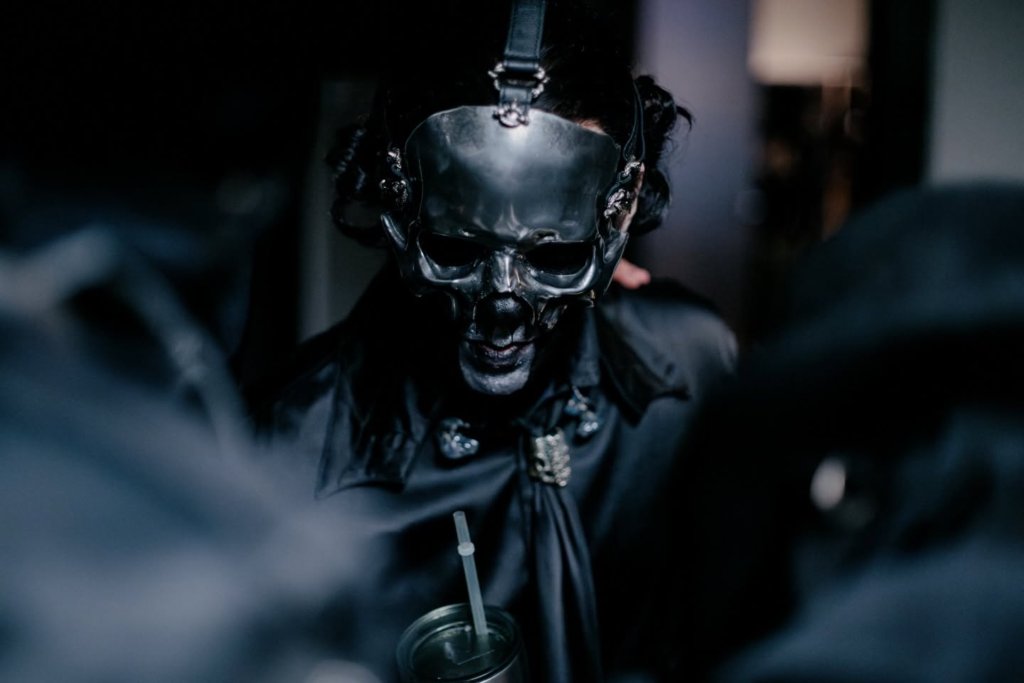
Esta propuesta encuentra un terreno enormemente receptivo en el contexto cultural específico de la segunda y tercera décadas del siglo XXI: el de la decadencia acelerada de la autoridad institucional religiosa en las democracias occidentales, combinada con la persistencia de una necesidad humana de ritual, de comunidad, de marcos interpretativos que den sentido a la experiencia colectiva. Ghost satisface esa necesidad sin las obligaciones morales que acompañan a la fe genuina. La “congregación” puede cantar “Cirice” —una canción cuyo título proviene del inglés antiguo para “iglesia” y que describe al diablo como figura seductora de gracia inquietante— y experimentar el mismo tipo de elevación emocional colectiva que un servicio religioso produce, sin comprometerse con ninguna doctrina, sin la culpa, sin la rendición de cuentas metafísica. Es la experiencia del ritual despojada de sus consecuencias. El sociólogo de la religión Émile Durkheim identificó como función primaria de lo sagrado no la comunicación con lo sobrenatural, sino la generación de cohesión social mediante la experiencia compartida de lo extraordinario. Durkheim llamaba a este fenómeno “efervescencia colectiva”. Lo que Ghost hace, en términos durkheimianos, es secuestrar los mecanismos psicológicos que producen efervescencia colectiva —el ritual, el símbolo compartido, la liturgia, la arquitectura visual de lo sagrado— y reorientarlos hacia fines explícitamente post-religiosos. El resultado es una experiencia de concierto que numerosos seguidores describen en términos que normalmente reservamos para experiencias espirituales. “Los rituales son como ningún concierto al que haya ido”, declaró una fan en el especial de Kerrang! dedicado al fandom de la banda en 2025. “La música me tiene completamente inmersa en todo.” Y otra: “Ghost me ha inspirado a vivir de forma más auténtica. El mensaje de vivir plenamente sigue inspirándome cada día.”
Habría que detenerse en algo que la narrativa de éxito de Ghost tiende a oscurecer: el hecho de que el camino fue largo, deliberado y lleno de momentos en los que la apuesta podría haber fallado. La revelación involuntaria de la identidad de Forge en 2017 fue una de esas crisis. El escándalo por las portadas censuradas en 2013 fue otra que se convirtió en ventaja por accidente. El periodo de COVID, que detuvo toda gira en el momento en que Prequelle había llevado a la banda al territorio de los grandes recintos, fue otra prueba. Ghost sobrevivió cada una porque el núcleo del proyecto —la visión artística de Forge, la coherencia del universo narrativo, la calidad sostenida de las canciones— era suficientemente robusto para no depender de la ausencia de adversidad. Eso también es un modelo para la industria, aunque es el más difícil de imitar: se puede copiar la estética, se puede copiar la estructura de la narrativa, se pueden contratar diseñadores de vestuario y componer estribillos con la misma geometría melódica. Lo que no se puede copiar es la quince años de acumulación de significado que hace que una canción de Ghost no sea simplemente una canción sino un episodio de algo más largo. Eso solo se construye con tiempo y con una consistencia que la mayoría de los proyectos musicales no están dispuestos o no son capaces de mantener.
Cuando Skeletá llegó al número uno del Billboard 200, la prensa enmarcó el logro como una anomalía: el rock no hace eso, el metal no hace eso, el streaming ha matado las ventas físicas. NPR lo calificó de “improbable”; Billboard señaló que era el primer disco de hard rock en la cima del chart desde AC/DC; Billboard y Variety destacaron que era la mayor apertura semanal del rock en cinco años. La narrativa de la anomalía es comprensible pero fundamentalmente equivocada. Skeletá no fue una anomalía. Fue el noveno álbum de Ghost en entrar en el Billboard 200, el quinto en alcanzar el top 10, el sucesor directo de un Impera que había llegado al número dos tres años antes. La trayectoria no era de anomalía sino de escalada constante en una industria donde la escalada constante es el fenómeno más difícil de conseguir y el más fácil de ignorar cuando ocurre porque no se ajusta a la narrativa del éxito repentino que el periodismo de rock prefiere.
Lo que el número uno de Skeletá confirmó no es que Ghost hizo algo inesperado, sino que el modelo que Forge construyó en un sótano en Linköping en 2010 era funcionalmente correcto en todos sus supuestos fundamentales: que había espacio para el teatro en el rock contemporáneo, que los fans de música pesada podían sostener una relación comercial de largo plazo con un proyecto si ese proyecto les ofrecía algo más que canciones, que el anonimato no era un obstáculo sino un mecanismo productivo, que la coherencia conceptual sostenida a lo largo de más de una década produce el tipo de lealtad de audiencia que los algoritmos de streaming no pueden replicar ni medir adecuadamente, y que el vinilo —el viejo, anacrónico, imprácticamente grande vinilo— podía seguir siendo la espina dorsal de una estrategia de lanzamiento ganadora en 2025, siempre que el objeto en cuestión valiera la pena poseerlo.
Hay una contradicción en el corazón de Ghost que es también, quizás, su virtud más duradera y la más difícil de articular sin que suene a paradoja forzada. Tobias Forge ha construido un aparato que funciona psicológicamente como una religión —ritual, comunidad, símbolo compartido, figuras de autoridad carismáticas, narrativa de pertenencia, jerarquía visible, comunión literal en los conciertos— para promover, en el fondo, el antídoto de cualquier religión: la primacía del individuo sobre la institución, el placer como valor legítimo, la duda como práctica intelectual sana, la vida sobre la culpa. Los fans que llenan las arenas y cantan “Cirice” al unísono en estados de efervescencia colectiva están, en términos de contenido, celebrando su propia emancipación de exactamente ese tipo de estructura. La forma y el contenido se contradicen. Y esa contradicción es, probablemente, la más honesta que el rock and roll ha producido en mucho tiempo, y la que explica por qué quince años después del primer show en Würzburg la respuesta a la pregunta que aquellas cinco figuras de hábito negro hicieron esa noche sigue siendo imposible de dar en una sola frase. El Papa sabe lo que hace. Y lo que hace, resultó ser exactamente lo que una parte significativa del mundo estaba esperando que alguien hiciera.