

Somewhere between the mythology of heavy metal and the rural geography of northern Germany lies a place that, for a few days each summer, ceases to be a quiet village and becomes the global epicenter of metal. That place is Wacken, a small town in Schleswig-Holstein that has hosted the Wacken Open Air since 1990—an event that evolved from a modest gathering of a few hundred attendees into one of the most significant cultural, logistical, and symbolic institutions in heavy music. Its story cannot be reduced to attendance figures or brand value alone; it is a layered narrative shaped by community identity, shifts within the music industry, commercial tensions, international competition, and a persistent ability to adapt under pressure.s
Origins: two fans, one field, and an idea that refused to stay small
Wacken Open Air began with a straightforward premise. Thomas Jensen and Holger Hübner, two metal enthusiasts without the backing of a major promoter, organized a small festival in their hometown. The first edition in 1990 drew roughly 800 people. There were no towering stage structures, no advanced production systems, no major sponsors—only a grassroots energy and a shared conviction that metal deserved its own dedicated space, far removed from urban circuits and mainstream industry frameworks.
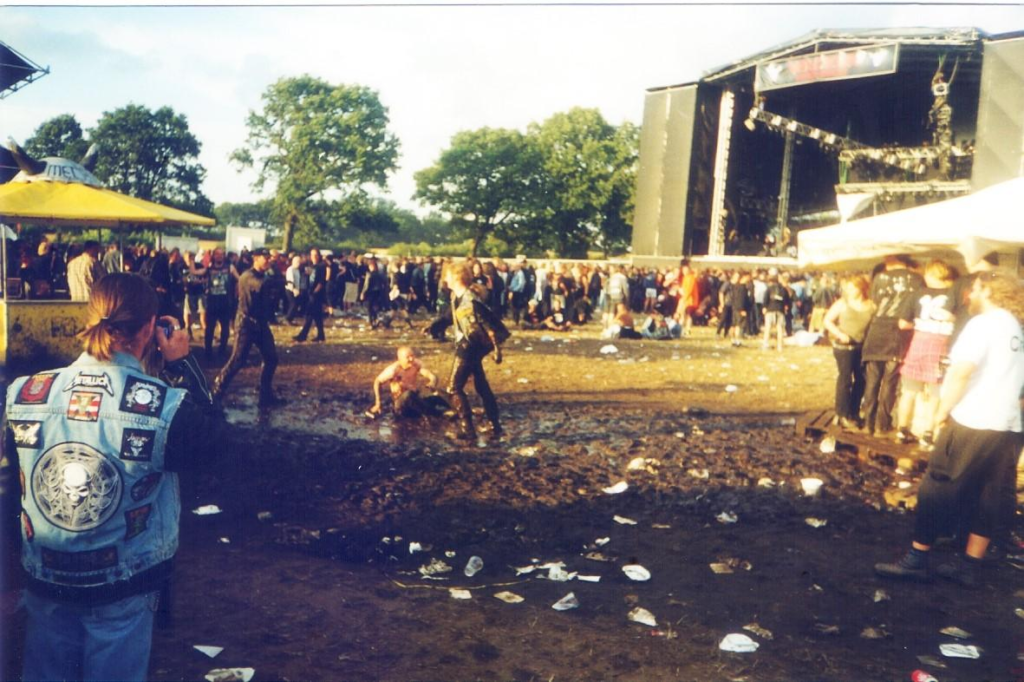
During its early years, the festival operated with an almost handmade ethos. The lineup leaned heavily on local and regional acts, audiences grew through word-of-mouth, and the infrastructure remained minimal. Unlike festivals launched with immediate corporate support, Wacken built its reputation incrementally, fostering a sense of ownership among attendees that would later become one of its defining strengths. At the time, the metal landscape itself was undergoing a shift. The rise of grunge in the early 1990s displaced many metal bands from mainstream visibility, but it also strengthened underground networks—spaces where events like Wacken found fertile ground.
Consolidation: from regional gathering to global destination
By the mid-1990s, Wacken began a more deliberate expansion. International acts were introduced, production standards improved, and the audience diversified geographically. What had once been a local gathering transformed into a destination event, drawing fans from across Europe. The “Wacken experience” extended beyond music, encompassing camping culture, social interaction, and a temporary community built around a shared language: metal.
Growth brought instability as well. Financial uncertainty threatened the festival’s continuity at several points toward the end of the decade. Yet the persistence of its founders and the loyalty of its audience allowed it to endure. By the early 2000s, Wacken had secured its position as one of the leading metal festivals worldwide, with attendance climbing into the tens of thousands.
This expansion was not driven solely by lineup curation—though that remained central—but by a broader understanding of what a festival could represent. Wacken invested in infrastructure, diversified its stages, introduced additional programming, and developed a strong visual identity. Its logo, aesthetic, and narrative became globally recognizable, reinforcing its presence beyond the physical event itself.
The Wacken experience: beyond sound, into ritual
To speak of Wacken is to acknowledge its atmosphere. The mud—often the result of heavy rainfall—has become an integral part of the festival’s identity. What might be considered a logistical flaw elsewhere has been embraced as a symbol of endurance and authenticity. Attending Wacken means accepting discomfort as part of the experience, participating in a shared ritual that blurs the line between adversity and celebration.
This identity has been deliberately cultivated. The so-called “Wacken feeling” is shaped by multiple factors: the interaction among attendees, the coexistence of subgenres, generational diversity, and a sense of belonging that extends beyond the event’s duration. Veteran fans stand alongside newcomers, established bands share space with emerging acts, and the collective experience carries as much weight as any individual performance.
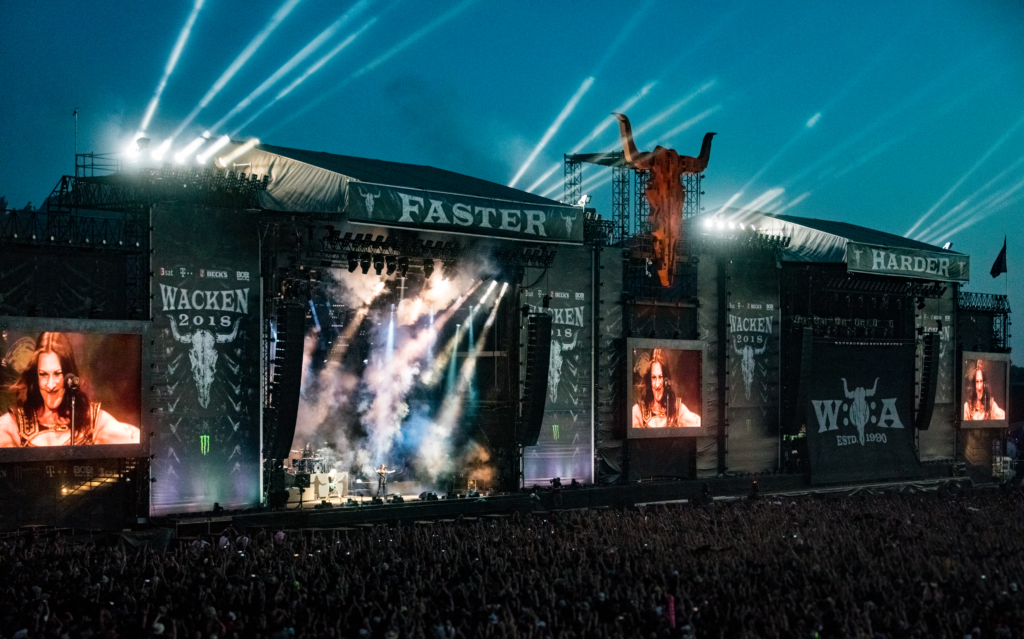
Wacken has also expanded its reach through global initiatives. International band competitions, live streaming, and partnerships with various entities have extended its influence beyond Germany. The festival now operates not only as a physical gathering but as a connective platform for the worldwide metal community.
Cultural and economic significance
Wacken’s impact extends well beyond music. Economically, the festival generates substantial activity within its region. During its duration, the population of Wacken multiplies dramatically, bringing increased demand for lodging, food services, transportation, and local commerce.
Culturally, it has played a role in legitimizing metal as a form of artistic expression. In a genre historically marginalized by mainstream institutions, Wacken provides a space of recognition and celebration. Its lineup diversity—from traditional heavy metal to black metal, death metal, and metalcore—reflects the genre’s internal complexity and adaptability.
The festival has also influenced the structural development of other events. Its combination of logistical organization, diverse programming, and community-building has served as a blueprint for subsequent festivals. In this sense, Wacken does not merely participate in the industry; it helps shape it.
Structural challenges and recent crises
Scaling up has introduced increasingly complex challenges. Organizing an event of Wacken’s magnitude requires detailed planning in areas such as safety, transportation, and environmental conditions. Heavy rains, which have repeatedly turned the festival grounds into difficult terrain, have forced organizers to implement specific measures to ensure attendee safety.
External factors have compounded these challenges. The COVID-19 pandemic disrupted the global festival circuit, and Wacken was no exception. Cancellations and uncertainty required a reevaluation of strategies. Yet the festival’s ability to maintain engagement with its community during that period underscored its structural resilience.
Environmental concerns have also become more prominent. Waste management, resource consumption, and ecological impact are now integral considerations. As sustainability becomes a central issue in large-scale events, Wacken has had to respond with more explicit policies and practices.
Global competition: Hellfest, Graspop, Aftershock and more
Wacken’s prominence has not gone unchallenged. Over the past two decades, festivals such as Hellfest, Graspop Metal Meeting, and Aftershock Festival have emerged as major players, each offering distinct strengths that, in certain respects, surpass Wacken.
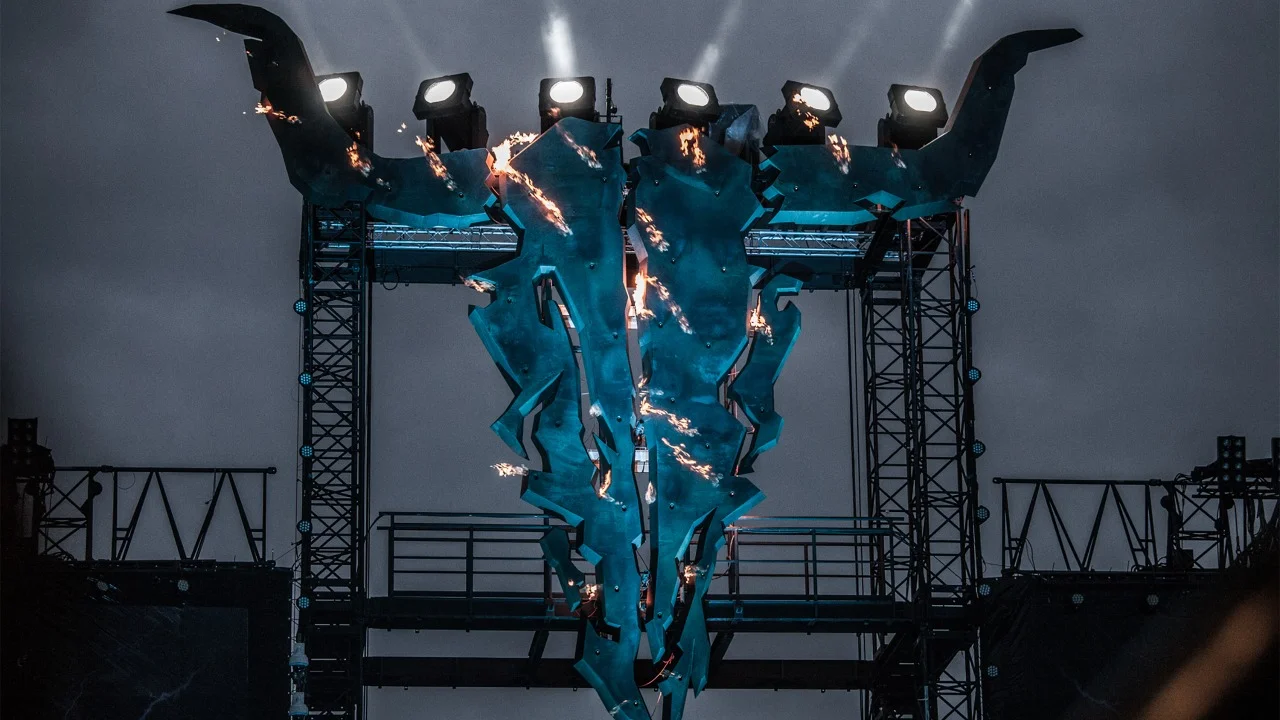
Hellfest, based in France, has distinguished itself through elaborate stage design and theatrical production. Its rapid growth and strong curation have positioned it as one of Europe’s most prominent festivals.
Graspop Metal Meeting in Belgium emphasizes efficiency and attendee comfort. Its infrastructure and organization appeal to audiences seeking a more controlled and accessible environment.
Aftershock, located in the United States, operates within a broader genre spectrum, blending metal with alternative rock and expanding its audience base. Its structure and location make it particularly attractive within the North American market.
This competition has shifted attention within the global festival landscape. In some cycles, media focus gravitates more toward these events, particularly when they deliver innovative production or high-profile lineups.
Overshadowed or evolving?
The notion that Wacken has been overshadowed requires nuance. While competition has intensified and other festivals have gained visibility, Wacken retains a distinct position within the metal ecosystem. Its history, identity, and community differentiate it from newer events.
Rather than a decline, what emerges is a transformation of the landscape. Metal has expanded, diversified, and globalized, leading to a broader array of festivals. Wacken is no longer the sole reference point, but it remains one of the most influential.
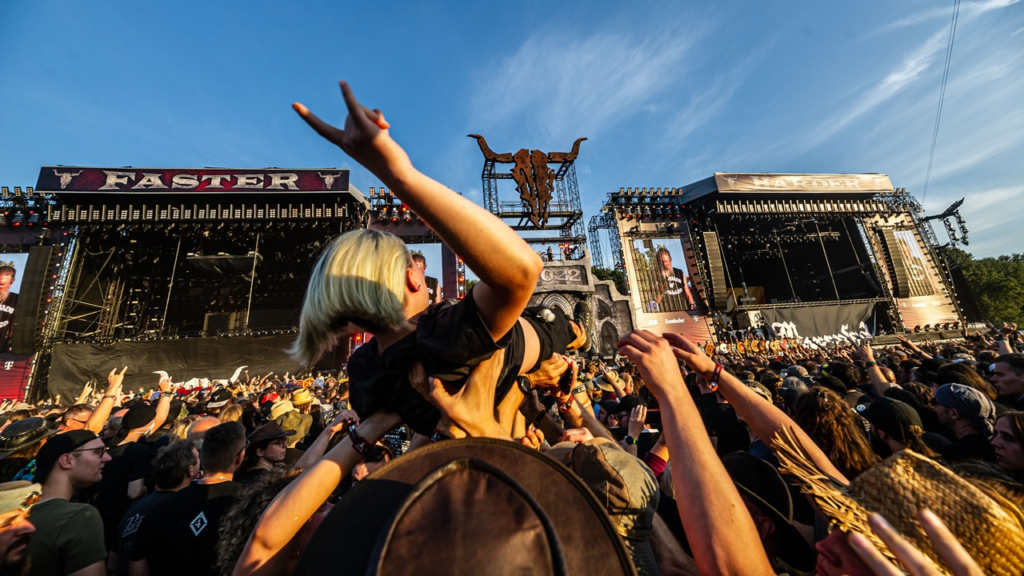
Perceptions of being overshadowed often stem from expectations. As one of the earliest festivals to achieve global scale, Wacken set standards that others now meet or exceed in specific areas. Yet its value lies not solely in competing on production metrics but in maintaining a coherent identity over time.
Legacy: a community beyond generations
Wacken’s legacy is measured not only in numbers but in lived experiences. For many attendees, it is an annual ritual passed down across generations. Audience loyalty has been built on a foundation of trust and shared identity.
Bands that have performed there have both solidified careers and launched new ones. The interaction between artists and audiences, facilitated by the festival’s structure, strengthens the broader scene.
It has also reshaped global perceptions of metal. Wacken demonstrates that the genre can sustain large-scale events, attract diverse audiences, and generate significant economic impact. In a live music environment marked by constant challenges, its continuity signals resilience.
The future: balancing tradition and adaptation
Looking forward requires acknowledging both strengths and pressures. Wacken must continue adapting to technological shifts, sustainability demands, and evolving audience expectations. Competition will persist, and innovation will remain necessary.
Yet its history suggests a capacity for adaptation that should not be underestimated. From its modest beginnings to its global stature, Wacken has repeatedly reinvented itself while preserving its core identity. That balance between tradition and flexibility will be critical.
Ultimately, Wacken Open Air is more than a festival. It is a space where metal is collectively lived, where the genre’s identity is continuously negotiated, and where a global community finds convergence. Its relevance does not depend solely on market position but on its enduring role as a gathering point for a culture that continues to evolve.