

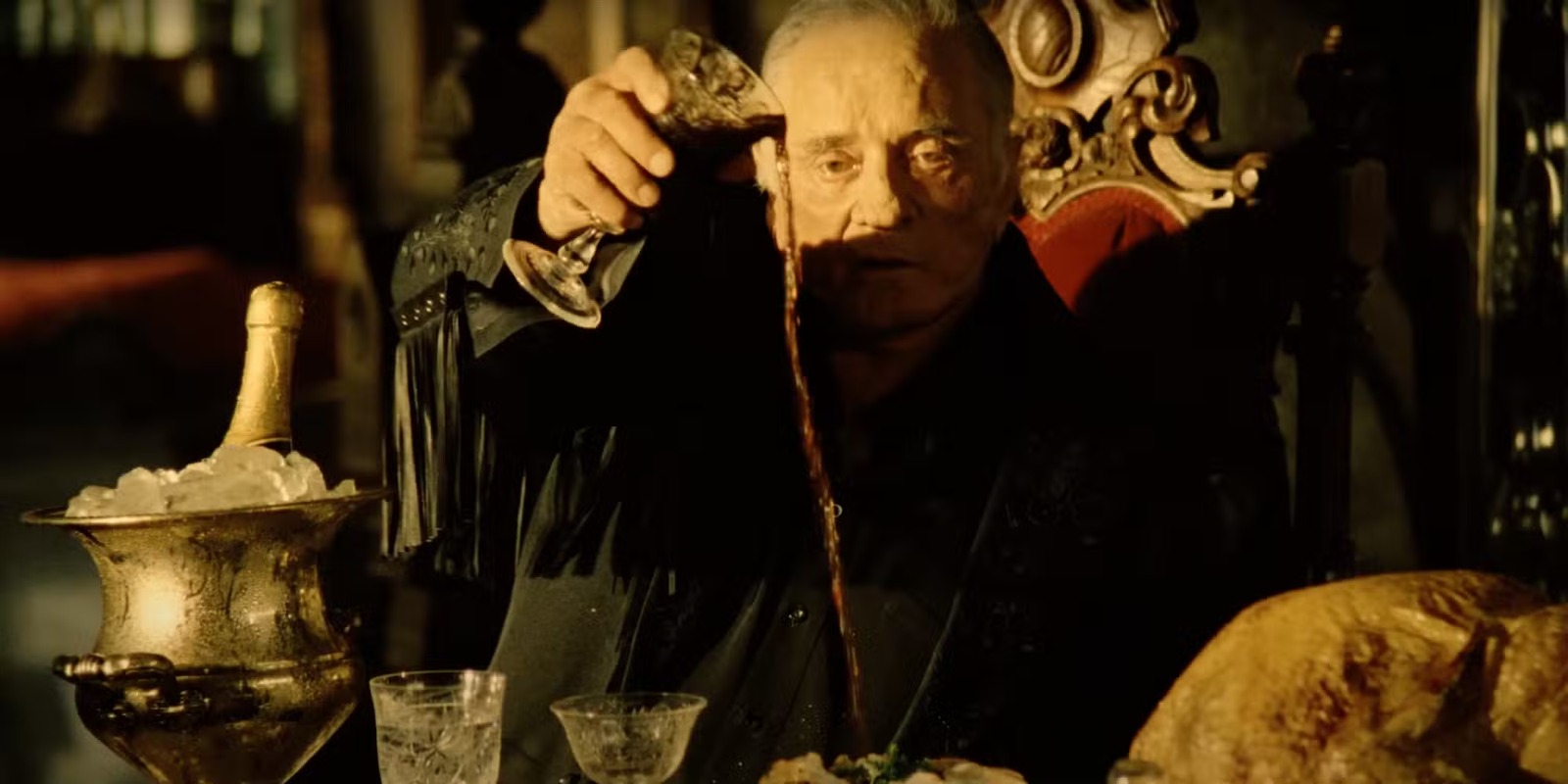
There is a major difference between performing a cover and completely reconstructing a song until it becomes emotionally unrecognizable from its original form. Metal understood that distinction earlier than most genres. Over the decades, many bands realized that reinterpretation could function as something much more ambitious than tribute or nostalgia. A song could be dismantled, emotionally reframed and rebuilt through a completely different sonic language.
That is why some of the most important covers in heavy music came from places that initially seemed incompatible with metal culture. Folk music, synth-pop, industrial electronics, mainstream pop and soft rock all became raw material for bands interested in extracting darker emotions hidden beneath polished production or commercial accessibility. In several cases, the reinterpretations ended up becoming more culturally visible than the originals for younger audiences.
What makes these songs important is not simply the addition of distortion, heavier drums or aggressive vocals. The best metal covers reveal emotional dimensions that were already present inside the compositions but had never been fully explored. Some uncovered melancholy where listeners previously heard romance. Others transformed introspection into menace, or nostalgia into psychological collapse. At their best, these reinterpretations stopped functioning as covers entirely and became independent works with their own identity.
Disturbed — ‘The Sound of Silence’
Original: Simon & Garfunkel (1964)
When Disturbed released their version of “The Sound of Silence” in 2015, the reaction was initially defined by confusion more than excitement. The band had spent years associated with groove-heavy aggression, radio-oriented modern metal and explosive vocal delivery, which made the decision to reinterpret one of the most fragile and introspective folk songs of the 1960s seem almost absurd. The risk was obvious: a heavy-handed approach could easily have turned the song into parody.
What made the cover work was the band’s refusal to force unnecessary heaviness into the composition. David Draiman approached the song with restraint instead of theatrical excess, gradually building emotional tension rather than overwhelming the arrangement. The orchestral production gave the song cinematic scale without destroying its intimacy, allowing the silence and emptiness at the center of the lyrics to feel even more overwhelming than in the original version.
The impact of the reinterpretation quickly expanded far beyond the metal audience. The song dominated streaming platforms, mainstream radio and television appearances, eventually becoming one of the most commercially successful rock covers of the modern era. Younger listeners frequently encountered the Disturbed version before hearing Simon & Garfunkel’s original recording, a rare cultural shift for a composition so historically iconic. Even Paul Simon publicly praised the reinterpretation, effectively validating the band’s unexpected artistic gamble.
Johnny Cash — ‘Hurt’
Original: Nine Inch Nails (1994)
Nine Inch Nails originally presented “Hurt” as the emotional collapse at the center of The Downward Spiral, a record consumed by addiction, self-destruction and psychological deterioration. Trent Reznor’s version already felt painfully intimate, largely because of its stripped-down industrial production and emotionally exhausted vocal performance. Even before Johnny Cash recorded it, the song carried an almost unbearable sense of isolation and emotional ruin.
Cash’s reinterpretation completely transformed the emotional perspective of the composition without significantly changing the lyrics themselves. In his hands, the song no longer sounded like internal collapse from a younger perspective. It became something closer to an aging man confronting mortality, regret and physical decline in real time. His voice sounded fragile, damaged and human in a way that fundamentally altered the meaning of every line.
The accompanying music video intensified that emotional shift even further through imagery associated with memory, aging and decay. Trent Reznor later admitted that watching the video felt deeply unsettling because the song no longer emotionally belonged to him after hearing Cash’s interpretation. Although “Hurt” exists outside traditional metal, very few songs have had such a profound influence across industrial, gothic and alternative heavy music culture during the last two decades.
Marilyn Manson — ‘Tainted Love’
Original: Soft Cell (1981)
Even in its original synth-pop form, “Tainted Love” already carried emotional discomfort beneath its danceable surface. Soft Cell’s version revolved around emotional detachment, romantic exhaustion and artificial intimacy, themes that naturally aligned with the industrial and gothic aesthetics Marilyn Manson had spent years cultivating. The song did not need to be radically reinvented. It simply needed someone willing to amplify its coldness and emotional decay.
Manson’s interpretation replaced much of the original’s electronic elegance with distorted guitars, mechanical production and a deliberately cynical vocal performance. Instead of emphasizing melancholy, the song became claustrophobic and emotionally hostile, perfectly matching the hyper-stylized industrial atmosphere dominating alternative music television during the early 2000s. The artificiality embedded in the original composition suddenly became much more visible once filtered through Manson’s aesthetic.
Over time, the reinterpretation became inseparable from Marilyn Manson’s public identity during his commercial peak. Many listeners eventually discovered that the song had not originally belonged to the band at all, which speaks to how successfully the cover absorbed itself into Manson’s visual and musical language. More than a soundtrack contribution or nostalgic tribute, “Tainted Love” became one of the defining industrial crossover moments of its era.
Lacuna Coil — ‘Enjoy The Silence’
Original: Depeche Mode (1990)
The relationship between gothic metal and Depeche Mode has always been much deeper than many listeners realize. Long before countless European metal bands embraced distorted guitars and darker production, many of them grew up surrounded by melancholic synth-pop, post-punk and electronic music built around emotional distance and atmospheric tension. “Enjoy the Silence” already possessed the emotional architecture that gothic metal would later adopt naturally, making Lacuna Coil’s reinterpretation feel less like an experiment and more like an inevitable continuation.
What made the Italian band’s version particularly effective was its refusal to overcomplicate the original composition. Rather than transforming the song into something aggressively heavy, Lacuna Coil focused on preserving its emotional restraint. Cristina Scabbia and Andrea Ferro approached the vocals with careful balance, allowing the atmosphere to remain elegant and melancholic even while the guitars added density and weight. The band understood that the power of the song came from emotional space and tension, not excess.
Over time, the cover became one of Lacuna Coil’s most recognizable crossover moments outside the gothic metal community. It also reinforced the long-standing cultural connection between dark electronic music and European heavy music scenes. Depeche Mode’s influence had always existed beneath the surface of gothic and industrial metal, but covers like this made that connection impossible to ignore. The reinterpretation succeeded because it respected the emotional DNA of the original instead of attempting to overpower it.
Korn — Word Up!
Original: Cameo (1986)
On paper, turning a flamboyant 1980s funk anthem into a nu metal track sounded like an intentionally ridiculous idea. That absurdity was precisely what made Korn interested in doing it. During the early 2000s, nu metal existed in a strange cultural space where hip-hop, alternative rock, electronic music and pop influences constantly collided, and Korn understood that “Word Up!” already possessed the rhythmic energy necessary to survive inside a heavier musical environment.
Instead of mocking the original, the band focused on preserving the groove that made the song memorable in the first place. Jonathan Davis approached the vocals with a mixture of unease and swagger that transformed the playful confidence of Cameo’s version into something much stranger and more psychologically unstable. The guitars became heavier and dirtier, but the song never lost its infectious rhythmic momentum, which allowed the reinterpretation to remain recognizable even while sounding completely different emotionally.
The music video played a major role in helping the cover become one of the defining artifacts of the MTV2 era. Its bizarre imagery and chaotic tone reflected the strange balance between humor, discomfort and aggression that characterized early 2000s alternative metal culture. Years later, “Word Up!” still stands as one of the clearest examples of how nu metal could absorb seemingly incompatible influences without completely sacrificing its own identity.
Seether — ‘Careless Whisper’
Original: George Michael (1984)
Very few people associated “Careless Whisper” with emotional exhaustion or bitterness before Seether reinterpreted it. George Michael’s original version had become culturally inseparable from polished 1980s pop aesthetics, smooth saxophone melodies and romantic sophistication. Seether approached the composition from a completely different emotional perspective, recognizing that beneath all of the production and commercial polish existed a song fundamentally rooted in guilt, regret and emotional collapse.
Shaun Morgan stripped away much of the elegance associated with the original recording and replaced it with a far more raw and emotionally damaged vocal delivery. The instrumentation emphasized heaviness and tension rather than sensuality, fundamentally changing the emotional atmosphere of the composition. Even the absence of the famous saxophone altered the listener’s perception, making the song feel emptier and more emotionally isolated instead of seductive or nostalgic.
Part of what makes the cover so compelling is the realization that the emotional structure of the song remained intact despite the radical stylistic transformation. Seether did not rewrite the composition or dramatically alter its arrangement. They simply exposed darker emotional dimensions that had always existed beneath the original’s polished surface. The result became one of the most unexpectedly effective reinterpretations to emerge from the post-grunge and alternative metal landscape of the 2000s.
Alien Ant Farm — ‘Smooth Criminal’
Original: Michael Jackson (1987)
Covering Michael Jackson presents a unique problem because his songs are often tied so closely to choreography, production style and visual identity that reinterpretation can easily feel unnecessary. “Smooth Criminal” in particular carried one of the most recognizable rhythmic structures of the 1980s. Alien Ant Farm understood that directly competing with the original version would be impossible, so they approached the song from a completely different angle built around youthful chaos and alternative rock energy.
The band preserved the nervous rhythmic tension that made the original so effective while replacing its sleek precision with explosive guitars and a far more reckless atmosphere. Dryden Mitchell’s vocal performance retained some of the theatricality associated with Jackson’s delivery, but filtered it through the loose and energetic identity of early 2000s alternative metal. The result felt playful without becoming parody, which is precisely why the cover resonated so strongly with younger audiences.
The music video helped cement the reinterpretation as a cultural phenomenon by combining homage and irreverence in equal measure. References to Michael Jackson’s visual legacy appeared constantly throughout the video, but the presentation never felt cynical or exploitative. For many listeners who grew up during the MTV2 era, Alien Ant Farm’s version became inseparable from the song itself, effectively giving “Smooth Criminal” a second life within alternative heavy music culture.
Orgy — ‘Blue Monday’
Original: New Order (1983)
By the late 1990s, industrial metal and electronic music had become deeply intertwined culturally and aesthetically. Bands across the alternative landscape were fascinated with futurism, digital alienation and cyberpunk imagery, and few songs captured that atmosphere more effectively than Orgy’s reinterpretation of “Blue Monday.” New Order’s original already sounded cold, mechanical and emotionally detached, which made it an ideal foundation for industrial reinvention.
What separated Orgy’s version from countless other industrial covers was the band’s understanding that the electronic elements needed to remain central to the song’s identity. Instead of burying the synthesizers beneath distorted guitars, Orgy allowed both elements to coexist equally. The result created a sonic texture that felt futuristic without losing accessibility, balancing metallic aggression with electronic melancholy in a way that perfectly reflected alternative culture at the turn of the millennium.
Over time, the reinterpretation became one of the defining crossover moments between industrial metal and dark electronic music. It demonstrated that heavy music could absorb synth-driven aesthetics without sacrificing intensity or atmosphere. Even decades later, “Blue Monday” remains deeply associated with the visual and sonic identity of late 1990s industrial culture, functioning almost like a time capsule from an era obsessed with technology, alienation and digital futurism.
Judas Priest — ‘Diamonds & Rust’
Original: Joan Baez (1975)
Joan Baez originally wrote “Diamonds and Rust” as an intimate and reflective folk composition inspired by memories of her relationship with Bob Dylan. The song depended heavily on emotional vulnerability, acoustic minimalism and lyrical introspection, qualities that initially seemed very distant from the rising heavy metal movement of the late 1970s. Judas Priest recognized something different inside the composition: beneath its softness existed emotional intensity powerful enough to survive transformation into a completely different sonic environment.
The band’s reinterpretation expanded the dramatic qualities of the song without destroying its emotional core. Glenn Tipton and K.K. Downing reshaped the arrangement around heavier guitars and a much larger sonic presence, while Rob Halford approached the vocals with theatrical intensity rather than straightforward aggression. His performance preserved the melancholy and emotional tension of the lyrics, allowing the song to feel emotionally human even while existing inside a fully developed heavy metal framework.s
The importance of the cover extended beyond the song itself because it demonstrated that heavy metal could reinterpret emotionally sophisticated material without reducing it to caricature. Judas Priest helped broaden the perception of what metal could communicate artistically during an era when the genre was still fighting for legitimacy outside underground circles. Decades later, “Diamonds and Rust” remains one of the clearest examples of how metal can absorb deeply personal songwriting without sacrificing either emotional depth or sonic power.
Metallica — ‘Turn The Page’
Original: Bob Seger (1973)
By the time Metallica recorded “Turn the Page” for Garage Inc., the band had already spent decades living the exact lifestyle described in Bob Seger’s original lyrics. The song revolves around exhaustion, isolation and emotional fatigue created by endless touring, subjects that Metallica understood through direct experience rather than abstract admiration. That connection gave the reinterpretation a sense of authenticity that extended far beyond nostalgia or tribute.
James Hetfield approached the vocals with a level of emotional weariness that fundamentally changed the atmosphere of the composition. Where Seger’s version carried reflective sadness, Metallica’s interpretation felt heavier, darker and physically exhausted. The instrumentation added dramatic weight without overwhelming the emotional center of the song, allowing the loneliness and psychological repetition described in the lyrics to feel even more oppressive inside a metallic context.
The music video expanded those themes by focusing on exploitation, emotional isolation and personal degradation within the nightlife industry. That visual approach transformed the song into something much more uncomfortable and emotionally bleak than the original recording. Over time, the cover became one of the most respected moments in Metallica’s long history of reinterpretations because it connected the band’s own reality directly to the emotional experience embedded in Seger’s songwriting.
Type O Negative — ‘Summer Breeze’
Original: Seals & Crofts (1972)
The original version of “Summer Breeze” belonged completely to the world of 1970s soft rock, built around warmth, nostalgia and relaxed emotional intimacy. Peter Steele heard something entirely different inside the composition. Instead of focusing on comfort or romantic calm, Type O Negative recognized the haunting atmosphere hidden beneath the melody and transformed the song into something heavy, mournful and almost funerary in tone.
The reinterpretation slowed the tempo dramatically and surrounded the arrangement with deep bass lines, gothic keyboards and suffocating layers of atmosphere. Steele’s voice added emotional gravity that fundamentally altered the listener’s relationship with the lyrics. What once sounded reflective and peaceful suddenly felt melancholic and emotionally decayed, as though the song were remembering happiness from an impossibly distant place.
The reinterpretation slowed the tempo dramatically and surrounded the arrangement with deep bass lines, gothic keyboards and suffocating layers of atmosphere. Steele’s voice added emotional gravity that fundamentally altered the listener’s relationship with the lyrics. What once sounded reflective and peaceful suddenly felt melancholic and emotionally decayed, as though the song were remembering happiness from an impossibly distant place.
Children of Bodom — ‘Oops! I did it Again’
Original: Britney Spears (2000)
Many metal covers of mainstream pop songs rely entirely on irony, novelty or exaggerated mockery, which often causes them to lose impact very quickly. Children of Bodom approached “Oops!... I Did It Again” differently. While the humor behind transforming a Britney Spears hit into melodic death metal was obviously intentional, the band treated the composition seriously enough from a musical perspective that the reinterpretation remained compelling long after the initial joke faded.
Alexi Laiho recognized that the original song already possessed an extremely efficient melodic structure capable of surviving dramatic stylistic transformation. Instead of burying the composition beneath chaos, the band amplified its hooks through aggressive guitar work, hyper-technical lead playing and rapid rhythmic shifts characteristic of melodic death metal during that era. The result sounded simultaneously absurd, impressive and strangely natural once the arrangement fully unfolded.
The cover also reflected a broader cultural shift happening inside metal during the early 2000s. Younger bands were becoming increasingly willing to engage openly with mainstream pop culture without feeling threatened by it artistically. Children of Bodom did not perform the song to prove superiority over pop music; they performed it because they understood that strong songwriting can survive almost any genre transformation when approached creatively and confidently enough.
Fear Factory — ‘Cars’
Original: Gary Numan (1979)
Gary Numan’s influence on industrial and alternative heavy music is far more significant than mainstream rock history usually acknowledges. Long before industrial metal became commercially visible during the 1990s, Numan was already exploring themes of technological alienation, emotional isolation and mechanical identity through cold electronic minimalism. Fear Factory understood that legacy completely, which is why their reinterpretation of “Cars” felt more like historical recognition than stylistic experimentation.
The collaboration became even more meaningful because Gary Numan himself participated in the recording, creating a direct connection between two generations of futuristic dark music. Fear Factory preserved the detached atmosphere of the original composition while surrounding it with crushing industrial guitars and mechanized rhythmic precision. Burton C. Bell’s vocals maintained the robotic emotional distance associated with Numan’s style, allowing the reinterpretation to feel authentic rather than forced.
Beyond its musical success, the cover played an important cultural role by introducing younger metal audiences to Gary Numan’s catalog and broader influence. Many listeners discovered the origins of industrial aesthetics through Fear Factory’s version of “Cars.” The song helped reinforce the idea that industrial metal was not simply an extension of traditional heavy metal, but also the product of decades of electronic experimentation centered around technology, alienation and emotional disconnection.
Ghost — ‘Jesus He Knows Me’
Original: Genesis (1991)
When Genesis released “Jesus He Knows Me” in the early 1990s, the song functioned as a sharp critique of televangelism, media manipulation and the commercialization of religion. Beneath its bright pop-rock structure and catchy chorus existed a surprisingly cynical perspective on religious spectacle and public exploitation. Over the decades, the themes explored in the lyrics only became more culturally relevant, which is precisely why the composition fit so naturally into Ghost’s artistic universe years later.
Tobias Forge approached the reinterpretation with a clear understanding that the original message did not need major reinvention. Instead of radically rewriting the song, Ghost intensified its darker implications through heavier instrumentation, theatrical delivery and a much more sinister atmosphere. The guitars added dramatic weight while the vocal performance transformed the sarcastic undertones of the original into something manipulative and faintly threatening, perfectly aligned with Ghost’s fascination with ritual, performance and religious imagery.
Part of the reason the cover resonated so strongly with modern audiences is that it never felt disconnected from Ghost’s identity. The song seemed entirely believable within the band’s discography because it explored themes already central to their work: spectacle, devotion, hypocrisy and mass persuasion. Rather than functioning as a nostalgic tribute to Genesis, the reinterpretation operated like a contemporary extension of the original critique, proving how little the relationship between religion, media and performance culture has actually changed.
Rammstein — ‘Stripped’
Original: Depeche Mode (1986)
The connection between dark electronic music and European industrial metal has always been stronger than many people outside those scenes fully realize. Long before Rammstein became an international phenomenon, bands like Depeche Mode were already exploring themes of mechanical intimacy, emotional detachment and repetitive hypnotic atmosphere through electronic music. “Stripped” embodied many of those characteristics, making it an ideal composition for reinterpretation through the harsher physicality of industrial metal.
Rammstein avoided the obvious mistake of simply turning the song into a louder, heavier version of the original. Instead, the band amplified the tension and physical presence already embedded in the composition. The guitars added oppressive weight while the percussion adopted an almost militaristic pulse that intensified the song’s hypnotic structure. Till Lindemann’s deep vocal delivery transformed the electronic sensuality of Depeche Mode into something colder, darker and far more intimidating without losing the emotional restraint that made the original compelling.
The cover also captured an important transitional moment within European alternative music culture during the late 1990s. Industrial metal was beginning to establish its own identity globally, but it still carried obvious traces of post-punk, synth-pop and electronic experimentation from previous decades. “Stripped” works almost like a historical bridge between those worlds, demonstrating how Rammstein absorbed electronic melancholy and transformed it into something monumental, mechanical and unmistakably German in character.
Tool — ‘You Lied’
Original: Peach (1993)
Unlike many songs on this list, “You Lied” did not originate in mainstream pop, folk or electronic music. The track originally belonged to Peach, the British band where Justin Chancellor played before joining Tool. That personal connection gave the reinterpretation additional significance because it represented more than admiration for another artist’s work. In many ways, the song functioned as a subtle bridge between Chancellor’s musical past and Tool’s increasingly atmospheric and psychologically intense direction during the late 1990s.
Tool approached the composition with remarkable patience and restraint. Rather than relying on explosive heaviness or technical excess, the band built tension gradually through repetition, atmosphere and rhythmic instability. Adam Jones layered the arrangement with unsettling textures and suspended guitar tones that created constant emotional discomfort, while Danny Carey’s drumming manipulated pacing in a way that felt hypnotic rather than conventionally aggressive. The result was emotionally oppressive without ever becoming theatrically dramatic.
Maynard James Keenan’s vocal performance played a major role in redefining the emotional identity of the song. Instead of expressing anger openly, he delivered the lyrics with controlled bitterness and psychological exhaustion, making the composition feel deeply internalized and emotionally suffocating. Over time, “You Lied” became one of the most respected hidden gems within Tool’s extended catalog because it encapsulated so many characteristics that defined the band’s creative identity: restraint, tension, atmosphere and emotional unease built slowly rather than violently.