


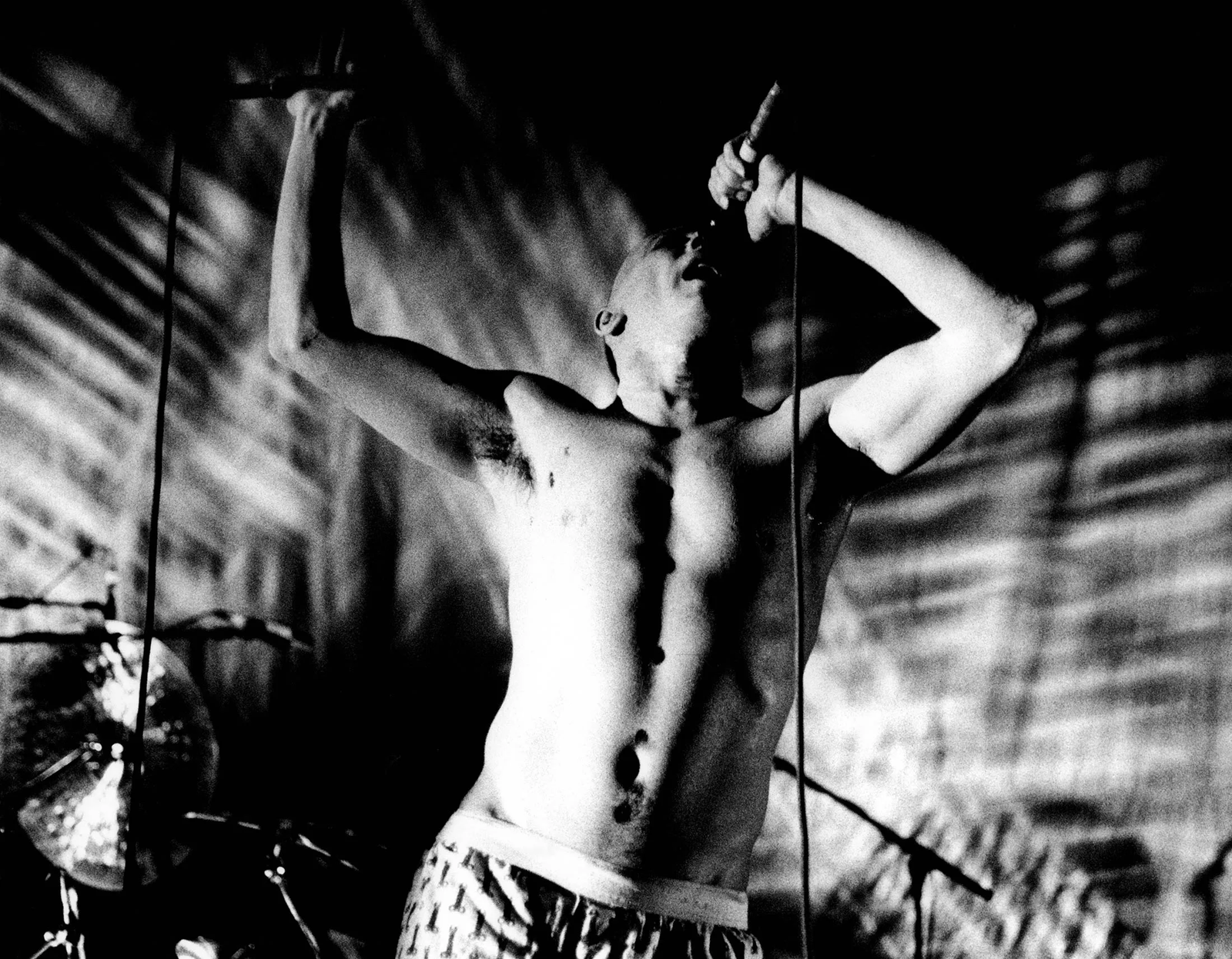
Hablar de Maynard James Keenan desde una perspectiva estrictamente musical es insuficiente. Su obra, particularmente dentro de Tool y A Perfect Circle, funciona como un archivo emocional en el que los acontecimientos más determinantes de su vida no se narran de forma directa, sino fragmentada, desplazada, reinterpretada a lo largo de los años. Pocas historias dentro del rock contemporáneo han sido procesadas con tal nivel de exposición y al mismo tiempo con tanto cuidado estructural como la relación entre Maynard y su madre, Judith Marie, quien sufrió un aneurisma cerebral que la dejó paralizada durante décadas. Ese evento no sólo marcó su infancia, sino que se convirtió en un eje que atravesó distintas etapas creativas, generando una serie de composiciones que, vistas en conjunto, permiten reconstruir una evolución emocional compleja, contradictoria y profundamente humana.
“Jimmy”, “Judith” y “Wings for Marie” no fueron concebidas como una trilogía. No responden a una narrativa planificada ni a un concepto unificado desde su origen. Sin embargo, el paso del tiempo las ha colocado en diálogo constante, revelando un proceso de duelo que no se resolvió en un solo momento, sino que se extendió durante años, adaptándose a la madurez, a la distancia y a la transformación interna del propio autor. Cada una pertenece a una etapa distinta de su vida, y cada una responde a una forma diferente de entender el mismo hecho: la enfermedad de su madre y las implicaciones emocionales, espirituales y psicológicas que derivaron de ella.
El punto de partida es inevitablemente “Jimmy”, incluida en Ænima de Tool. Aquí no existe aún una intención de explicar o de ordenar la experiencia. La canción se sitúa en un terreno mucho más primario, donde el lenguaje todavía no alcanza para procesar lo ocurrido. La referencia a la edad —once años— no es un detalle menor, sino el núcleo desde el cual se construye toda la pieza. Ese número se convierte en una coordenada emocional que define el momento exacto en el que la realidad se fractura. No se trata únicamente de la enfermedad de su madre, sino del impacto que ese evento tiene en la construcción de identidad de un niño que pierde, de forma abrupta, la estabilidad emocional que define la infancia.
En “Jimmy”, la figura materna aparece como una ausencia más que como una presencia. No hay descripción de su condición ni reflexión sobre su estado. Lo que se percibe es el vacío que deja su transformación. La madre sigue ahí, pero ya no cumple el mismo rol. Esa ambigüedad —presencia física, ausencia funcional— genera un tipo de trauma particular, uno que no se articula fácilmente porque no encaja en categorías convencionales de pérdida. No hay muerte, pero tampoco hay continuidad. El mundo no se detiene, pero tampoco sigue siendo reconocible. La canción captura ese estado intermedio sin intentar resolverlo, recurriendo a imágenes fragmentadas, a una narrativa discontinua que refleja la imposibilidad de ordenar la experiencia desde una perspectiva infantil.
“Once años y ella ya no estaba… once fue cuando dijimos adiós…”
El paso hacia “Judith”, publicada años después en Mer de Noms de A Perfect Circle, marca un cambio significativo. La distancia temporal permite una mayor claridad, pero esa claridad no conduce a la paz, sino a la confrontación. Si en “Jimmy” predominaba la confusión, en “Judith” emerge la rabia como una forma de organización emocional. La canción está dirigida directamente a su madre, lo cual introduce una dimensión distinta: ya no se trata únicamente de procesar un evento, sino de posicionarse frente a otra persona cuya respuesta ante ese evento resulta incomprensible.
La fe de Judith Marie ocupa un lugar central en esta etapa. Para Maynard, la persistencia de esa fe frente al sufrimiento extremo no se percibe como un acto de fortaleza, sino como una contradicción intolerable. La lógica que articula la canción no busca reconciliar, sino evidenciar esa contradicción. La idea de un Dios que permite el dolor de alguien profundamente devoto se convierte en un punto de fricción que atraviesa toda la pieza. La agresividad del lenguaje no es gratuita; responde a una necesidad de romper con una narrativa que, desde su perspectiva, no ofrece respuestas satisfactorias.
“Que se jodan tu Dios, tu Señor y tu Cristo… Él hizo esto… tomó todo lo que tenías y te dejó así…”
Traducidas, estas líneas pierden algo de su ritmo original, pero mantienen la carga emocional intacta. No hay matices ni ambigüedades: es una acusación directa, tanto hacia la figura divina como hacia la lógica que la sostiene.
Lo que hace particularmente compleja a “Judith” es que la confrontación no se limita al ámbito religioso. También involucra una tensión emocional entre madre e hijo. Maynard no sólo cuestiona la fe de su madre, sino la forma en que esa fe condiciona su manera de enfrentar la realidad. Existe una sensación de distancia, de desconexión, que se construye a partir de la incapacidad de compartir un mismo marco interpretativo. Mientras ella encuentra sentido en la religión, él percibe ese mismo sistema como una fuente de frustración. Esa diferencia no se resuelve dentro de la canción; se mantiene como un conflicto abierto que define la relación en ese momento específico de su vida.
La evolución hacia “Wings for Marie (Pt. 1)” y “10,000 Days (Wings Pt. 2)”, incluidas en 10,000 Days, introduce una perspectiva completamente distinta. Aquí el tiempo ya no funciona como un factor de intensificación del conflicto, sino como un espacio que permite la reconfiguración del recuerdo. La muerte de su madre establece un punto de cierre que no había existido en las etapas anteriores, y ese cierre modifica la manera en que se interpretan los años previos.
En estas composiciones, la figura de Judith deja de ser un objeto de cuestionamiento para convertirse en un referente de resistencia. La fe que antes generaba rechazo ahora es observada desde otro ángulo, no necesariamente como una verdad compartida, sino como una herramienta que le permitió sostenerse durante un periodo prolongado de sufrimiento. Este cambio de perspectiva no implica una conversión religiosa ni una aceptación de las creencias que antes criticaba. Lo que se transforma es la valoración de la experiencia ajena.
“Tráeme el espíritu, el hijo y el padre…”
“Dame mis alas…Tan aferrado como estoy a mis formas y a mi arrogancia…”
Aquí el lenguaje ya no apunta hacia afuera, sino hacia adentro: hay reconocimiento, incluso una revisión crítica de su propia postura anterior.
El tono de “Wings for Marie” y “10,000 Days” es contemplativo, pero no distante. Existe una carga emocional evidente que se expresa a través de una narrativa más estructurada, menos fragmentada que en etapas anteriores. La duración de las piezas, su desarrollo progresivo y la manera en que construyen clímax musicales reflejan una intención de profundizar en el significado de lo ocurrido, no desde la urgencia, sino desde la reflexión.

Uno de los elementos más relevantes en esta etapa es la noción de tiempo. Los 10,000 días no funcionan únicamente como una referencia cuantitativa al periodo de enfermedad, sino como un símbolo de permanencia, de resistencia prolongada. La cifra adquiere un peso conceptual que redefine la experiencia: ya no se trata de un evento aislado, sino de un proceso extendido que atravesó distintas etapas de la vida de ambos. La duración se convierte en una dimensión fundamental para entender la magnitud del sacrificio y la complejidad del vínculo.
La relación entre estas tres obras permite observar cómo el mismo acontecimiento puede ser reinterpretado de formas radicalmente distintas a lo largo del tiempo. En la infancia, el énfasis recae en la pérdida y la desorientación. En la adultez temprana, la atención se desplaza hacia la búsqueda de sentido y la confrontación con sistemas de creencias. En la madurez, emerge una capacidad de comprensión que no elimina el dolor, pero sí modifica su significado.
Este proceso no es lineal ni implica una superación definitiva. Las tensiones que aparecen en “Judith” no desaparecen por completo en “Wings for Marie”; se integran en una narrativa más amplia que reconoce la coexistencia de emociones contradictorias. La admiración por la resistencia de su madre no borra las dudas sobre la religión, así como la rabia inicial no invalida el vínculo afectivo. La obra de Maynard se caracteriza precisamente por esa capacidad de sostener múltiples perspectivas sin reducirlas a una conclusión única.
Dentro del contexto de Tool, estas composiciones adquieren una dimensión adicional. La banda ha construido una estética basada en la exploración de estados emocionales y psicológicos complejos, y la inclusión de piezas como “Wings for Marie” refuerza esa identidad. No se trata únicamente de canciones personales, sino de aportaciones que amplían el alcance temático del grupo, incorporando elementos de introspección que trascienden lo autobiográfico.
En el caso de A Perfect Circle, “Judith” cumple una función distinta. Al formar parte de un proyecto paralelo, la canción se percibe como una declaración más directa, menos mediada por la estética colectiva de Tool. Esto permite una expresión más frontal del conflicto, sin la necesidad de integrarlo en una estructura conceptual más amplia. La diferencia entre ambos proyectos contribuye a la diversidad de enfoques con los que Maynard aborda el mismo tema.
Si hacemos un análisis conjunto de “Jimmy”, “Judith” y “Wings for Marie” revela que la música de Keenan no busca ofrecer respuestas definitivas, sino registrar un proceso de transformación. Cada canción captura un momento específico en la evolución de su relación con el dolor, con la fe y con la memoria de su madre. La distancia entre ellas no sólo es temporal, sino también conceptual, lo que permite observar cómo cambian las prioridades, las preguntas y las formas de entender una misma experiencia.
Este tipo de narrativa, distribuida a lo largo de diferentes álbumes y proyectos, exige una escucha atenta y contextualizada. No se trata de interpretar cada canción de forma aislada, sino de reconocer las conexiones que se establecen entre ellas. Al hacerlo, se construye una imagen más completa de un proceso que, aunque profundamente personal, encuentra resonancia en experiencias universales relacionadas con la pérdida, la enfermedad y la búsqueda de sentido.