





La trayectoria de Architects no puede entenderse únicamente a través de riffs, breakdowns o métricas de popularidad. Su discografía es, ante todo, una narrativa en constante transformación, donde cada álbum funciona como un capítulo de evolución artística y, en ciertos momentos, como testimonio de experiencias profundamente humanas.
A lo largo de los años, la crítica especializada ha coincidido en señalar un núcleo de discos que no solo destacan por su calidad individual, sino por su papel dentro de una progresión clara: el paso de una banda técnica del underground a un referente global capaz de equilibrar agresividad, emoción y discurso. Este consenso no surge de una sola fuente, sino de una lectura acumulativa de reseñas, rankings y recepción sostenida en el tiempo.
Bajo ese enfoque, estos cinco álbumes no solo representan lo mejor de Architects, sino la estructura misma de su identidad.
Hollow Crown [2009]

El punto de partida de esta lista es también el origen de todo. Hollow Crown aparece en la última posición no por falta de mérito, sino porque su relevancia se entiende mejor desde una perspectiva histórica que comparativa. En el contexto de su lanzamiento, el álbum consolidó a Architects como una de las propuestas más intensas dentro de la escena underground, destacando por una aproximación técnica cercana al mathcore y una agresividad sin concesiones.
Sin embargo, visto desde el presente, la crítica coincide en que aún se trata de una banda en búsqueda de identidad. La complejidad rítmica y la energía desbordada dominan el discurso, pero todavía no existe el equilibrio que caracterizaría sus trabajos posteriores.
Daybreaker [2012]

Con Daybreaker, Architects comienza a alejarse de su etapa más caótica para explorar una identidad más amplia. Su posición en este ranking refleja su naturaleza transicional: no es aún la banda completamente definida que aparecería más adelante, pero ya contiene los elementos que la crítica identificaría como esenciales.
Aquí surge por primera vez una intención clara de incorporar contenido social y político, algo que posteriormente se volvería central en su discurso. Musicalmente, el álbum introduce dinámicas más abiertas y un mayor énfasis en la atmósfera, marcando un contraste con la rigidez técnica de sus trabajos previos.
Lost Forever // Lost Together (2014)

El verdadero punto de inflexión llega con Lost Forever // Lost Together, un álbum que la crítica reconoce de forma casi unánime como el nacimiento del Architects moderno. Su posición en el ranking responde a su papel estructural dentro de la discografía: es el disco que redefine las reglas internas de la banda.
En este trabajo, la complejidad técnica no desaparece, pero se reorganiza en función de una mayor claridad compositiva. Las canciones adquieren una contundencia inmediata sin perder profundidad, lo que permite a la banda ampliar su alcance sin diluir su identidad. Este equilibrio entre accesibilidad y agresividad no solo redefinió su sonido, sino que influyó directamente en la evolución del metalcore durante la década.
Holy Hell (2018)
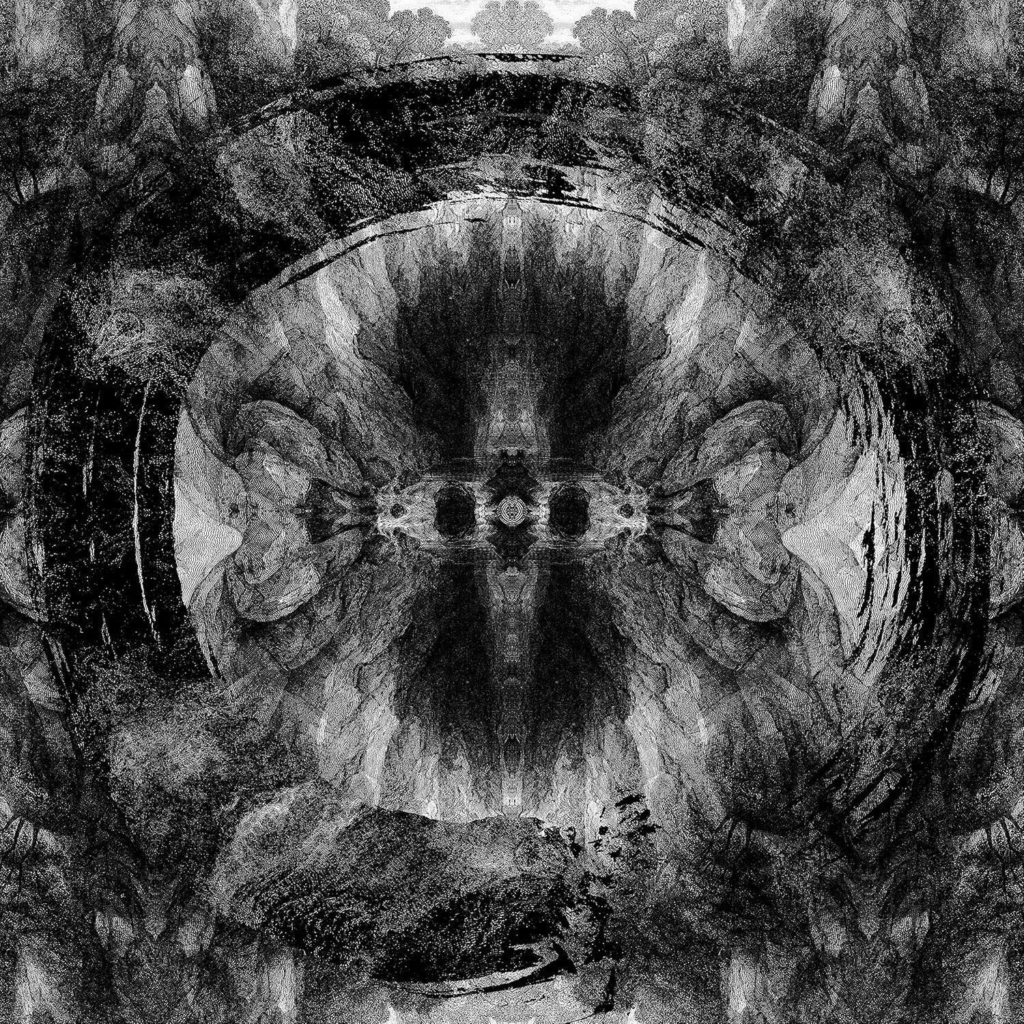
Tras la muerte de Tom Searle, la continuidad de Architects parecía incierta, pero este disco no solo respondió a esa incertidumbre, sino que consolidó a la banda en un nuevo nivel artístico.
La crítica ha destacado la forma en que el álbum canaliza el duelo sin perder coherencia musical. En lugar de romper con el pasado, Holy Hell lo asimila y lo transforma en una obra que mantiene la intensidad característica de la banda, pero con una carga emocional mucho más evidente. Esta capacidad para reconstruirse sin perder identidad es lo que justifica su posición entre los mejores trabajos de su carrera.
All Our Gods Have Abandoned Us (2016)
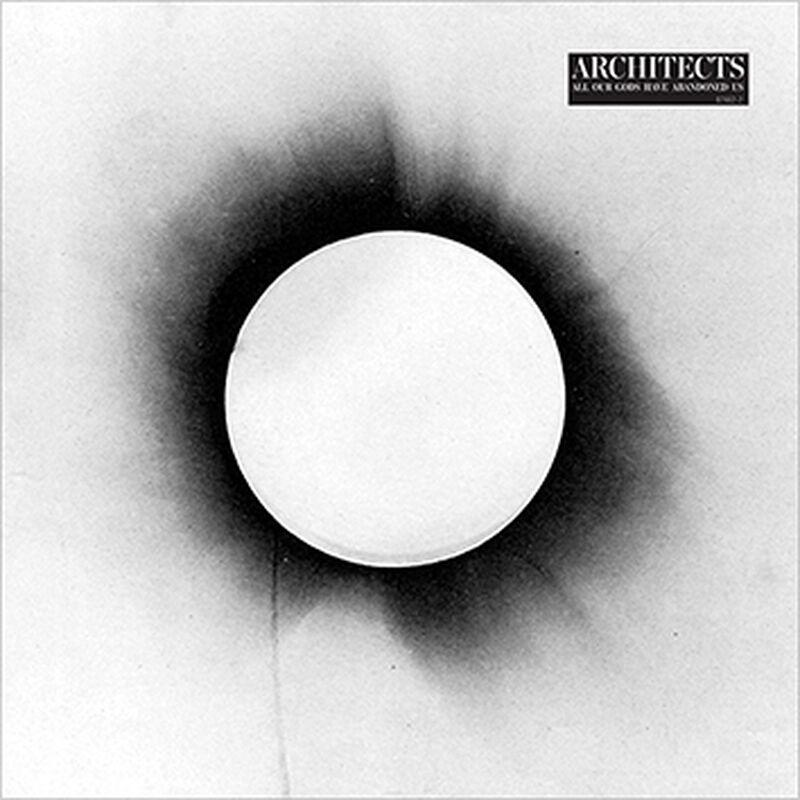
Este álbum es percibido como la culminación de todo lo que Architects había venido desarrollando desde años atrás. La agresividad, la melodía y la carga lírica alcanzan aquí un equilibrio que rara vez se logra dentro del género. La crítica ha subrayado especialmente la intensidad emocional del disco, entendida no como un recurso estético, sino como una expresión genuina que atraviesa toda la obra.
Lo que lo distingue del resto no es solo su ejecución, sino su capacidad para funcionar como síntesis. En él convergen todas las etapas previas de la banda, desde la complejidad técnica de sus inicios hasta la madurez compositiva de su etapa más reciente.
El recorrido de Architects, visto a través de estos cinco discos, revela una evolución que pocas bandas logran sostener con tanta claridad. Desde los cimientos de Hollow Crown hasta la culminación de All Our Gods Have Abandoned Us, cada álbum cumple una función específica dentro de una narrativa mayor.
Más que una lista de mejores trabajos, este ranking expone una progresión donde la identidad de la banda se construye paso a paso, atravesando cambios estilísticos, exploraciones temáticas y momentos personales determinantes. En ese trayecto, Architects no solo encontró su sonido, sino que contribuyó a redefinir los límites del metalcore contemporáneo.