



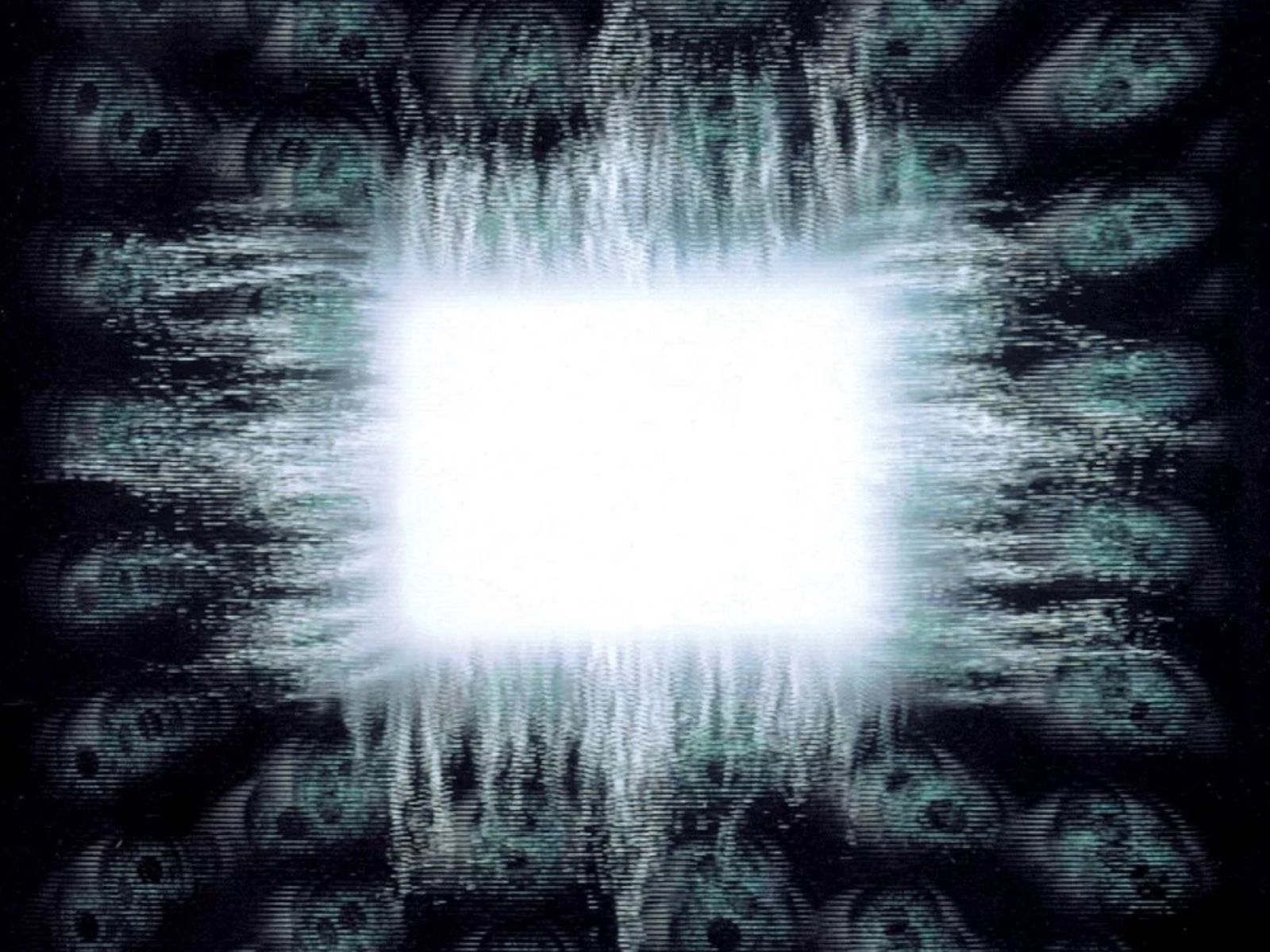
Released on September 17, 1996, Ænima was Tool’s second studio album and the work that established the band as one of the most ambitious acts in 1990s metal. The record was released through Zoo Entertainment and recorded between 1995 and 1996 in studios located in Hollywood and North Hollywood, with production handled by the band alongside producer David Bottrill.
The album also marked a decisive moment in Tool’s lineup. It was the first record featuring bassist Justin Chancellor, who joined the band in 1995 following the departure of Paul D’Amour, who had played on the debut album Undertow (1993). Chancellor’s arrival profoundly reshaped the band’s sound. His rhythmic and melodic approach allowed the compositions to become longer and more complex, pushing Tool further into progressive territory.
The impact of the album was immediate. Ænima debuted at number 2 on the Billboard 200, selling approximately 148,000 copies in its first week in the United States. Over the years, the album achieved triple platinum certification and became one of the most influential alternative metal records of the 1990s. In 1998, the song “Ænema” received the Grammy Award for Best Metal Performance.
However, beyond its commercial success, Ænima stands out for its conceptual ambition. The album was not conceived as a simple collection of heavy songs, but as a work that explores personal and cultural transformation through the confrontation with the most uncomfortable aspects of contemporary society.
The meaning of the title
The album’s title itself provides a central clue to its concept. Ænima functions as a wordplay between “anima,” a Latin term associated with the soul and with the analytical psychology of Carl Jung, and “enema,” a medical procedure related to cleansing the body.
The combination suggests a provocative metaphor: a cultural and spiritual purge. The album proposes that evolution—both individual and collective—requires removing what has become toxic or stagnant. It is not an idealized spiritual vision, but rather a process of transformation that involves discomfort, crisis and confrontation.
In that sense, the entire record revolves around a single thematic axis: evolution through rupture.
Evolution and desensitization
One of the recurring themes in Ænima is the idea that modern society has lost sensitivity. Tool portrays an environment saturated with stimuli, consumerism and media superficiality.
This diagnosis appears strongly in “Stinkfist,” the album’s first single. Although the song uses provocative imagery, its meaning points toward emotional desensitization. The band describes how contemporary culture requires increasingly extreme stimuli in order to feel something real. Excess stops being pleasure and becomes a symptom of a society that has lost its ability to feel.
In “Eulogy,” the criticism turns toward public figures who build power through charisma and ideological manipulation. The song questions how societies elevate certain leaders until they become unquestionable symbols.
Meanwhile, “Forty Six & 2” introduces a deeper psychological dimension. The song has often been interpreted as a reference to the evolution of human consciousness and the integration of the “shadow,” a concept from Jungian psychology that describes the repressed aspects of personality. Within the album’s context, the message suggests that personal growth requires acknowledging the darker parts of the self.
Bill Hicks and critical awareness
A fundamental figure within the conceptual universe of Ænima was American comedian Bill Hicks, who died in 1994. Tool dedicated the album to his memory and included fragments of his voice within the record, particularly in the introduction of “Third Eye.”
Hicks was known for his criticism of consumerism, media manipulation and corporate culture. His thinking resonated with the band’s view that dominant social structures must be questioned.
His presence in the album functions almost like a philosophical guide. His voice introduces the idea that the evolution of consciousness requires questioning dominant narratives and observing reality from a wider perspective.
Apocalypse as metaphor
The song “Ænema” represents one of the album’s most satirical moments. In it, Tool imagines a scenario in which Los Angeles sinks into the ocean, a direct reference to the humorous concept of “Arizona Bay,” popularized by Bill Hicks.
However, the image of disaster should not be interpreted literally. Within the album’s context, the sinking functions as a metaphor for cultural reset. The symbolic destruction of the city represents the need to remove what is superficial and artificial in order to allow something new to emerge.

The famous line “learn to swim” operates within this logic as both irony and warning: those who are unable to adapt to change will remain trapped in a system that will inevitably collapse.
A musical architecture for transformation
The music of Ænima also reflects this idea of transformation. The album runs for more than 77 minutes and presents complex structures, abrupt dynamic shifts and atmospheric passages that break away from the traditional formulas of alternative metal at the time.
The polyrhythmic drumming of Danny Carey, the textured guitars of Adam Jones, the expansive bass of Justin Chancellor and the dynamic voice of Maynard James Keenan build a sound that moves between aggression, introspection and experimentation.
This musical direction would later serve as the starting point for the band’s development on Lateralus (2001), where Tool would further deepen its progressive structures and philosophical symbolism.
A record about change
Nearly three decades after its release, Ænima remains one of the most influential works in modern metal. Its importance lies not only in its sound, but in the way it transformed heavy music into a space for philosophical and psychological exploration.
Nearly three decades after its release, Ænima remains one of the most influential works in modern metal. Its importance lies not only in its sound, but in the way it transformed heavy music into a space for philosophical and psychological exploration.
In that sense, Ænima is not just an album. It is a portrait of a culture standing on the edge of change.