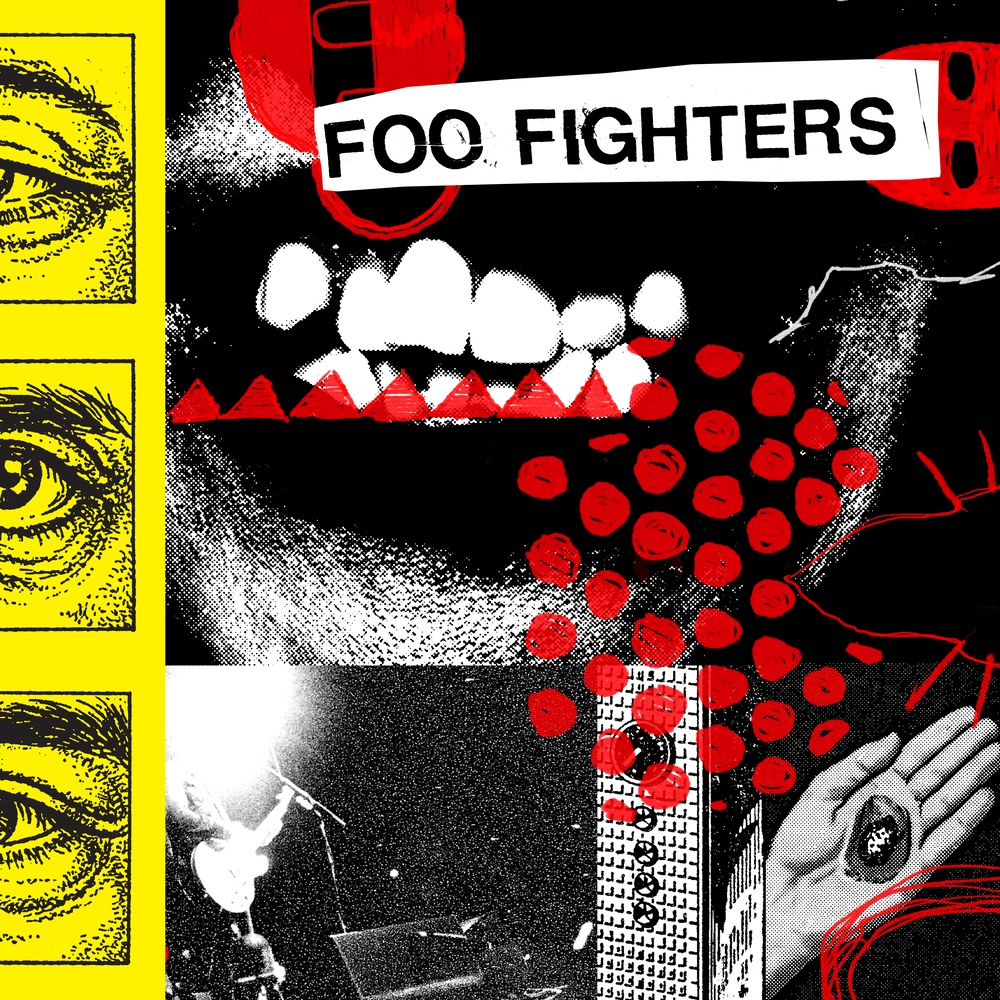

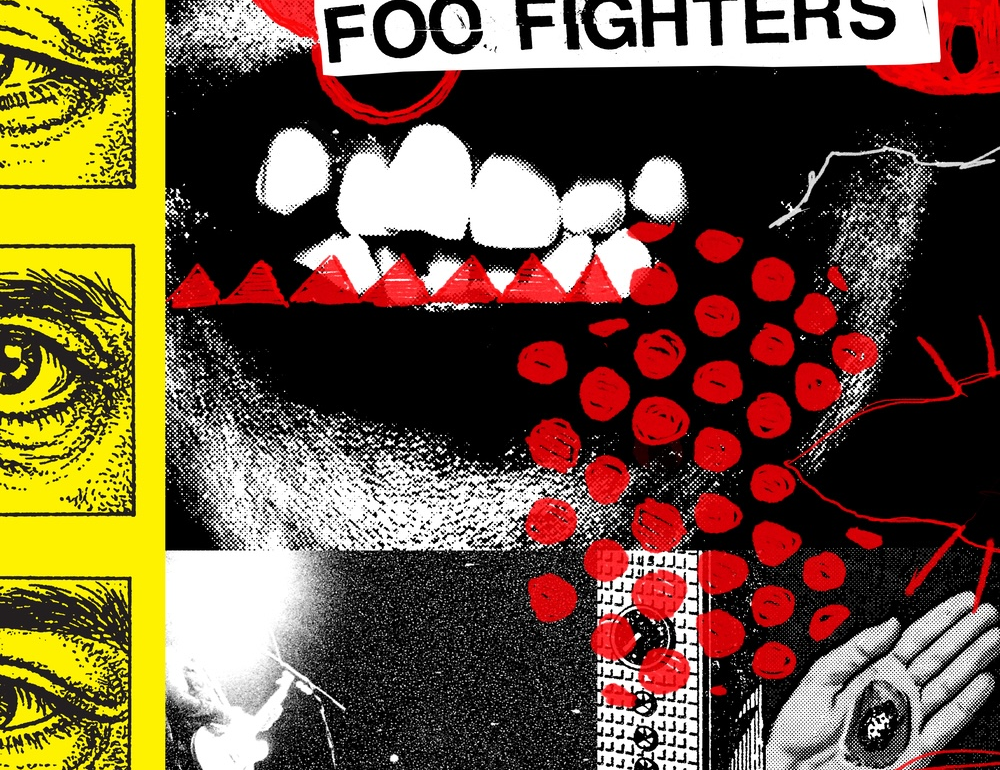
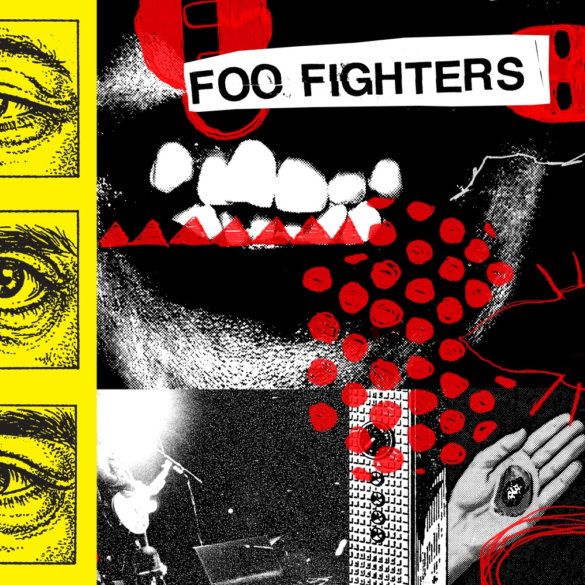
Your Favorite Toy arrives at a strange moment for Foo Fighters. After But Here We Are, an album shaped by grief and by the impossible absence of Taylor Hawkins, the band had two obvious paths: keep digging into the wound or try to recover the muscle, noise, and a certain idea of electric celebration. They chose the latter, but not as total escape. This album sounds like a band that wants to move, scream, and sweat again in a room, even if underneath that energy there is still a tension that never fully resolves.
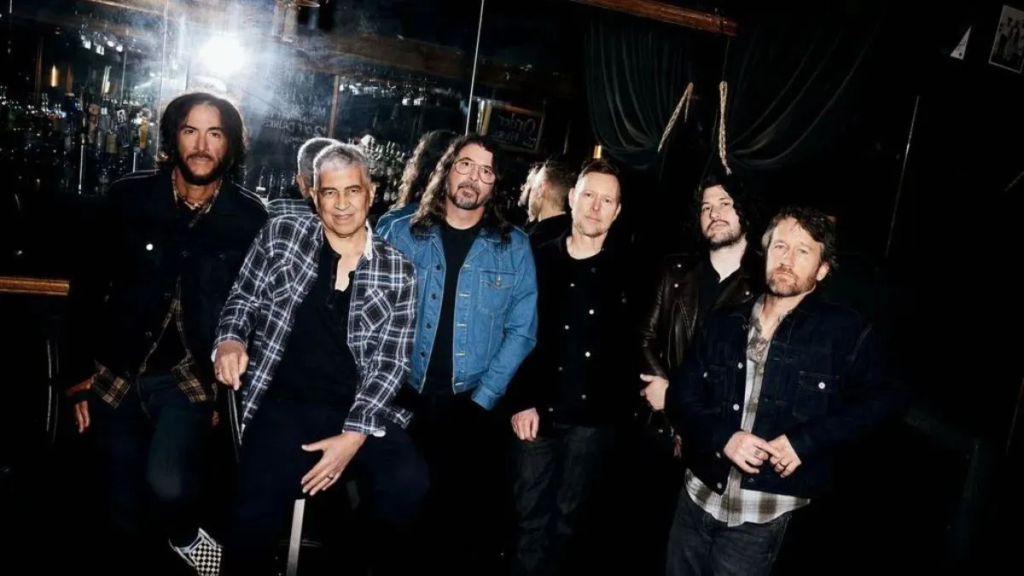
The context matters. This is Foo Fighters’ twelfth album, the first with Ilan Rubin on drums, and also one of the shortest and most direct records in their recent catalog: ten songs in just over half an hour. That concision works in its favor. There is not much fat, no major detours, none of the excess length that has weakened their focus in the past. But a short album is not automatically a fully forceful one from beginning to end.
The opening with “Caught In The Echo” is one of the album’s biggest strengths. It has urgency, guitars up front, and an almost punk energy that brings Foo Fighters back to a more physical space. This is not the band trying to sound modern; it is the band trying to sound alive. Rubin’s drumming comes in with authority, and although Hawkins’ shadow is inevitably still there, his presence does not feel like a timid replacement. He brings drive and precision.
“Of All People” may be the album’s most effective cut because it does not give itself time to fail. It is brief, sharp, and straight to the point. It has that quality of emotional release that Foo Fighters sometimes dilute when they try to turn everything into an anthem. There is no solemnity here: there is concentrated rage. That is why it works so well.
The problem appears when the album tries to alternate fury with introspection without always finding the balance. “Window” aims for a more grunge-like, slower, darker zone, and although the idea is interesting, the song never fully sustains its tension. It feels more like a good intention than a truly memorable blow. It is not a bad track, but it is one of the moments where the album lowers its guard.
The title track, “Your Favorite Toy,” is curious because it works better as a statement of energy than as a fully rounded song. It has distorted vocals, an odd hook, and a sense of controlled disorder that makes it stand out, but it also takes time to fully ignite. It is easy to understand why it set the tone for the album: it is not looking for beauty, it is looking for combustion. Still, it is not the emotional center of the record.
“If You Only Knew” is more interesting. There, the Foo Fighters of dynamic shifts appear—the band that can move from roughness to a more open melody without sounding forced. It has something of heavy blues, something of classic rock filtered through the band’s usual machinery, and it is one of the tracks where Grohl seems less determined to scream and more willing to build a song.
“Spit Shine” brings back speed and nerve, although it also reveals one of the album’s limitations: when everything tries to sound urgent, some ideas start to feel more similar than they should. “Unconditional” breaks that line somewhat with a more new wave/post-punk feel, a welcome choice because it introduces color and keeps the record from becoming only a collection of tense guitars. Not everything lands at the same level, but the attempt is appreciated.
“Child Actor” is one of the most conceptually interesting tracks. Its look at fame, validation, and the exhaustion of the public persona gives the album an edge it needed. It is not the most explosive song, but it is one of the tracks that best connects the noise to a concrete idea. “Amen, Caveman,” meanwhile, keeps the album’s raw, almost primitive tone, although it does not reach the same level of personality.
The closing track, “Asking For A Friend,” is one of the strongest moments because it understands something the rest of the album does not always achieve: intensity can also be built, not only exploded. It starts more restrained and grows into a wide, emotional, rough ending without falling into easy grandiosity. As a closer, it works because it leaves the feeling of an open question, not an answer.
Your Favorite Toy is vital, noisy, necessary record for the band, but not necessarily a great one. It has strong moments, welcome energy, and a convincing entrance from Ilan Rubin, but it also lacks truly unforgettable songs. It does not reach the emotional level of But Here We Are, nor the impact of their best works, but it is more focused than several of their recent albums.
It is Foo Fighters trying to recover the body after grief. And that matters. But rage, on its own, is not always enough.